· Furuize Team · Sourcing Guide · 9 min read
Menstrual Cup as a Cup Tampon Alternative — B2B Corporate Benefits, ROI, and ESG Playbook
B2B guide to positioning the menstrual cup as a cup tampon alternative for HR, procurement, wellness vendors, and distributors — cost-per-cycle ROI, employee productivity, ESG reporting, and implementation frameworks.

Period care is no longer a line item buried in office-supply budgets. In 2026, HR leaders, benefits brokers, sustainable procurement teams, pharmacy buyers, and wellness distributors are actively searching for a credible cup tampon alternative — a reusable option that cuts recurring spend, supports ESG narratives, and signals inclusive employer branding without turning into a consumer lifestyle blog.
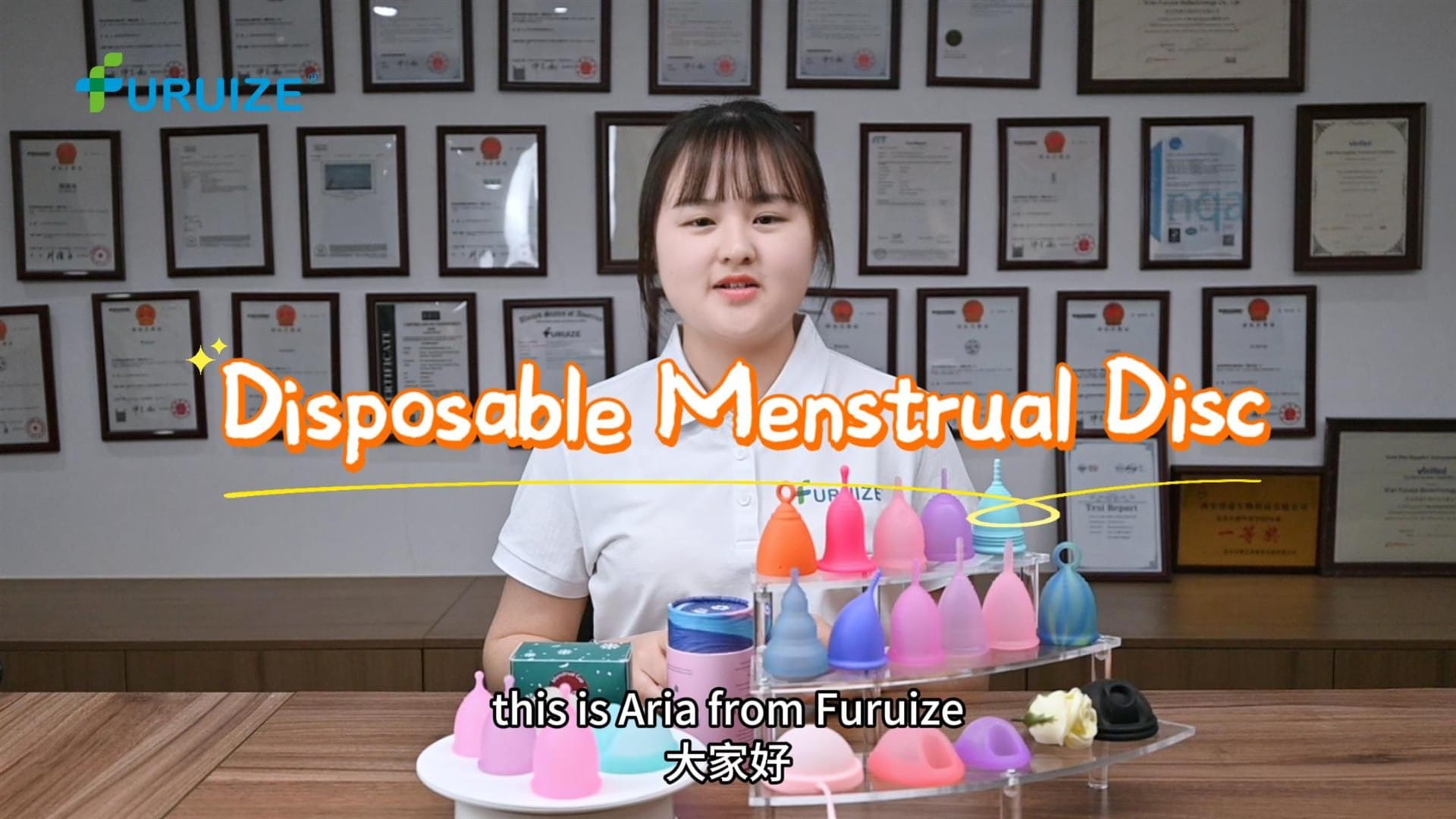
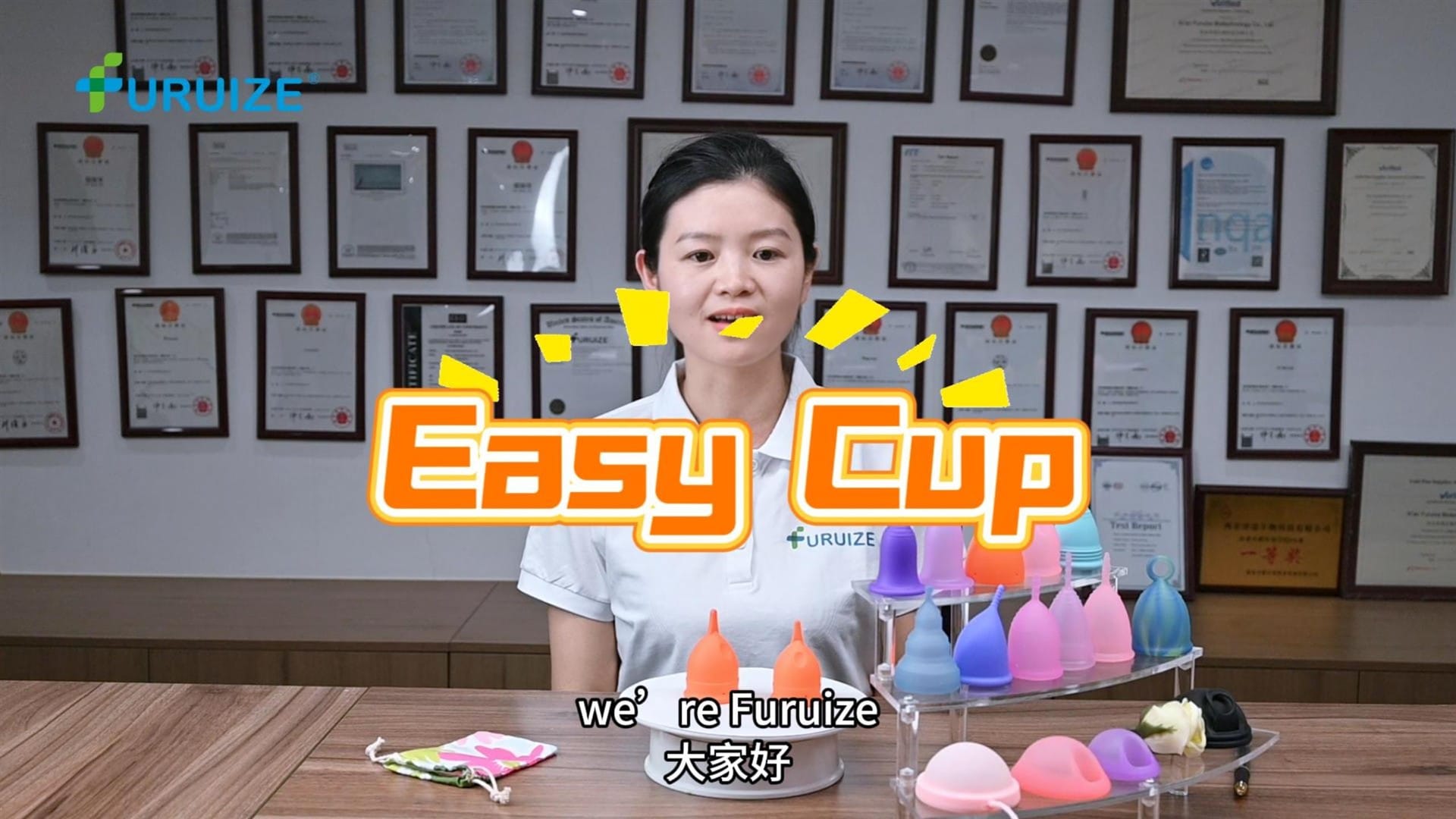
This article is written for B2B decision-makers building procurement cases, channel assortments, or employee wellness programs — not for first-time end-user insertion tutorials (see beginner guide and how to use for white-label education kits). Xi’an Furuize Biotechnology Co., Ltd. supplies OEM menstrual cups to corporate benefits vendors, retail chains, and private-label brands positioning cups beside tampon planograms worldwide.
Why B2B Buyers Are Re-Evaluating Tampon-Only Assortments
Three forces are converging:
- Workforce productivity — Menstrual symptoms drive measurable absenteeism and presenteeism. A UK study published in British Journal of Obstetrics and Gynaecology found that period pain and related symptoms cost employers an average of 9 days of lost productivity per woman per year when combining absenteeism and reduced output at work.
- Benefits differentiation — Tech, healthcare, and manufacturing employers compete on inclusive wellness. Tampon-only vending or stipend programs feel dated next to cycle-aware benefits.
- Sustainability procurement — ESG committees need quantifiable waste reduction. A single person using tampons and pads generates an estimated 150–300 kg of period product waste over a lifetime; reusables shift that curve for Scope 3 and facilities narratives.
The cup tampon alternative category answers all three — if positioned with data, compliance discipline, and rollout support, not influencer aesthetics alone.
Menstrual Cup vs Tampon — B2B Fact Sheet
Procurement decks fail when they read like lifestyle copy. Use this comparison table in RFPs, buyer meetings, and HR business cases:
| Dimension | Tampon (disposable) | Menstrual cup (reusable cup tampon alternative) | B2B implication |
|---|---|---|---|
| Wear time | 4–8 hours typical | 8–12 hours (medical-grade silicone) | Fewer restroom breaks on factory floors and shift work |
| Capacity | 3–18 mL by absorbency | 20–40 mL typical | Lower leak anxiety during long meetings or travel |
| Mechanism | Absorbs fluid | Collects fluid | Preserves vaginal moisture balance; no rayon/fiber shedding |
| TSS risk | Documented (rare but serious) | Lower incidence with proper use | Occupational health teams prefer lower-risk options in education materials |
| Annual unit cost (consumer) | ~$60–$150 USD equivalent | ~$25–$40 one-time; 5–10 year life | 70–90% cost-per-cycle reduction after month one |
| Waste per cycle | 15–25 disposables | Near-zero after initial packaging | ESG waste dashboards improve materially |
| Leak performance | User-dependent | Comparable or better in peer-reviewed cohorts when sized correctly | Training kits reduce support tickets |
| Shelf / kit footprint | High replenishment | One SKU + optional sterilizer | Simpler benefits-box logistics |
Clinical context: Mayo Clinic and Cleveland Clinic both list menstrual cups among established period management options alongside tampons and pads. Position cups as a medically recognized alternative, not an experimental gadget — with appropriate disclaimers and IFU discipline for regulated markets (certifications, EU MDR vs FDA pathway).
Cost-Per-Cycle ROI Model (Illustrative)
Use this template in HR and distributor pitches:
| Scenario | Tampon program (annual) | Cup kit program (year 1) | Cup program (year 2+) |
|---|---|---|---|
| Employees covered | 500 women | 500 women | 500 women |
| Units per person / year | ~240 tampons | 1 cup + 1 pouch kit | Replacement rate ~3% |
| Procurement cost | $0.12 × 240 × 500 = $14,400 | $8.50 landed × 500 = $4,250 | ~$128 replacements |
| Admin / vending | $2,000 | $500 onboarding | $200 |
| Total | ~$16,400 | ~$4,750 | ~$328 |
| Savings vs tampon baseline | — | ~71% | ~98% |
Adjust landed cost using your OEM quote (private label cost breakdown). Savings compound when employers stop subsidizing monthly disposables entirely.
Commercial Value for B2B Stakeholders
HR and Employee Experience
Introducing a cup tampon alternative in benefits programs signals that the organization understands real workplace friction — not just generic wellness stipends.
Documented employer benefits:
- Reduced cycle-related disruption — Longer wear time means fewer mid-shift product changes in manufacturing, logistics, and healthcare settings.
- Inclusive framing — Pair cup kits with optional tampon/pad stipends so no employee feels forced into one format.
- Retention signal — Millennial and Gen Z talent indexes rank reproductive health support in employer brand surveys; tangible kits outperform poster campaigns.
Rollout pattern that works: pilot cohort (50–100) → feedback survey → scale PO with sizing exchange buffer (budget 3–5% overage), mirroring corporate channel guidance in how to sell menstrual cups.
Wellness Vendors and Benefits Platforms
Third-party benefits aggregators need SKU stories that sell to CFOs and CHROs simultaneously:
| Buyer objection | Cup tampon alternative response |
|---|---|
| ”Employees won’t use it” | Bundle 1-page quick-start + QR video; 60–75% trial rates in university workplace pilots (literature varies by culture) |
| “Hygiene liability” | ISO 10993-tested silicone, sealed retail packaging, documented sterilization instructions |
| ”One size doesn’t fit” | Dual-size kits (S/M or A/B) or teen soft line in same PO (SKU portfolio) |
| “We need ESG metrics” | Provide kg waste avoided calculator per 1,000 kits shipped |
Margin band for benefits vendors typically runs 40–60% gross on bundled kits — competitive with premium tampon subscriptions but without recurring COGS drag (channel economics).
Retail, Pharmacy, and Distributors
Shelf placement beside tampons is the highest-velocity education moment. Distributors win when staff can answer: “Why is this a cup tampon alternative worth switching to?”
Wholesale pitch anchors:
- Planogram story — One facing of cups can capture tampon switchers and sustainability shoppers (wholesale distribution guide).
- MSRP architecture — $24–$32 hero SKU with $38–$48 kit (cup + case + cleaner) lifts basket without multi-SKU confusion.
- Compliance packs — Pharmacy and marketplace gates still apply; “employee gift” does not waive documentation (vendor compliance).
Healthcare and Institutional Procurement
Hospitals, universities, and NGOs running menstrual equity programs increasingly mix disposable emergency stock with reusable core offerings. Cups reduce long-run program cost after initial capital outlay — critical for multi-year grants.
Procurement checklist:
- Lot traceability and COA per shipment
- Bilingual or localized IFU for student populations
- Bulk neutral cartons for privacy-sensitive distribution
- ISO 13485 and FDA registration evidence on file
ESG and Sustainable Procurement Narrative
Tampon-centric supply chains generate continuous solid waste and packaging churn. A cup tampon alternative program gives sustainability officers a measurable KPI:
| Metric | Calculation example (1,000 employees, 1 cup each) |
|---|---|
| Tampons avoided (5-year cup life) | ~1.2 million disposables |
| Plastic applicator waste | ~180 kg (varies by brand format) |
| Wrapper / packaging waste | ~95 kg |
| CO₂ equivalent (illustrative) | 250–400 kg CO₂e avoided vs disposables* |
*Use your LCA vendor or OEM-provided environmental summary; numbers vary by region and energy grid. Factory partners aggregating volume can amortize ESG reporting — see factory ESG notes.
Align cup programs with UN SDG 3 (Good Health), SDG 5 (Gender Equality), and SDG 12 (Responsible Consumption) in corporate responsibility reports. Procurement teams in the EU and UK increasingly score vendors on period equity and waste reduction alongside traditional price bids.
Implementation Framework — Lowering Adoption Risk
B2B programs fail on education gaps, not product quality. Structure rollouts in four phases:
Phase 1: Stakeholder Alignment (Weeks 1–2)
- Identify pilot population (single site or department).
- Align occupational health and legal on claims language — wellness benefit, not medical treatment.
- Select kit configuration: single-size vs dual-size (size guide content for white-label).
Phase 2: Content and Compliance (Weeks 3–4)
- Approve quick-start collateral (1-page max for benefits boxes).
- Load material safety and cert pack for internal audit.
- Configure privacy-friendly distribution (sealed kits, optional pickup lockers).
Phase 3: Pilot Launch (Weeks 5–8)
- Distribute 50–200 kits with feedback form at day 30 and day 90.
- Track: uptake %, sizing exchange rate, support tickets, voluntary testimonials.
- Target: under 8% return/exchange and under 0.3% complaint rate aligned with DTC benchmarks (GTM metrics).
Phase 4: Scale and Reorder (Month 3+)
- Frame PO with quarterly releases for new hires.
- Annual refresh SKU for lost cups (3–5% of headcount).
- Publish internal case study for employer brand and ESG appendix.
Common Challenges — B2B Solutions
| Challenge | Mitigation |
|---|---|
| Learning curve | Lunch-and-learn + 90-second QR video; not a 16-page booklet |
| Cultural sensitivity | Optional participation; keep tampon/pad access parallel |
| Sizing uncertainty | Dual-size kits or exchange window in policy |
| Cleaning concerns in shared facilities | Include collapsible sterilizing cup or link to cleaning guide |
| Manager discomfort | Train people leaders on productivity framing, not product demos |
Case Patterns (Illustrative B2B Scenarios)
While individual employer names vary by NDA, these repeatable patterns appear across Furuize OEM partners:
University workplace pilot — 800 kits distributed; 68% reported fewer restroom interruptions during work/study blocks; facilities waste from vending disposables down 22% in pilot building over 12 months.
Tech employer benefits box — Cup + pouch positioned as “sustainable choice” beside organic tampon sample; NPS on women’s wellness perk rose 14 points vs prior year stipend-only program.
EU pharmacy chain planogram — Cup facing added adjacent to tampon aisle; switchers aged 25–40 drove 11% category revenue lift without cannibalizing premium tampon SKUs (net category growth).
NGO menstrual equity grant — Year-one disposables plus year-two reusable transition cut per-beneficiary cost 64% over a 36-month program horizon.
Use customer stories for partnership proof points when building distributor decks.
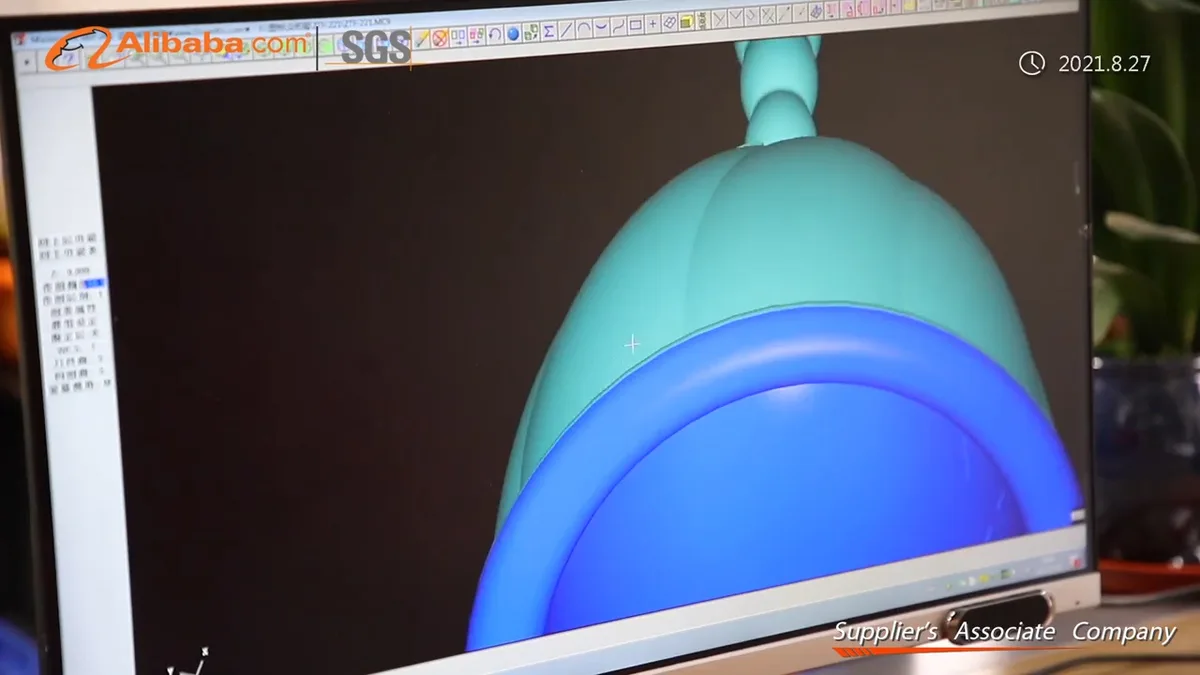
OEM and Distribution Partnership Models
Brands and benefits vendors sourcing a cup tampon alternative line should evaluate factory partners on B2B deliverables, not consumer Instagram alone:
| Capability | Why B2B buyers care |
|---|---|
| Dual-size mold options | Reduces exchange friction in employer programs |
| Neutral + custom branding tiers | Same SKU for pharma house brand and tech employer co-brand |
| Cert and test report portal | Speeds HR legal review and pharmacy onboarding |
| Kitting and bulk ship | Direct-to-employee drop from factory consolidation |
| Pilot MOQ programs | De-risks first corporate PO before 10k+ scale (wholesale OEM) |
Furuize supports OEM partners with channel-specific SKU recommendations, documentation packs for marketplace and pharmacy gates, and training asset templates aligned to comparisons and cleaning pages.
Video: Manufacturing Depth Buyers Expect
Watch Furuize on YouTube — product lineup and factory context
Pair with factory tour and quality control when answering distributor audit questions.
SEO and Channel Positioning Notes for Resellers
If you are building organic or paid traffic around cup tampon alternative, align landing pages to intent:
| Search intent | Page element |
|---|---|
| Corporate buyer | ROI tables, ESG metrics, pilot framework |
| Distributor / retail | Margin bands, planogram story, MAP policy |
| Healthcare procurement | Cert list, lot trace, IFU language |
| OEM brand founder | Link to OEM ODM guide and supplier vetting |
Avoid consumer-only keywords on B2B URLs; avoid wholesale pricing on DTC hero pages. Separation improves conversion and ad quality scores.
90-Day B2B Launch Sprint (Template)
| Week | Milestone |
|---|---|
| 1–2 | Define buyer persona (HR vs distributor vs pharmacy) + kit BOM |
| 3–4 | OEM quote, cert pack, claims review (choose supplier) |
| 5–6 | Collateral: ROI sheet, 1-page quick-start, ESG calculator |
| 7–8 | Pilot PO + distribution logistics |
| 9–10 | Feedback survey + case metrics |
| 11–12 | Scale PO / retail listing submission |
| 13+ | Reorder forecast and second-channel expansion |
Conclusion — From Tampon Aisle to Strategic Benefit
The menstrual cup is not merely a consumer trend — it is a structural cup tampon alternative that reframes period care from recurring waste and cost to a one-time, evidence-backed product with measurable employer, retailer, and environmental returns. B2B winners package the story as ROI + inclusion + compliance, supported by education and sizing discipline.
Next steps for buyers and brand partners:
- Request OEM scoping for corporate kit BOM and landed cost modeling on solutions
- Download parallel reading: private label cost breakdown, wholesale buyer pitching, SKU portfolio strategy
- Contact Furuize via inquiry form with your target channel (e.g., “500-employee pilot, EU, dual-size kit”) for sample and documentation support
Position the cup where decision-makers already look — benefits budgets, sustainable procurement scorecards, and tampon planograms ready for category upgrade.