· Furuize Team · Sourcing Guide · 8 min read
Cup + Disc SKU Portfolio Strategy — How OEM Brands Build a Winning Product Ladder
Decision matrix for launching cup-only, disc-only, or dual-format lines. MOQ impact, mold sequencing, margin bands, and channel fit for pharmacy, DTC, and wholesale.

Launching a menstrual care brand with a single “hero cup” was viable in 2015; in 2026, procurement teams, marketplace algorithms, and pharmacy category managers expect a coherent product ladder — entry SKU, capacity tier, teen soft line, and increasingly a disc extension for shoppers comparing formats on comparison guides. Building that ladder is a capital allocation problem: every mold, colorway, and packaging rev consumes cash and regulatory attention.
This article helps B2B brand owners and distributors design cup + disc portfolios before PO — not consumer sizing advice (see size guide for end-user fit). Xi’an Furuize Biotechnology Co., Ltd. uses these frameworks with OEM clients to sequence mold investments against channel proof, avoiding six-SKU launches that stall in warehouse dust while a two-SKU core sells through.
Portfolio Strategy vs. Catalog Shopping
Catalog shopping picks pretty molds. Portfolio strategy answers:
- Which format wins your channel first — cup, disc, or dual?
- How many size tiers justify separate steel before year-one revenue proves demand?
- Where do accessories (sterilizing cup, second disc, pouch) belong in margin math?
- Which SKUs share technical files to minimize notified-body supplements?
A disciplined ladder increases reorder predictability — the metric factories use to reserve Q4 capacity for serious partners.
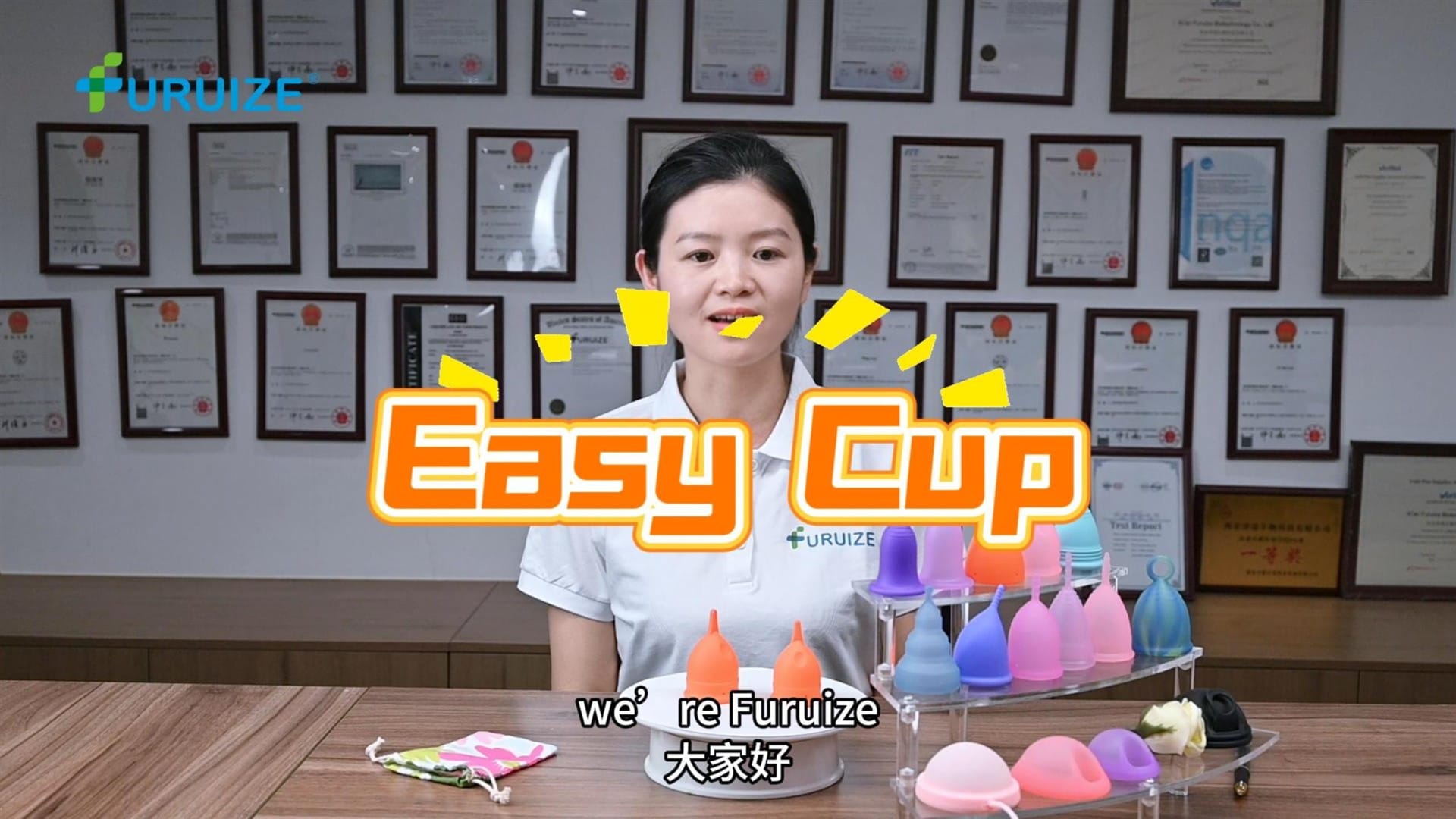
Video: SKU Ladder Workshop
Watch Furuize on YouTube — factory and product lineup context
Pair with our menstrual cups and menstrual discs catalog pages when evaluating base geometries.
The Three Launch Archetypes
| Archetype | Typical buyer | Year-1 SKU count | Mold capex profile | Best when |
|---|---|---|---|---|
| Cup-first DTC | Influencer brand, Amazon seller | 2–3 cups (S/M + optional teen) | Low–medium | Audience knows cups; disc education cost high |
| Disc-first wellness | Sex-positive DTC, subscription | 1–2 discs (standard + high-cap) | Medium | Auto-dump narrative is core hook |
| Dual-format pharmacy | EU/UK pharmacy house brand | Cup pair + disc pair + kit | Medium–high | Evidence bundle amortized across four SKUs |
| Wholesale neutral | Importer, distributor | 2 cups + 1 disc neutral carton | Low per SKU | Relabel model; slow packaging commits |
Most failures come from choosing dual-format + six colors + three sizes before sell-through data exists. Furuize recommends prove one format pair, then expand.
Format Decision Matrix (Channel × Physics)
Score each cell 1–5 for your target market (5 = strong fit). Sum rows to bias cup vs. disc emphasis.
| Channel | Cup fit | Disc fit | Notes |
|---|---|---|---|
| Amazon US | 4 | 4 | Both work; compliance docs equal weight |
| EU pharmacy | 4 | 5 | Disc growth strong; MDR files for both |
| Middle East wholesale | 5 | 3 | Cup awareness higher; disc education needed |
| Teen DTC | 5 | 3 | Soft small cups; discs later |
| Sport / outdoor DTC | 4 | 4 | Depends on emptying UX positioning |
| Employer benefits box | 3 | 4 | Compact kit narratives favor disc + pouch |
Interpretation: Within 3 points — dual-format pilot. Gap ≥4 — lead single format six months.
Consumer mechanics differ by suction vs. pubic-bone tuck; do not assume one SKU story sells both. Your PDP and IFU must diverge — link education to how to use and beginner guide white-label packs.
Size Ladder Design (Cups)
Dimensional tiers should map to measurable mold IDs, not vague “large.”
| Tier | Typical rim OD band | Role in ladder | Mold strategy |
|---|---|---|---|
| Teen / Mini | 38–40 mm | Entry, low cervix outreach | Often softer LSR mix |
| Size A / S | 40–42 mm | Core revenue SKU | First steel investment |
| Size B / M | 43–45 mm | Heavy flow / multiparous | Second mold or family insert |
| High-capacity variant | Same OD, taller body | Peak day positioning | Same diameter tool + height change |
| Low-cervix short body | Adjusted height | Niche retention driver | Strong Amazon review moat |
Rule: Launch two diameters maximum in year one unless pharmacy contract mandates three. Add high-capacity as marketing variant before third diameter.
Disc ladder emphasizes bowl depth and capacity, not diameter alone:
| Disc tier | Capacity target | Positioning |
|---|---|---|
| Standard | 32–38 ml | Daily wear |
| High-capacity | 45–55 ml | Overnight / heavy |
| Soft rim | Same bowl, lower durometer | Sensitive users |
| Auto-dump notch | Functional variant | Separate IFU diagram required |
SKU Count Economics — Illustrative Factory-Direct Bands
Indicative EXW unit bands for planning models only — not a quote. Confirm with wholesale inquiry.
| SKU type | Typical EXW range (USD) | Retail MSRP anchor | Gross margin headroom (DTC) |
|---|---|---|---|
| Catalog cup single | 0.65 – 1.10 | 22 – 32 | High if CAC controlled |
| Custom color cup | 0.75 – 1.25 | 28 – 38 | Medium |
| Catalog disc | 0.70 – 1.15 | 24 – 34 | High |
| Cup + disc kit | 1.40 – 2.20 combined | 45 – 65 | Bundle AOV boost |
| Sterilizing accessory | 0.40 – 0.90 | 12 – 18 | Attachment margin |
Portfolio insight: Kits lift AOV but double compliance surfaces (two IFUs, two UDI-DIs in EU). Wholesale importers often prefer single-SKU cartons until velocity proves attach rate.
Mold Investment Sequencing Chart
| Quarter | Investment | Regulatory action | Commercial goal |
|---|---|---|---|
| Q1 | Cup Size A + Size B molds | ISO 13485 supplier qual; SGS baseline | Amazon soft launch |
| Q2 | Packaging rev A; optional teen soft | FDA listing alignment | Reviews ≥4.3 stable |
| Q3 | Disc standard mold | CE TF supplement | Disc PDP live |
| Q4 | High-cap disc OR cup short-body | PMCF data plan | Pharmacy pitch deck |
Delay Q4 steel until Q1–Q2 return rate and complaint codes are stable — see vetting guide in our supplier audit article.
Channel-Specific Portfolio Playbooks
DTC / Amazon-native
- Hero: 2-cup ladder or 1 disc + 1 cup trial kit
- Creative: Separate ad sets per format — do not mash physics
- Compliance folder: SGS + establishment registration per SKU
- Avoid: Six colors; Amazon variation families punish stale child ASINs
EU pharmacy
- Hero: Disc + cup with German/French IFU sets
- Evidence: CE technical file index per CE certification architecture
- Accessory: Cotton pouch + boil instructions mandatory in buyer minds
- Avoid: US-only labeling on EU cartons
Wholesale importer
- Hero: Neutral 2 cup sizes + 1 disc
- Sticker packs for local language — see packaging
- Documentation: COA + SGS bundle per lot in container
- Upgrade path: Co-brand hero SKU after 2 containers moved
Accessory and Service SKUs
Accessories are portfolio glue — not afterthoughts.
| Accessory | Attach rate driver | Factory notes |
|---|---|---|
| Sterilizing cup | First-time anxiety | Microwave-safe PP/steel options |
| Second disc/cup pouch | Travel positioning | Breathable cotton |
| Cup wash (if brand extends line) | Separate regulatory class — cosmetic vs device | Do not commingle device IFU |
| Retail QR to education hub | Return reduction | Host cleaning + size guide |
Furuize OEM kits bundle accessories under one BOM index for DMR clarity.
Regulatory Load by Portfolio Depth
Each SKU adds DMR index rows, not just warehouse bins.
| Portfolio depth | EU MDR burden | US burden | Operational owner |
|---|---|---|---|
| 1 cup | Base TF | General controls dossier | Brand + factory |
| 2 cups + 1 disc | Supplements + possible NB notification | Multiple listings | Brand regulatory lead |
| 6 SKUs + 3 colors | High change-control churn | Marketplace doc fatigue | Dedicated QA hire |
Strategy: Share material family biocompatibility once; variant by mold ID + label in indexes. Pigment changes trigger reassessment — document in change matrix before marketing “limited edition rose gold.”
Competitive Differentiation Without Mold Explosion
| Tactic | Consumer perception | Mold impact |
|---|---|---|
| Firm vs soft same geometry | ”Sport” vs “Sensitive” | Zero new steel — LSR formulation |
| Stem length variants | Custom fit story | Minor tool modification |
| Color limited runs | Aesthetic refresh | Pigment qual only if approved |
| Printed pouch art | Brand refresh | Zero product steel |
| Disc auto-dump notch | Functional premium | New disc family — plan early |
Differentiate on education and sizing quiz before ninth mold — private label programs often over-steel under-market.
KPI Dashboard for Portfolio Reviews (Quarterly)
| KPI | Green | Amber | Red |
|---|---|---|---|
| Return rate | Under 8% | 8–15% | Over 15% |
| Complaint / 10k units | Under 5 | 5–12 | Over 12 |
| Size-related tickets | Under 40% of complaints | 40–60% | Over 60% — fix size guide |
| Disc vs cup mix | Within forecast ±10% | ±25% | Reforecast inventory |
| Gross margin after ads | Over 55% DTC | 40–55% | Under 40% — SKU rationalize |
Factory partners can receive anonymized KPI summaries to tune golden samples — alignment beats blame when rim drift appears.
Inventory and MOQ Alignment by SKU Tier
Portfolio mistakes appear in cash flow when MOQ per mold collides with forecast per SKU. Use this planning table before signing multi-SKU POs:
| SKU | Forecast units (Y1) | Suggested first PO | Reorder trigger |
|---|---|---|---|
| Cup Size A | 8,000 – 15,000 | 500+ | 6 weeks cover |
| Cup Size B | 5,000 – 10,000 | 500+ | 8 weeks cover |
| Disc standard | 4,000 – 8,000 | 500+ | After cup reviews stable |
| Disc high-cap | 2,000 – 5,000 | 500+ | After disc standard sell-through |
| Accessory kit | 3,000 – 6,000 | 500+ | Bundle attach over 15% |
Factory-direct partners such as Furuize can reserve molding slots when forecasts are shared quarterly — reducing the temptation to over-order slow colors to hit a single MOQ breakpoint. Neutral wholesale SKUs should keep one cup + one disc in container one before expanding outer carton variations; importers pay storage on unsold label languages, not factories.
International naming discipline also prevents portfolio drift: align internal mold IDs (e.g., FRZ-CUP-A-v3) with marketplace variation names so compliance uploads stay tied to the correct steel even when marketing renames “Size A” to “Bloom Cup” in year two.
Case Pattern — Dual-Format Sequencing (Composite)
A US DTC brand launched Size A/B cups in March, hit 4.4★ with under 9% returns after sizing quiz, added standard disc in September with shared SGS material backbone, and deferred high-capacity disc steel until January pharmacy meetings confirmed disc sell-through over 18% of units. Total year-one molds: three. A competitor launched six molds in April, flooded variations, and paused ads in November under cash pressure.
Pattern: sequence evidence and cash together.
Working With Furuize on Portfolio Planning
Engagement steps:
- Submit channel forecast and format hypothesis (solutions intake).
- Receive recommended ladder + mold quarterization.
- Pilot FAI on two SKUs max.
- Lock packaging only after dimensional sign-off (mold development).
- Scale PO when KPI dashboard green two consecutive months.
Board-Level Questions Before Mold PO
Ask these in every quarterly review:
- Does each live SKU have positive unit margin after ads and compliance cost?
- Are returns dominated by size education (fix content) or defect (fix factory)?
- Will adding a disc mold change regulatory spend more than gross profit in year one?
- Can we articulate why this SKU exists in one sentence a pharmacy buyer understands?
Affirmative answers justify steel; otherwise pause and consolidate.
Conclusion
SKU portfolio strategy is where brand vision meets mold invoices. Cups and discs are complementary revenue lines, not interchangeable SKUs with different shapes. Build a ladder your channel can explain to buyers in one sentence — then expand steel when data green-lights, not when a tradeshow competitor announces seven sizes.
Use this framework in board planning; pair with our regulatory pathway and marketplace compliance articles next in the series for a complete B2B launch stack.