· Furuize Team · Sourcing Guide · 9 min read
How to Sell Menstrual Cups — Multi-Channel GTM for Private Label Brands
Channel-by-channel go-to-market playbook for OEM menstrual cup and disc brands — DTC, Amazon, pharmacy, wholesale, and corporate benefits. Covers margin bands, compliance gates, and first-year velocity targets.
You can manufacture a flawless silicone cup and still fail commercially if you treat “sales” as a single lever. Menstrual care is a multi-channel category in 2026: DTC brands fight rising CAC, Amazon aggregators fight document holds, pharmacy buyers fight MDR evidence gaps, and importers fight margin compression in price-transparent wholesale markets. Selling cups profitably means matching SKU design, regulatory depth, and unit economics to the channel before you lock mold steel and packaging dies.
This article is for B2B brand owners, distributors, and procurement leads building go-to-market plans — not consumer education on insertion technique (see how to use and beginner guide for white-label kits). Xi’an Furuize Biotechnology Co., Ltd. uses these channel frameworks with OEM partners to avoid launching six SKUs into a channel that only rewards two.
Sales Strategy Starts Before the Factory PO
Go-to-market (GTM) is not a post-production marketing task. Channel choice drives:
- Mold count — Pharmacy dual-format lines need different evidence bundles than a single Amazon hero SKU (SKU portfolio strategy).
- Compliance spend — EU MDR technical files and US marketplace chemical packs are not optional add-ons (regulatory pathway, vendor gates).
- Packaging format — Blister + IFU for DE pharmacy vs. compact carton for FBA affects tooling and landed cost (packaging OEM).
- Reorder cadence — DTC subscription brands reorder monthly; wholesale importers reorder quarterly — factories allocate capacity accordingly.
Pick a primary channel for year one and a secondary proof channel for month nine. Brands that try to be everywhere in month three dilute support budgets and stall compliance uploads.
Video: Channel Context From the Factory Floor
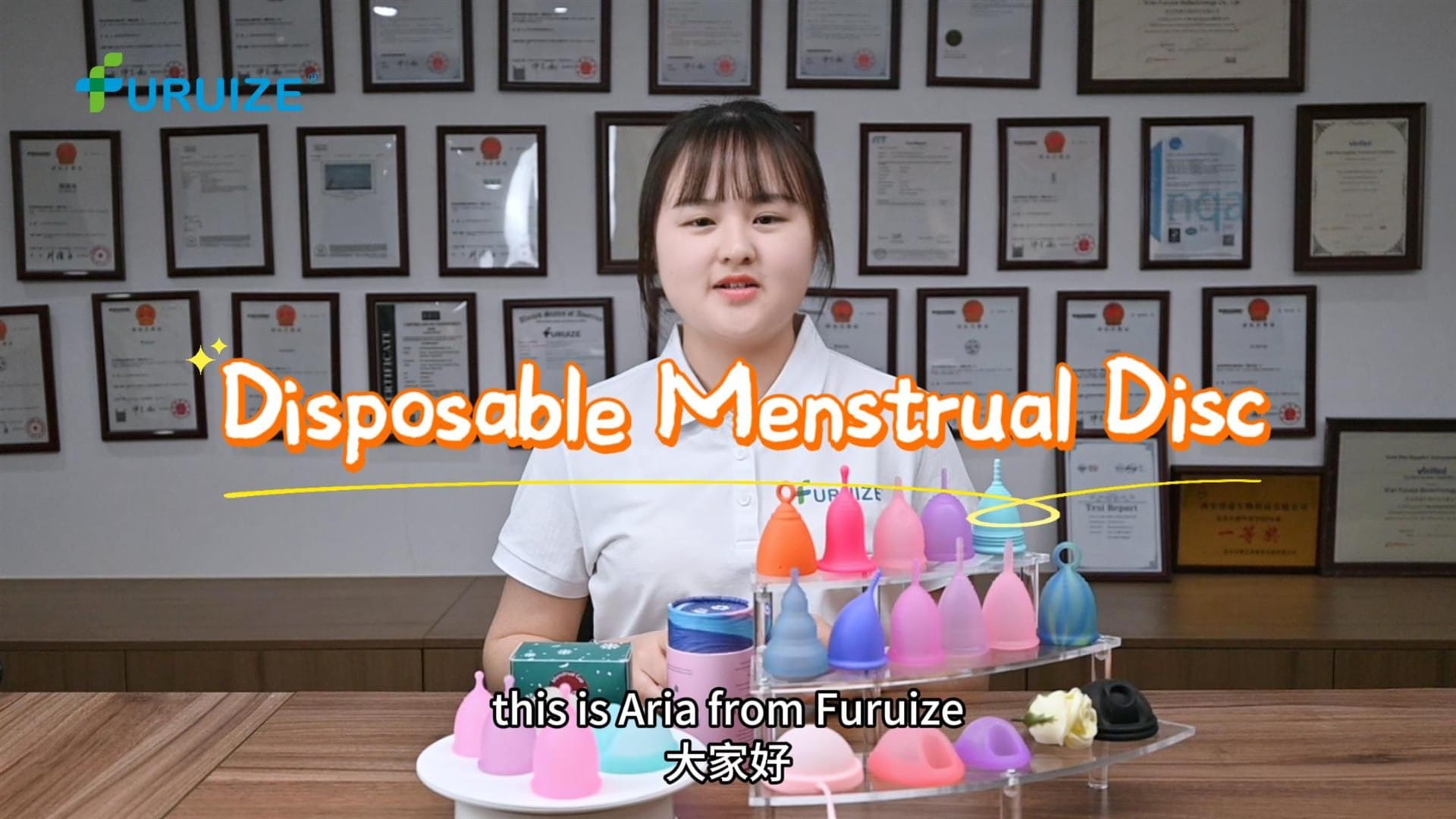
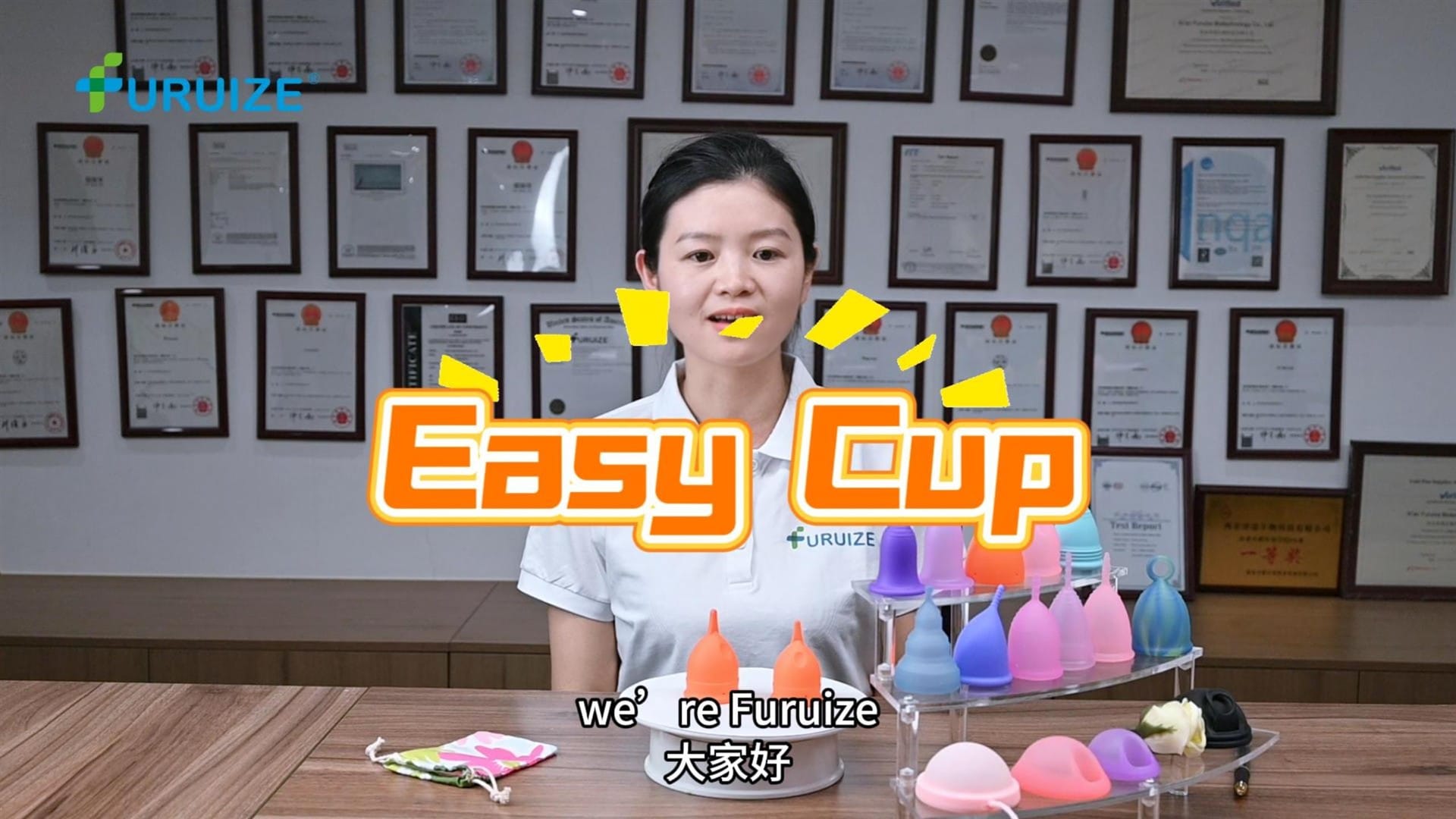
Watch Furuize on YouTube — manufacturing and product lineup
Pair with factory tour and production process pages when explaining supply reliability to retail buyers.
The Six Revenue Channels (B2B View)
| Channel | Buyer type | Typical year-1 volume | Gross margin band | Compliance intensity |
|---|---|---|---|---|
| DTC (Shopify) | Brand-owned | 3k–25k units | 55–72% | Medium (claims, privacy, returns) |
| Amazon FBA | Brand / aggregator | 5k–80k units | 35–55% | High (docs, chemical, listing policy) |
| Regional wholesale | Importer, distributor | 20k–200k units | 18–35% | Medium (COA per lot, relabel rules) |
| Pharmacy / drug retail | Chain house brand | 10k–100k units | 25–40% | Very high (MDR, IFU, audits) |
| Mass retail / grocery | National buyer | 50k–500k units | 22–38% | High (slotting, liability, QA visits) |
| Corporate / benefits | HR benefits vendor | 2k–30k kits | 40–60% | Medium (kit compliance, bulk ship) |
Margin bands assume landed product cost from a qualified OEM, not trading-company mystery silicone. Use private label cost breakdown to model your COGS before trusting headline MSRP.
Channel 1: Direct-to-Consumer (Owned Store)
DTC remains the highest margin path and the highest CAC risk. Successful cup DTC brands in 2026 win on education depth, retention, and community — not discount codes alone.
What to sell
- Core cup pair (S/M or A/B) plus optional teen soft line
- Sterilizing container or pouch kit for AOV lift
- Subscription refill on second cup or disc after six months
Operational requirements
- PDP content aligned to size guide and cleaning — white-label or co-branded
- Clear medical-adjacent disclaimers; avoid unapproved therapeutic claims
- Returns policy that handles hygiene seals without destroying margin
- Email flows for cycle-based reorder nudges (disc upsell)
Unit economics snapshot (illustrative)
| Line item | Lean DTC | Notes |
|---|---|---|
| Landed COGS (2-SKU core) | $4.50–$7.00 / unit | OEM MOQ 500+ |
| MSRP | $24–$32 | Bundle kits $38–$48 |
| Blended CAC | $18–$35 | Influencer + paid social |
| Contribution after ship | 25–40% | Improves with subscription |
Failure modes: Launching before IFU and sizing content exist → review bombs and chargebacks. Fix with factory-supplied education packs from OEM solutions.
Channel 2: Amazon FBA (US / EU / UK)
Amazon is often the fastest velocity channel and the strictest document gate. Treat listing approval as a product launch milestone equal to mold FAI.
Pre-launch checklist (abbreviated)
- FDA establishment alignment for US (see FDA certification)
- SGS / chemical evidence indexed per material lot
- Category-appropriate keywords without prohibited medical claims
- FBA label compliance and lot traceability on COA
- Full document pack per marketplace vendor gates
SKU strategy on Amazon
- One hero ASIN (best seller) + one niche ASIN (teen / low cervix) beats five color variants
- A+ content linking to brand site education
- Vine or seeding program with documented sample lots
Velocity targets
| Stage | Monthly units (US) | Action |
|---|---|---|
| Launch | 800–2,000 | PPC + content, monitor return reasons |
| Scale | 3,000–10,000 | Reserve Q4 factory capacity early |
| Mature | 10,000+ | Second mold only after 4.3★ stable |
Amazon suspensions from document gaps cost more than months of ad spend. Vet factories before inventory commit (supplier vetting).
Channel 3: Regional Wholesale and Distribution
Wholesale is how most geographic scale happens — Middle East, Latin America, Southeast Asia, and Eastern Europe buyers often prefer neutral cartons and local relabel.
Wholesale sales motion
- Publish FOB/EXW tier pricing with MOQ ladder (ordering from China context).
- Provide lot-linked COA and certificate index (ISO, CE, SGS).
- Offer neutral master carton + sticker label option via private label.
- Assign exclusive vs. non-exclusive territory in contract.
- Support launch marketing with co-op fund or POS PDFs — not free inventory dumps.
Importer expectations
| Expectation | Factory/OEM response |
|---|---|
| Price transparency | Published tier breaks at 500 / 3k / 10k / 30k |
| Stable dimensions | Mold ID locked; change control notice |
| Fast COA per lot | QA portal or email within 48h of ship |
| Complaint CAPA | Written SLA in quality agreement |
Deep wholesale mechanics — buyer decks, slotting, MAP — are covered in our wholesale distribution guide.
Channel 4: Pharmacy and Drug-Chain Retail
Pharmacy is slower to list, stickier to keep. EU and UK buyers increasingly stock cups and discs beside tampons, but vendor portals demand MDR-ready technical files.
What pharmacy buyers score
- Notified-body pathway credibility (EU MDR article)
- IFU in local language, revision controlled
- Post-market surveillance plan and complaint routing
- Blister or shelf-ready packaging with EAN integrity
- On-site or remote audit rights
Sales timeline (typical EU pharmacy line)
Month 0–2:  RFQ + sample evaluation + cert verification
Month 2–4:  Vendor portal registration + doc upload
Month 4–6:  Line review committee + listing decision
Month 6–9:  First PO + DC intake QA
Month 9–12: Reorder based on sell-through data
Brands without regulatory depth should not lead pharmacy — prove DTC or Amazon velocity first, then upgrade files.
Channel 5: Mass Retail and Grocery
National retail (Target-tier, Tesco-tier) combines pharmacy rigor with slotting fees and promotional calendars. Buyers expect multi-year revenue plans, liability riders, and sometimes exclusive pack sizes.
Retail-specific SKU tactics
- Exclusive color or capacity for one retailer (protects MAP)
- Higher ring price with visible value kit (cup + case + cleaner)
- Pallet-optimized case packs — design at PO, not after first FBA ship
Negotiation reality
| Fee type | Range (illustrative US) | Mitigation |
|---|---|---|
| Slotting / placement | $5k–$50k per SKU | Amortize across 50k+ unit commit |
| Promo markdown co-op | 5–15% of wholesale | Factory volume rebate pass-through |
| Shrink / returns allowance | 2–8% | Tight hygiene seal QC at quality control |
Use customer stories and sell-through data from DTC/Amazon as proof when retail buyers ask for “brand heat.”
Channel 6: Corporate Wellness and Benefits Boxes
Employer benefits vendors bundle period care into wellness stipends. Cups fit sustainability and cost-per-cycle narratives for HR buyers.
B2B kit composition
- Single-size or dual-size kit in branded tin
- Printed quick-start card (1-page, not full IFU booklet)
- Bulk ship to employer or direct-to-employee drop
Compliance note: Kits sold as employee benefits still need material safety evidence in many jurisdictions — do not assume “gift” exempts documentation.
Contract structure
- Annual frame PO with quarterly release schedules
- Fixed unit price with CPI collar on silicone raw material
- Replacement SKU for employee sizing exchanges (budget 3–5% overage)
Choosing Your Year-One Channel Mix
Use this decision flow:
START: What is your regulatory budget (USD)?
  |
  +-- Under $15k → Lead DTC or single-market Amazon
  |
  +-- $15k–$60k → DTC + Amazon OR wholesale neutral export
  |
  +-- Over $60k → Add pharmacy or multi-market EU/US parallel
        |
        v
Do you own brand marketing talent?
  |
  +-- No → Prefer wholesale partner with local marketing
  |
  +-- Yes → DTC-first, Amazon month 4–6
Furuize recommends one hero channel to $500k run-rate, then layer channel two — not five simultaneous launches.
Cross-Channel Pricing Discipline (MAP)
Channel conflict destroys wholesale relationships when DTC flash sales undercut importers.
| Rule | Implementation |
|---|---|
| Publish MAP | 15–20% below MSRP floor for resellers |
| Exclusive packs | Retail-only SKU or color |
| Promo calendar | 30-day notice to distributors |
| Amazon parity | Brand-owned store matches MAP, not importer price |
Document MAP in distributor agreements before first container ships.
Metrics That Prove “Sellable” to Factory and Investors
Factories prioritize partners who hit predictable reorder intervals. Track:
| Metric | Healthy range (year 1) | Why it matters |
|---|---|---|
| Sell-through (retail) | Over 65% in 90 days | Proves second PO |
| Return rate (DTC) | Under 8% | Signals fit/education gap |
| Repeat purchase | 12–22% (disc/cup #2) | LTV for CAC payback |
| Complaint rate | Under 0.3% of units | QA and material stability |
| Doc rejection rate (Amazon) | Zero after launch | Compliance ROI |
Tie complaint spikes to lot IDs and escalate via CAPA — see quality control and testing lab expectations.
How Furuize Supports Channel Launches
OEM partners typically engage us for:
- Channel-specific SKU recommendations before mold PO (cups, discs)
- Certificate and test report packs for Amazon and pharmacy portals
- Neutral wholesale cartons and custom branding tiers
- Pilot MOQ programs for DTC-first brands scaling to wholesale OEM
- Cross-links to insights and comparisons for your sales team training
Request a channel scoping call via contact with target gates (e.g., “Amazon US + UAE distributor”).
90-Day GTM Sprint (Template)
| Week | Milestone |
|---|---|
| 1–2 | Lock channel priority + SKU count (choose supplier) |
| 3–4 | Mold / packaging PO + compliance doc index |
| 5–8 | Sample approval + PDP / listing copy |
| 9–10 | Document upload (marketplace / buyer portal) |
| 11–12 | First sellable inventory available to ship |
| 13+ | PPC / buyer outreach + reorder forecast |
Adjust for pharmacy (add 4–6 months) or retail slotting (add 6–9 months).
Localization and Claims by Market
Channel strategy fails when English PDP copy ships unchanged to DE pharmacy or GCC wholesale. Budget localization as sales infrastructure, not translation trivia.
| Market | Copy priority | Claims guardrail |
|---|---|---|
| US DTC / Amazon | Inclusive sizing, leak confidence | No unapproved disease claims |
| EU DE / FR pharmacy | IFU-first, disposal symbols | MDR-aligned intended use only |
| UK retail | Sustainability + cost-per-cycle | UKCA / CE transition clarity |
| GCC wholesale | Neutral carton, Arabic sticker option | Importer-owned RA |
| LATAM distributor | Spanish IFU, heat/humidity storage | COA per lot in portal |
Factory partners should supply master claims matrix — approved vs prohibited statements per channel — so your performance marketing agency does not invent medical promises. Furuize aligns consumer education packs with cleaning and beginner guide so DTC and retail demos stay consistent.
Seasonal Inventory and Factory Capacity
Menstrual care is less seasonal than toys, but Q4 gifting, January wellness, and back-to-school teen campaigns still spike orders. Brands that sell through multiple channels must publish a rolling 6-month forecast to OEM partners:
| Month | DTC index | Amazon index | Wholesale index |
|---|---|---|---|
| Jan–Feb | 110 | 95 | 80 |
| Mar–Apr | 90 | 100 | 95 |
| May–Jun | 95 | 105 | 100 |
| Jul–Aug | 85 | 90 | 110 |
| Sep–Oct | 100 | 115 | 105 |
| Nov–Dec | 130 | 140 | 90 |
Indices are illustrative — calibrate to your data. Missing Q4 reservation slots is a sales failure that looks like a factory delay. Discuss capacity on solutions during onboarding.
Conclusion
Selling menstrual cups is a channel architecture problem disguised as a marketing problem. DTC rewards education and retention; Amazon rewards document discipline; wholesale rewards price stability and lot traceability; pharmacy rewards regulatory depth. Pick the channel that matches your capital and compliance stack, prove velocity, then expand — with SKUs and factories chosen for reorder predictability, not catalog vanity.
Continue the series with supplier selection, cost modeling, and wholesale buyer pitching, or engage Furuize for OEM scoping on solutions.