
Tooling & Engineering
Menstrual Cup & Disc
Mold Development Services
High-Precision Mold Manufacturing • OEM/ODM Services • Private Label Supported
Rapid Prototyping • Low MOQ • 13+ Years Experience
From Concept to Cavity
Mold Design & Engineering Process
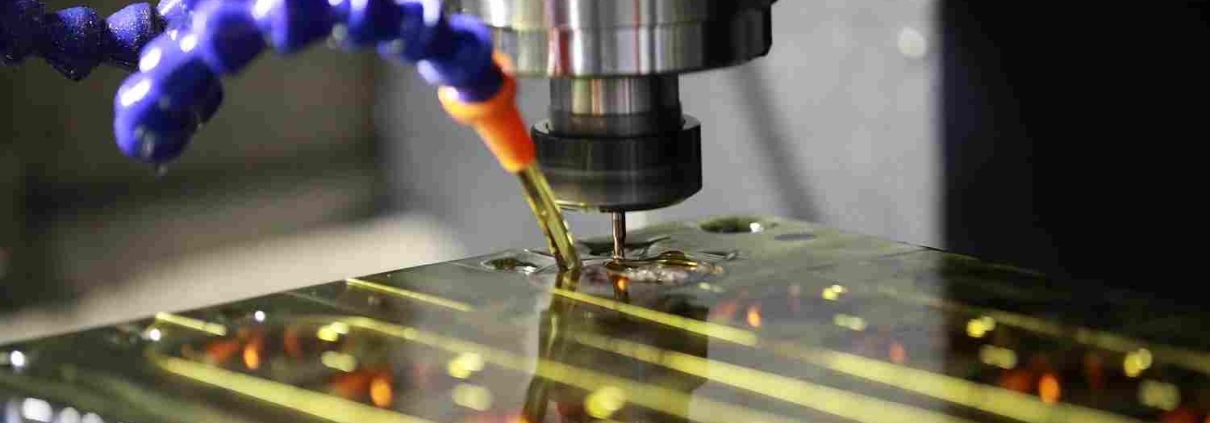
LSR mold engineering from DFM through T1/T2 validation — bell cups, stem variants, and disc geometries tooled in-house. Cavity layouts scale from pilot aluminum to multi-cavity production steel with documented FAI and archived drawings.
- • DFM, mold layout, and flow balancing for LSR
- • Collapsible cores for rim undercuts; EDM bell finishing
- • Catalog mold modification vs. new steel options
- • Prototype tooling: 15–25 days
- • Production steel: 30–45 days after approved DFM
Tolerance Framework
Precision Control & Technical Specs
Dimensional tolerances
Rim outer diameter ±0.15 mm, wall thickness ±0.10 mm, total cup height ±0.20 mm, internal volume ±3 ml, disc bowl depth ±0.12 mm.
Mold hardware specifications
S136 or H13 hardened to HRC 48–52, cavity surface finish Ra 0.02–0.04 μm on bell interior, parting-line flatness ≤0.01 mm, expected tool life 500,000+ shots.
Equipment calibration
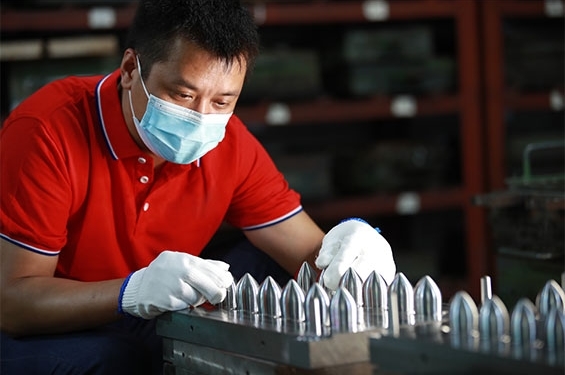
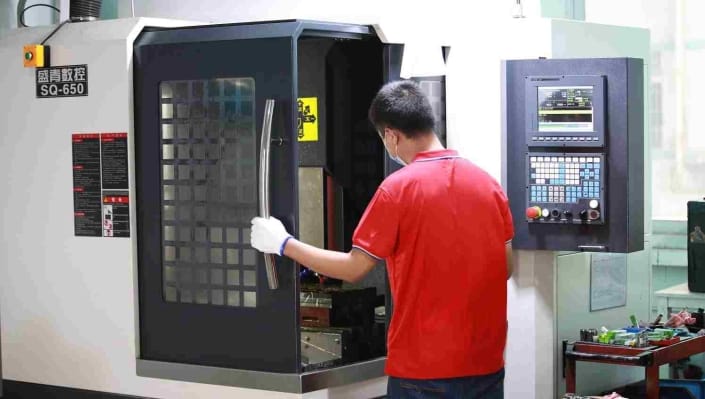
CNC machining centers probed before each mold block setup; EDM electrodes inspected for wear after every 40 hours of spark erosion.
First article inspection
FAI reports document every critical dimension with measured values, gauge IDs, and inspector signatures — updated whenever mold undergoes refurbishment or engineering change.
Silicone Compatibility
Material Matching & Testing
Shrinkage & compensation
LSR volumetric shrinkage 2.0–3.5% compensated during T1 trials and embedded into cavity steel — re-validated when color masterbatch or shore hardness changes.
Flow & venting optimization
Higher-viscosity compounds require wider gates and vent channels at cup apex; low-viscosity grades need tighter flash-control land lengths at parting lines.
Surface interaction testing
Mold release agents validated for biocompatibility — bell surfaces checked for transfer marks, flow lines, and finish consistency across 50 consecutive shots.
Post-mold product validation
Trial parts undergo tensile testing on stem junctions, compression set after boiling cycles, and dye-leak bench tests — batch records cross-reference tooling and silicone lot.
Investment Planning
Development Timeline & Cost
Development timelines
DFM review: 5–7 days. Aluminum prototype mold: 12–18 days. Production steel (single cavity): 28–38 days. Multi-cavity (4-cavity): 35–45 days. T1/T2 trial and FAI: 10–15 days.
Cost components
Engineering and DFM labor, steel and heat treatment, CNC/EDM/polishing hours, hot-runner manifold (if specified), trial shots, metrology, and FAI documentation.
Prototype vs. production
Aluminum prototype molds cost a fraction of production steel — 500–2,000 usable shots for crowdfunding, fit studies, and investor demonstrations.
Amortization & payment
Mold fees amortized against bulk orders — partial or full tooling credits at volume thresholds. Payment: 40% at design freeze, 40% at steel completion, 20% at FAI approval.
Lifecycle Management
OEM Mold Support & Maintenance
Preventive maintenance
Scheduled maintenance every 100,000 shots or annually — parting-line integrity, ejector pin lubrication, vent channel cleaning, and cavity re-polishing with logged before-and-after photos.
Shot count monitoring
Cumulative shot counts tracked per mold serial number — maintenance recommendations triggered before flash increase or defect rates affect outbound QC pass rate.
Engineering change & expansion
Logo updates, rim refinements, and size variants via localized EDM rework or insert changes — cavity additions or duplicate molds when demand outgrows single-cavity output.
Storage & transfer
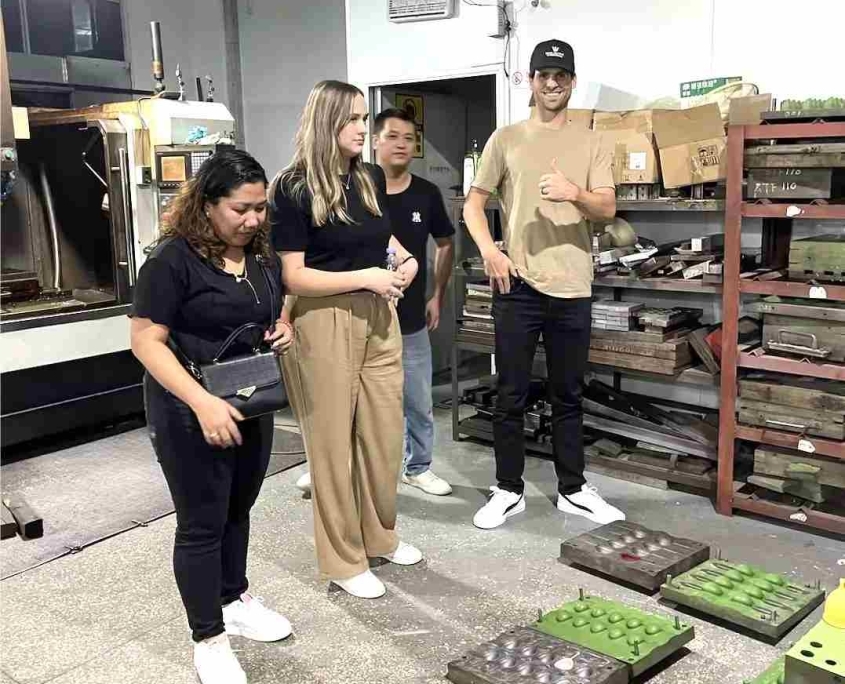
Climate-controlled toolroom storage with rust-inhibitor application — ownership remains with your brand; supervised mold transfer packing for relocation or secondary molder engagement.
Dedicated tooling contact
Tooling specialist handles maintenance scheduling, engineering change requests, and spare-part orders — 24-hour response for maintenance, 48-hour for engineering change quotations.
Menstrual Cup Mold Development FAQ
How long does menstrual cup mold development take?
Prototype tooling: 15–25 days. Production multi-cavity steel: 30–45 days after approved DFM and T1 samples. Disc molds with thin rims may add 1–2 weeks for EDM finishing.
Who owns the mold steel after payment?
Ownership terms are defined in your tooling agreement — many clients own cavities outright; some programs amortize mold cost over unit price. Clarify before PO via supplier selection checklist.
Can you modify an existing catalog mold instead of new steel?
Yes — logo cavities, wall thickness, and stem variants can often be engineered on shared molds, lowering upfront investment. Full new geometry: see SKU portfolio strategy.
How many SKUs should I tool in year one?
Most brands launch 2–4 cup/disc SKUs before expanding. Our cup & disc capabilities page outlines standard size ladders and capacity planning.
Related OEM Services & Resources
Manufacturer Services
Factory & Sourcing Resources
Start Your Custom Menstrual Cup Mold Project
Contact our team today for OEM/ODM mold solutions