
Fit Framework
OEM Size Guide for Private Label Brands
Cup & Disc Sizing Matrix
Diameter & Capacity Specs • Multi-SKU Tiers • Custom Mold Sizing
From Furuize Menstrual Cup Manufacturer — for brand owners & distributors
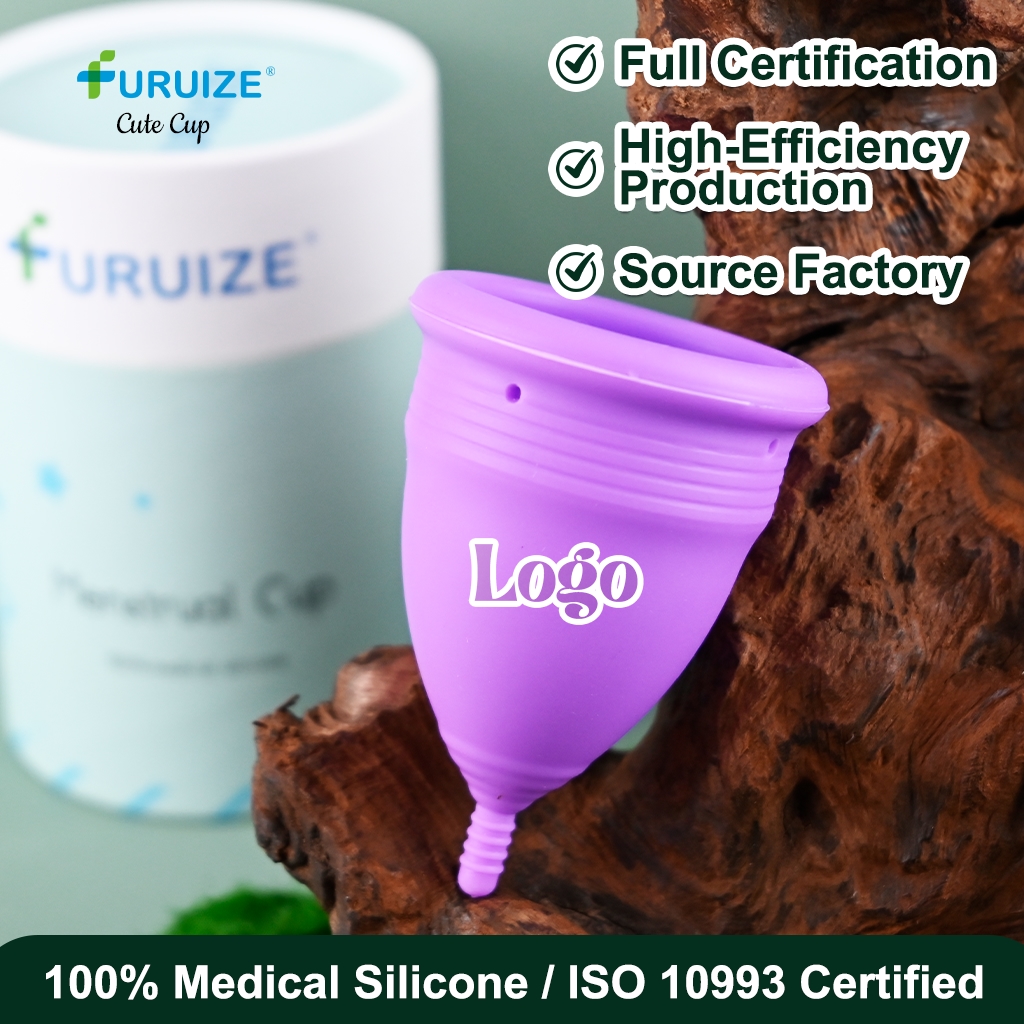
Dimensional Logic
Size System Explanation
Menstrual product sizing encodes three engineering variables: rim diameter (cup) or bowl width (disc), fluid capacity in milliliters, and wall thickness affecting fold profile. At Xi'an Furuize Biotechnology Co., Ltd., OEM size lines are defined in CMM-verified specification sheets — not marketing names alone.
- • Cups: bell diameter and height to cervix clearance (38–47 mm rim OD bands)
- • Discs: bowl depth, rim flexibility, capacity tiers (32–55 ml)
- • S/M/L or 1/2 naming tied to diameter bands per brand
- • Teen/mini — reduced diameter, softer Shore A compound
- • High-capacity suffix — +5–10 ml without full size jump
- • Auto-dump lip geometry — functional variant, not diameter tier
Body Mapping
Anatomy-Based Size Selection
The most reliable sizing signal is anatomical fit — not age alone or a friend's recommendation. Insertion technique on how-to-use and beginner guide; this section answers which dimensional tier to attempt first.
Cervix height & cup height
Low cervix: shorter cups (45–50 mm body). High cervix: longer bodies (55–62 mm). Finger-depth self-check during menstruation maps to Furuize OEM height tiers.
Canal diameter & rim
Cup too wide creates bladder pressure; too narrow leaks. Discs with excessive bowl width may fold against pubic bone uncomfortably.
Age, parity & tone
Context, not rules — teen lines target forgiving fold profiles; postpartum shifts are real for some but not universal.
Disc-specific anatomy
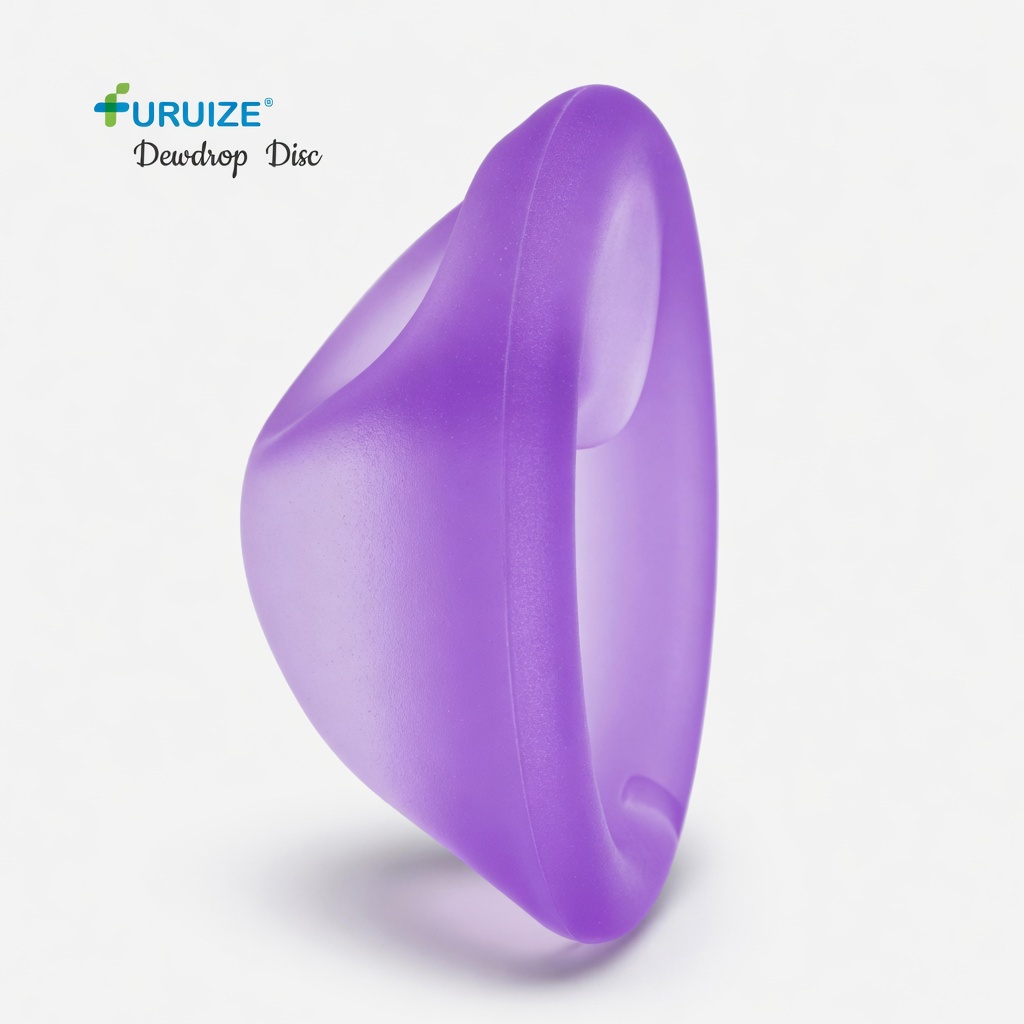
Fit hinges on rim behind pubic bone and bowl in posterior fornix — separate capacity size from rim style to prevent technique-mismatch returns.
Daily Demands
Flow Level & Lifestyle Considerations
Capacity needs refine anatomy-based size choice — they rarely override it. Smart sizing pairs dimensional fit with realistic milliliter targets across light, moderate, and heavy flow profiles.
Capacity vs. anatomy
A high-capacity cup that does not fit the canal still leaks — pair dimensional fit with realistic ml targets across flow profiles.
Heavy flow & peak days
Larger diameters or high-capacity SKUs (30–40+ ml cups, 45–55 ml discs) — always pair with cervix-height checks.
Athletic lifestyles
Favor secure rim seal and appropriate firmness over raw capacity; some athletes size down slightly for stability.
Long shifts & travel
12-hour nursing shifts favor capacity headroom and reliable finger notches — align stated wear time with verified ml capacity.
Medical context
IUD strings, fibroids, and post-surgical sensitivity may shift preferred diameter or softness — flag clinician prompts in IFU.
Flow Matching
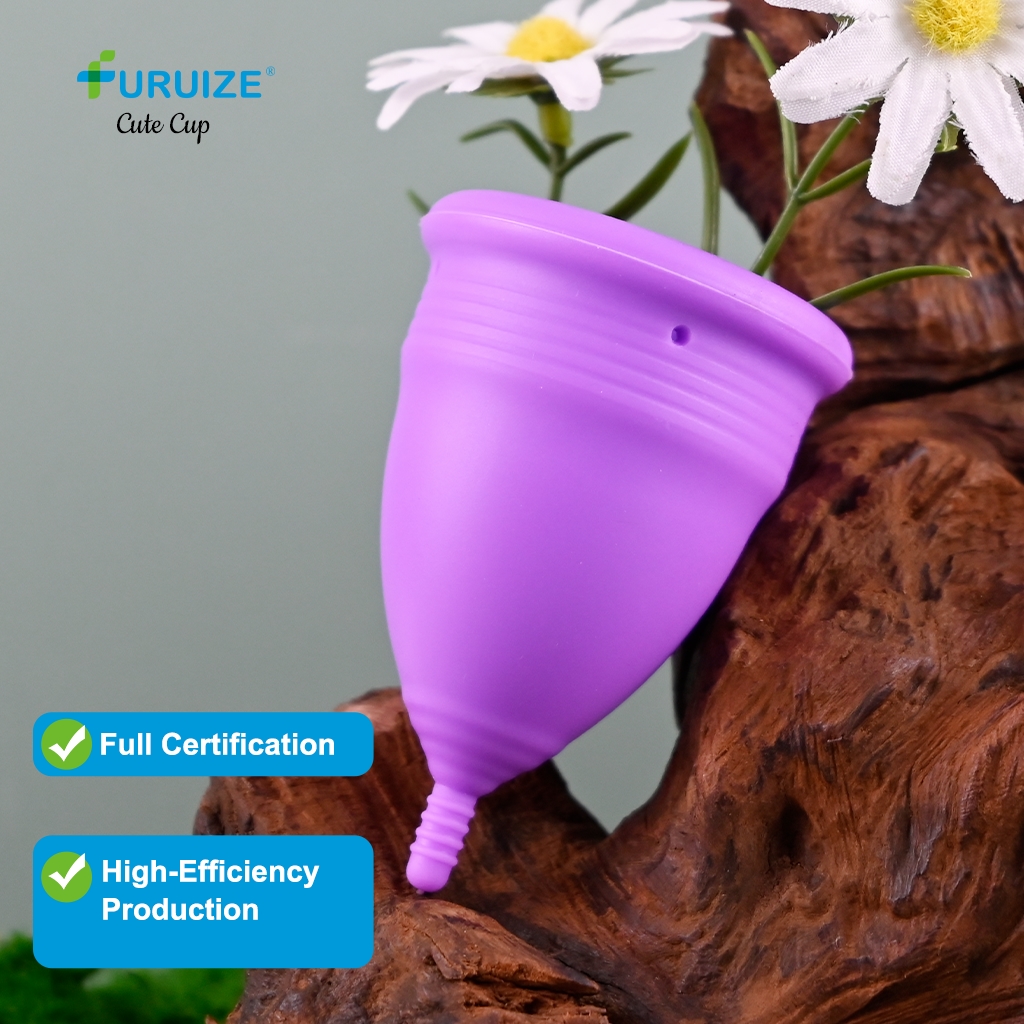
Flow & Lifestyle Matrix
Light to Moderate Flow
Standard small or medium cups (15–25 ml) often suffice with 8–12 hour wear. Standard discs handle light flows; oversized discs add bulk without benefit.
Heavy Flow & Peak Days
Larger diameters or high-capacity SKUs reduce emptying frequency. Pair capacity upgrades with cervix-height checks.
Athletic & High-Movement Lifestyles
Running, yoga inversions, and weightlifting increase intra-abdominal pressure — favor secure rim seal and appropriate firmness.
Office, Travel & Long Shifts
12-hour shifts favor capacity headroom and reliable removal notches sized for gloved hands.
Sleep & Overnight Wear
Overnight users often migrate to larger tiers if daytime size fits but morning leakage appears — signaling capacity limit.
IUD & Medical Context
IUD strings and post-surgical sensitivity may shift preferred diameter or softness without changing flow volume.
Brand Engineering
OEM Custom Size Development
Global brands win with coherent size ladders — teens, standard, high-capacity, regional preferences. Furuize develops custom size families through staged engineering linking user research to mold steel and validated capacity specs.
Discovery & size-range strategy
Review competitor ladders, define diameter bands and firmness matrix, map SKU count to MOQ — align naming with dimensional truth tables.
Prototyping & validation
3D-printed ergonomics, silicone pilot molds, CMM sign-off, gravimetric capacity verification per testing-lab SOP.
Regional customization
EU pharmacy: metric-first IFU charts; US DTC: quiz-driven S/M/L; Asian markets: compact dual-size starter kits in one retail box.
Scaling without mold explosion
Shared steel bases with interchangeable cavity inserts; durometer changes via LSR formulation — tooling strategy on mold development.
Documentation deliverables
Dimensional spec sheets, capacity test summaries, selection flowcharts, IFU draft language, and SKU-level DMR excerpts for CE/FDA dossiers.
OEM Brand Resources
Launch & Manufacturing
Consumer Education (IFU Reference)
Sizing FAQ
How do I choose the right menstrual cup or disc size?
Match cervix height, flow level, and pelvic tone — see anatomy and lifestyle sections on this page. OEM brands map tiers via custom mold development.
Can Furuize build a multi-tier size matrix for my brand?
Yes — shared steel bases and insert cavities scale tiers without full mold families. Typical OEM MOQ from 500 units/SKU on catalog sizes.
Where does sizing content go in IFU and packaging?
Selection flowcharts and anatomy pairing language ship with DMR excerpts — see packaging & IFU OEM and beginner guide.
Build Your Brand's Size Range with Furuize
OEM custom cup and disc sizing from prototype to validated production specifications.