
Market Intelligence
Market Insights for OEM & Wholesale
Buyers
Demand Signals • Channel Shifts • SKU Strategy for Brand Owners
From a Menstrual Cup Manufacturer — Not a Pure Market-Research Site
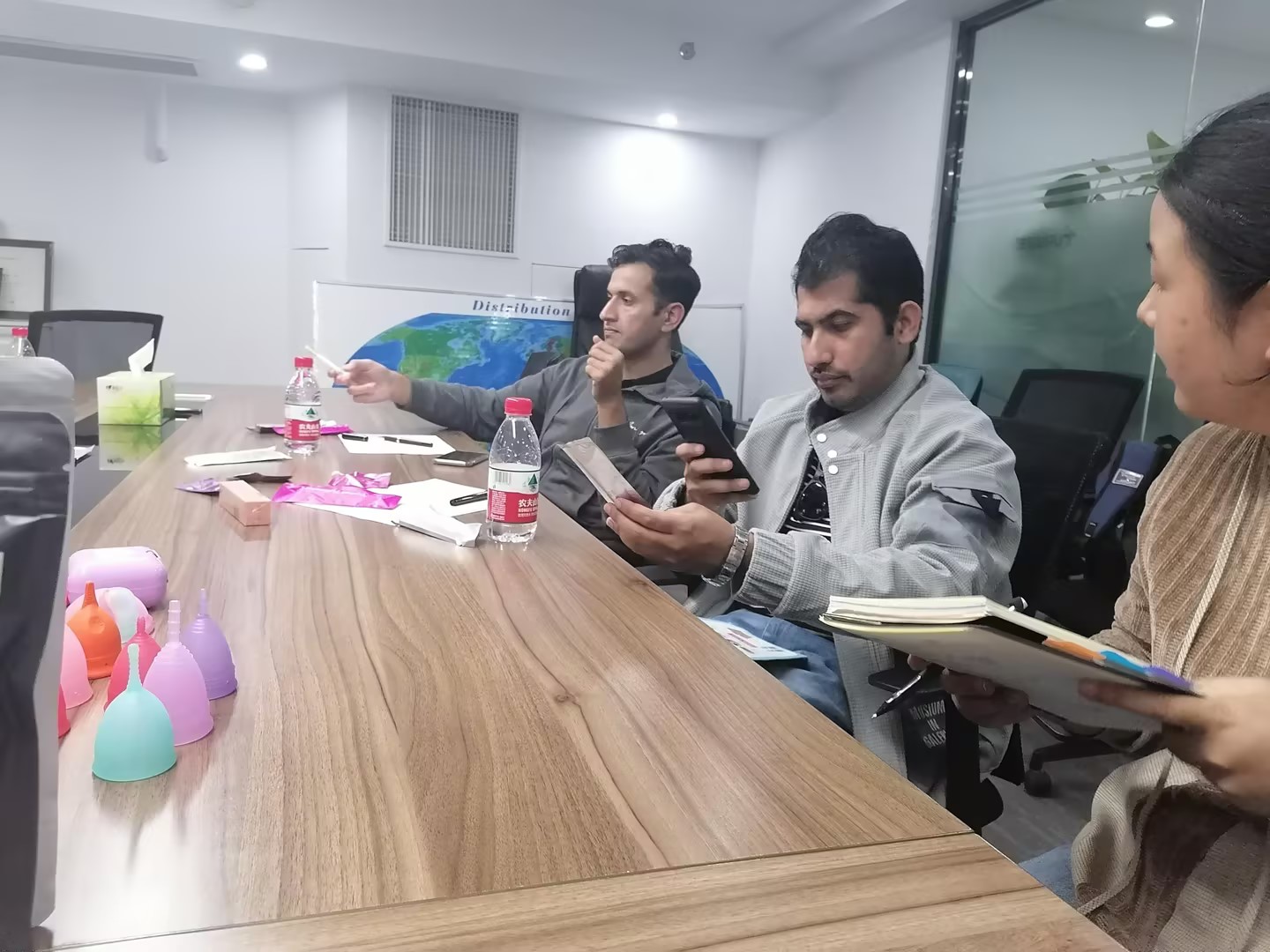
Category Landscape
Global Menstrual Market Overview
The global feminine hygiene market remains anchored in disposables — yet reusable cups and discs are moving into pharmacy planograms and marketplace bestseller lists. As a menstrual cup manufacturer, Furuize shares these signals so brands can choose wholesale or private label OEM SKUs — not as a pure market-research report. Export demand spans North America, Western Europe, Oceania, and Gulf markets via pharmacy, DTC, and distributor channels.
- • North America: DTC velocity, Amazon compliance, disc curiosity rising
- • EU/UK: Pharmacy trust, MDR/UKCA evidence, multilingual IFU
- • Middle East & Africa: Importer-led growth, brand relabel models
- • Cups: mature awareness, differentiation via size ladders
- • Discs: faster narrative growth, auto-dump features
- • Compliance depth on certifications hub
Momentum Signals
Current Industry Growth Trends
Reusable internal protection is growing faster than the overall feminine care average — channel access, format expansion, and B2B private label entry lowered friction for trial. OEM decision-makers should track order recurrence and geographic mix from suppliers, not only syndicated reports.
Disc format acceleration
Disc SKU inquiries outpaced cup-only projects in recent EU and US brand pipelines — manufacturers with both mold libraries capture share.
Pharmacy re-shelving
Chains return with MDR-documented suppliers and teen soft-entry sub-brands — trust transfer disposables cannot replicate with green packaging alone.
Private label & retailer brands
Supermarket own-label adds reusable facings for sustainability KPIs — factory-direct OEM shortens launch cycles versus licensing legacy patents.
Regulation as market filter
EU MDR enforcement and US marketplace chemical documentation weed out undocumented silicone traders — concentrating volume among ISO-certified manufacturers.

Buyer Psychology
Consumer Behavior & Preferences
Consumer behavior in reusables is trust-heavy and education-dependent — purchase intent spikes after peer validation, but retention depends on onboarding quality. Furuize analyzes OEM return and review themes across channels.
Evidence over aesthetics
Pharmacy buyers prioritize CE/FDA language accuracy, sizing guidance, and sterilization instructions over pastel gradients.
Convenience narratives
DTC shoppers respond to auto-dump discs and duo bundles — punish brands when care guides contradict material reality.
Teen & first-period sensitivity
Gen Z entrants want soft compounds, shame-reducing language, TikTok-length tutorials — beginner-guide tone beats instant-replacement hype.
Size literacy gap
Consumers still buy on flow alone, ignoring cervix height — brands embedding size-guide logic in quizzes improve retention.
Price-quality heuristic
Sub-twenty-dollar cups face suspicion; thirty-to-forty-dollar kits signal legitimacy when backed by SGS and ISO certifications.

Buyer Cohorts
Consumer Preference Clusters
Evidence Over Aesthetics (Pharmacy Cohort)
Pharmacy buyers prioritize CE/FDA language accuracy, sizing guidance, and sterilization instructions over pastel gradients.
Convenience Narratives (DTC Cohort)
Online shoppers respond to auto-dump discs, twelve-hour wear claims with footnotes, and duo bundles reducing format regret.
Teen & First-Period Sensitivity
Gen Z entrants want soft compounds, smaller diameters, shame-reducing language, and TikTok-length tutorials.
Size Literacy Gap
Consumers still buy on flow alone, ignoring cervix height — driving returns misclassified as defects.
Price-Quality Heuristic
Sub-twenty-dollar cups face suspicion; thirty-to-forty-dollar kits signal legitimacy if backed by certifications.
Community & Representation
Inclusive sizing narratives, low-cervix advocacy, and disc-first athletes shape preference clusters influencers amplify.
Green Transition
Sustainable & Eco Trends
Sustainability claims moved from fringe virtue to corporate procurement criteria — yet greenwashing enforcement tightened simultaneously. Reusable medical silicone cups and discs occupy a strong life-cycle position when use spans five to ten years.
Lifecycle strengths
Dramatic waste reduction versus monthly disposable stacks; energy payback often within first year; 5–10 year service life amortizes manufacturing energy.
Sustainability pressure points
Early abandonment wastes product — education is environmental infrastructure. Packaging green claims need ink/adhesive/substrate COAs.
Retail & policy tailwinds
EU EPR discussions push FSC cartons and soy inks. Some municipalities subsidize reusable period products in school tenders.
OEM positioning guidance
Lead with verifiable multi-year use and certified materials. Pair eco messaging with onboarding — comparisons TCO math supports credible savings claims.
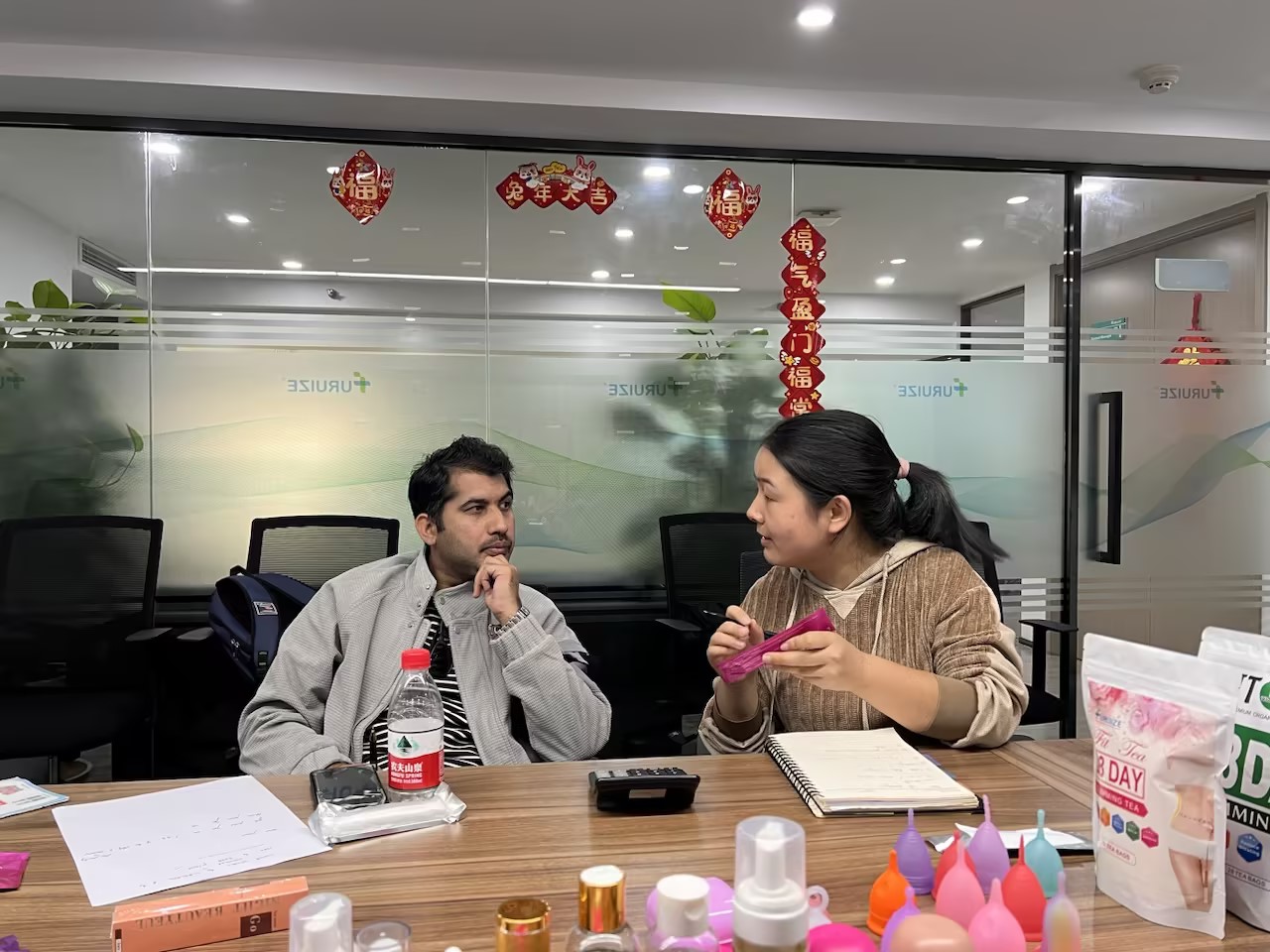
Forward View
Future Market Forecast
Forecasting reusable internal protection requires separating hype cycles from structural drivers — regulation, pharmacy acceptance, OEM private label, and climate policy compound over decades. Furuize manufacturer-forward outlook through 2030, expressed as scenarios.
Base case: steady penetration
Mid-single-digit to low-double-digit annual growth in developed markets; cups remain volume leader; discs capture disproportionate new SKU launches.
Upside: mainstream shelf normalization
Major chains standardizing reusable facings chain-wide could step-change trial rates among 25–45 demographics.
Downside: trust shock
Documented silicone scandal or recession pressure could slow pharmacy resets — compliance-heavy manufacturers gain share after shakeouts.
Innovation vectors
Disc+cup starter kits as subscription first boxes, regional teen outreach, AI-driven sizing quizzes reducing returns.
Strategic implications
Build cup + disc portfolio now; invest in education content as moat; pre-map MDR/FDA evidence — launch via OEM solutions.

OEM Brand Resources
Launch & Manufacturing
Consumer Education (IFU Reference)
Market Insights FAQ
What is driving menstrual cup and disc market growth?
Sustainability mandates, pharmacy channel expansion, and DTC education — growth and consumer sections on this page. OEM manufacturing: factory hub.
Which regions show strongest OEM demand?
EU pharmacy, North America DTC, and Gulf distributor networks lead current partner pipelines — align SKU mix via OEM solutions.
How does sustainability affect OEM product strategy?
FSC packaging, substantiated material claims, and education-heavy onboarding reduce return rates — see sustainable innovation section above.
How do I turn these insights into an OEM brief?
Submit target region, format mix, and compliance tier via inquiry form or browse OEM services hub.
Skip the Report — Source from the Factory
Bulk wholesale, private label OEM, and ISO 13485 documentation. Quote typically within 3 hours.