
Controlled Environment
Medical-Grade Clean Room Environment
Controlled LSR Production
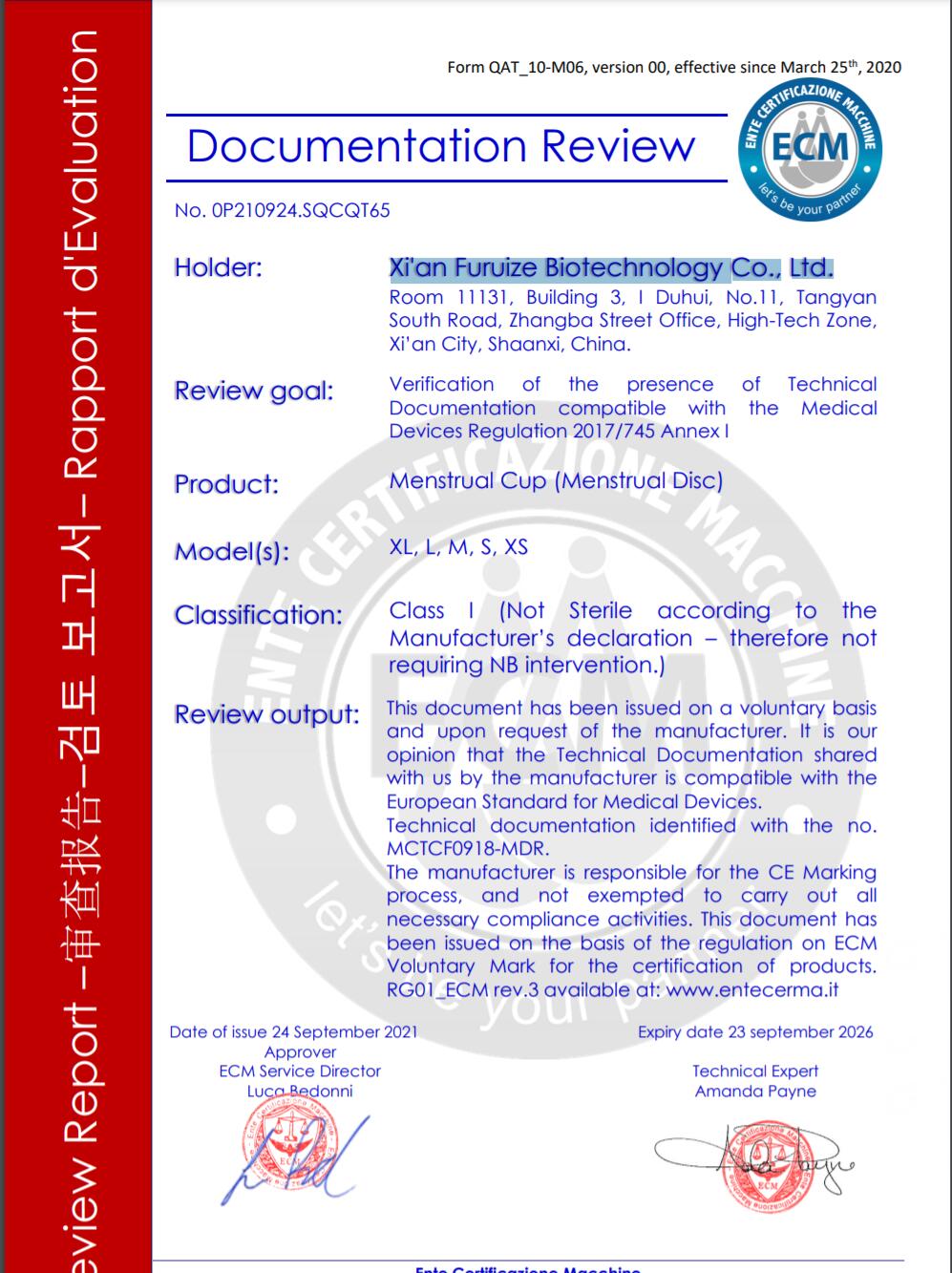
ISO13485 Certified • Dust-Free Production • Controlled Environment
GMP-Level Hygiene Standards • OEM/ODM Manufacturing
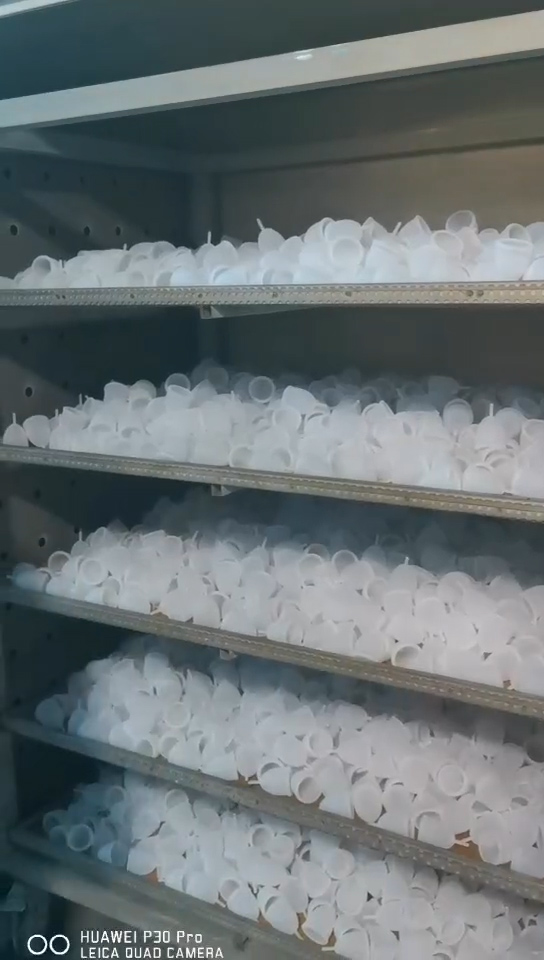
Class Definition
Cleanroom Classification & Standards
Cups and discs are molded in ISO 14644-1 controlled halls — Class 7 occupied performance at the press line, Class 8 kitting, with positive-pressure segregation per ISO 13485. Process context: LSR workflow.
- • ISO 14644-1/2 particle limits and monitoring plan
- • Class 7 molding; Class 8 packaging zones
- • Zone register with qualification dates for auditors
- • 80% alert / 100% action on particle excursions
- • 15-minute recovery after brief door events
Air Quality Engineering
Air Purification & Filtration System
Pre-filtration & conditioning
MERV-13 and bag filters; supply air held at 22 ±2 °C and 45–55% RH to stabilize LSR cure and reduce electrostatic dust on translucent cups.
Terminal HEPA & FFU
Class 7 ceiling HEPA modules (99.97% @ 0.3 µm) plus fan-filter units delivering vertical wash over open mold faces.
Pressure cascade
Class 7 +12–18 Pa over Class 8; trim-station exhaust with HEPA-conditioned makeup; smoke-wire validation confirms no stagnant zones.
Filter maintenance
Monthly pre-filters, quarterly bags, condition-based HEPA replacement; post-change particle clearance before press restart.
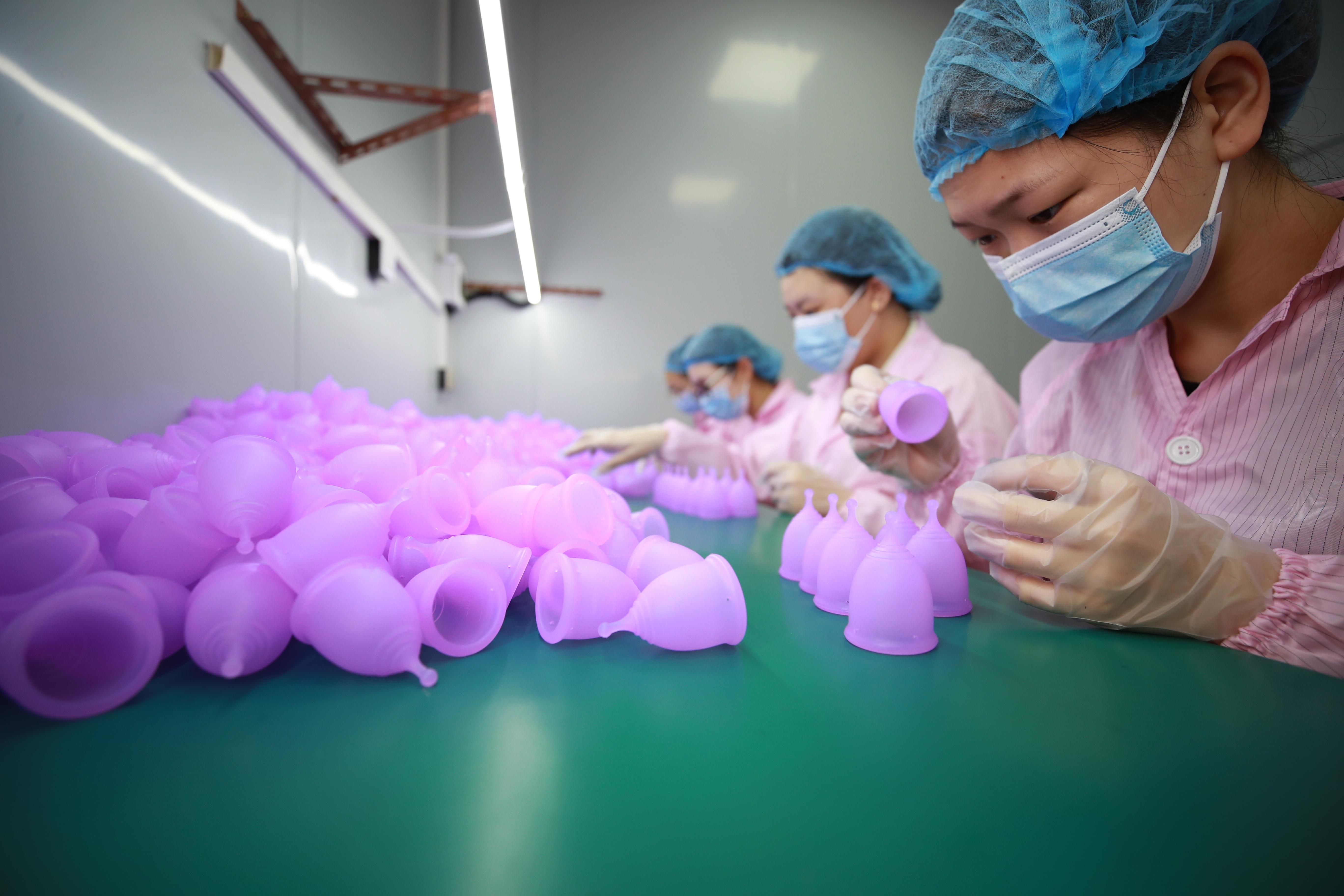
Hygiene Discipline
Sterile Production Protocols
Contamination control scope
Minimize bioburden and particulate from demold through pre-pack — ISO 13485 hygiene, not terminal sterilization before retail.
Closed-loop LSR delivery
Sealed pumping from quarantine to injection; pigment dosing outside Class 7; only cured parts and approved tooling enter the zone.
Pre-pack cleaning gate
IPA lint-free wipe-down on silicone-compatible wipes; sealed totes do not reopen until packaging mezzanine.
QC hold linkage
Particle excursions quarantine batches in quality control until root-cause closure.
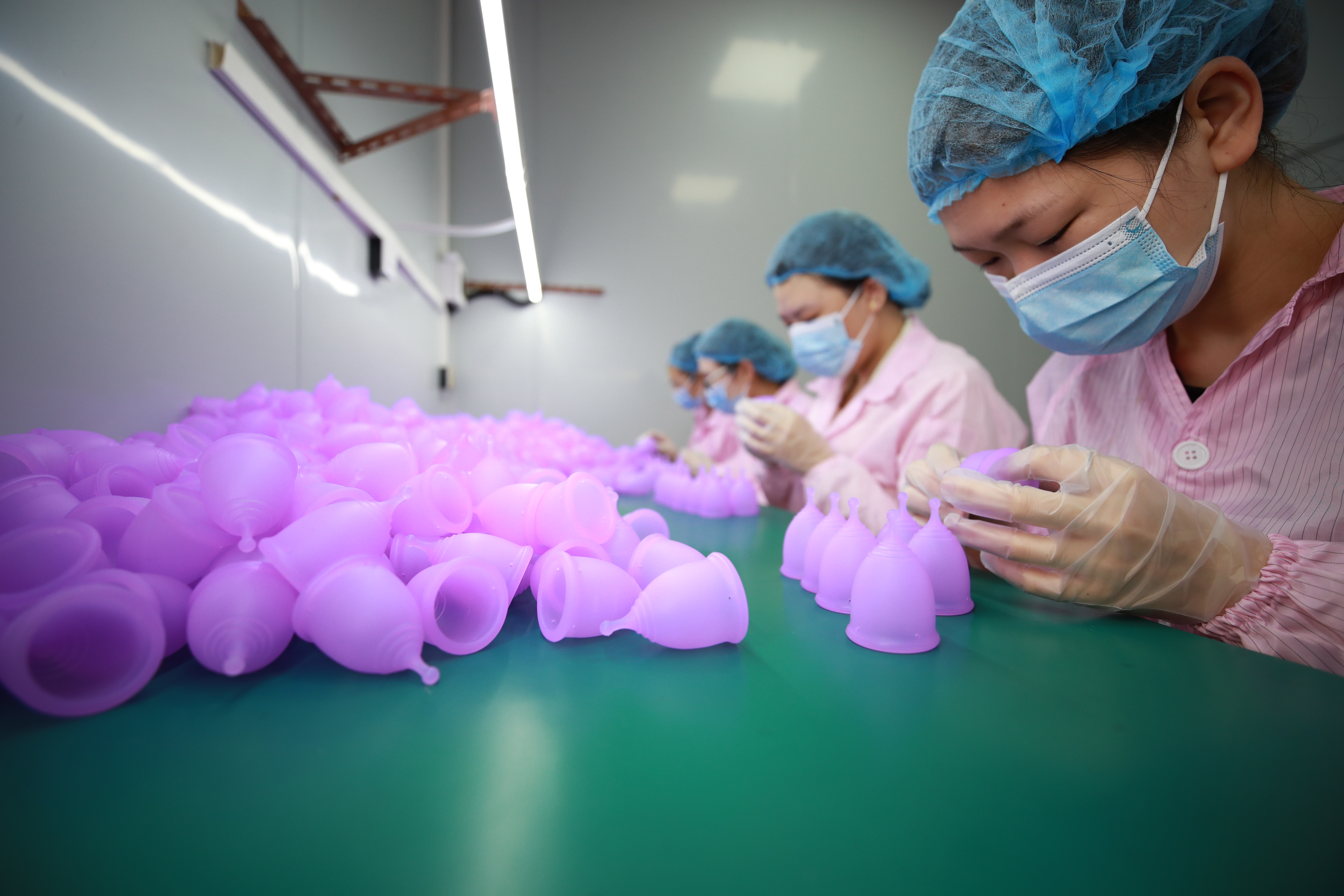
Sterile Production Protocol Steps
From material delivery through non-conforming segregation
Closed-Loop Material Delivery
LSR remains in sealed pumping lines from quarantine release to mold injection; pigment dosing in prep bay outside Class 7.
Contact-Surface Control
Cooling racks, trim fixtures, and totes sanitized per shift-start SOP; rack liners replaced at contamination limits.
Minimal-Touch Demolding
Automated demold reduces bell contact; nitrile gloves changed every two hours or after floor-contact incidents.
Pre-Pack Cleaning Gate
Class 7 IPA wipe-down; parts transfer immediately into sealed totes until packaging mezzanine.
Non-Conforming Segregation
Rework and scrap exit via pass-through hatches; regrind never re-enters medical LSR streams.
Human Factors
Staff Gowning & Behavior Rules
Class 7 gowning sequence
Shoe covers, hand wash, hooded coverall, 30-second air shower, mirror check — torn garments replaced before entry.
Behavior rules
No phones, food, or cosmetics; slow movement near open molds; tools wiped before platen placement; single-door airlock.
Garment laundering
Validated cleanroom garment service with particle-shedding tests; single-use hoods during high-traffic or deviation weeks.
Annual re-certification
Timed gowning practical and written quiz; failed attempts block Class 7 assignment until remedial training passes.
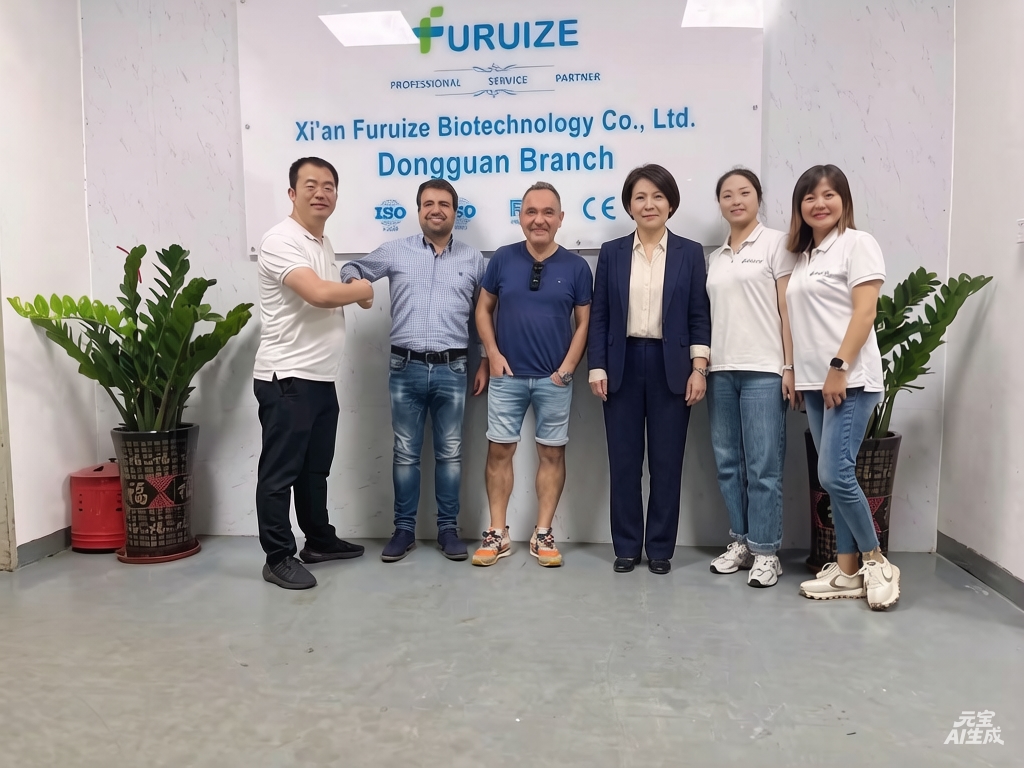
Verified Performance
Certification & Monitoring
Continuous EMS
Laser particle counters (0.5 µm / 5.0 µm) every 60 s; differential-pressure logs every 5 min; hall-mounted operator displays.
Alarm & CAPA
80% alert / 100% action on particle limits; press hold and batch quarantine; deviation reports within two hours per ISO 13485.
Periodic certification
Semi-annual particle maps, annual HEPA integrity scans, recovery-time tests after door-open events.
OEM audit package
Zone register, particle-map report, EMS alarm summary, filter logs, gowning SOP, and lot-to-environment traceability drills.
Cleanroom Manufacturing FAQ
What cleanroom classification does Furuize use?
Controlled-environment production with particle monitoring, positive pressure, and segregated material flows — supporting ISO 13485 medical device scope.
Why does cleanroom matter for menstrual cups?
Intimate-use silicone benefits from dust-controlled molding, contact-surface protocols, and pre-pack cleaning gates — reducing contamination risk before consumer sterilization.
Is molding performed inside the cleanroom?
Core LSR injection and demolding run under controlled conditions; see production process for stage-by-stage flow.
Can auditors review cleanroom records during factory visits?
Yes — environmental monitoring logs, maintenance records, and segregation SOPs are available during factory tours and supplier audits.
Related Manufacturing & OEM Resources
Manufactured in Certified Clean Room Environment
Contact us to learn how our controlled clean room ensures safe, high-quality menstrual cup production.