
Analytical Center
Professional Testing Lab
Validation & Compliance Data
ISO13485 Certified • FDA Registered • CE Approved
Material & Product Testing • Biocompatibility • OEM/ODM Assurance
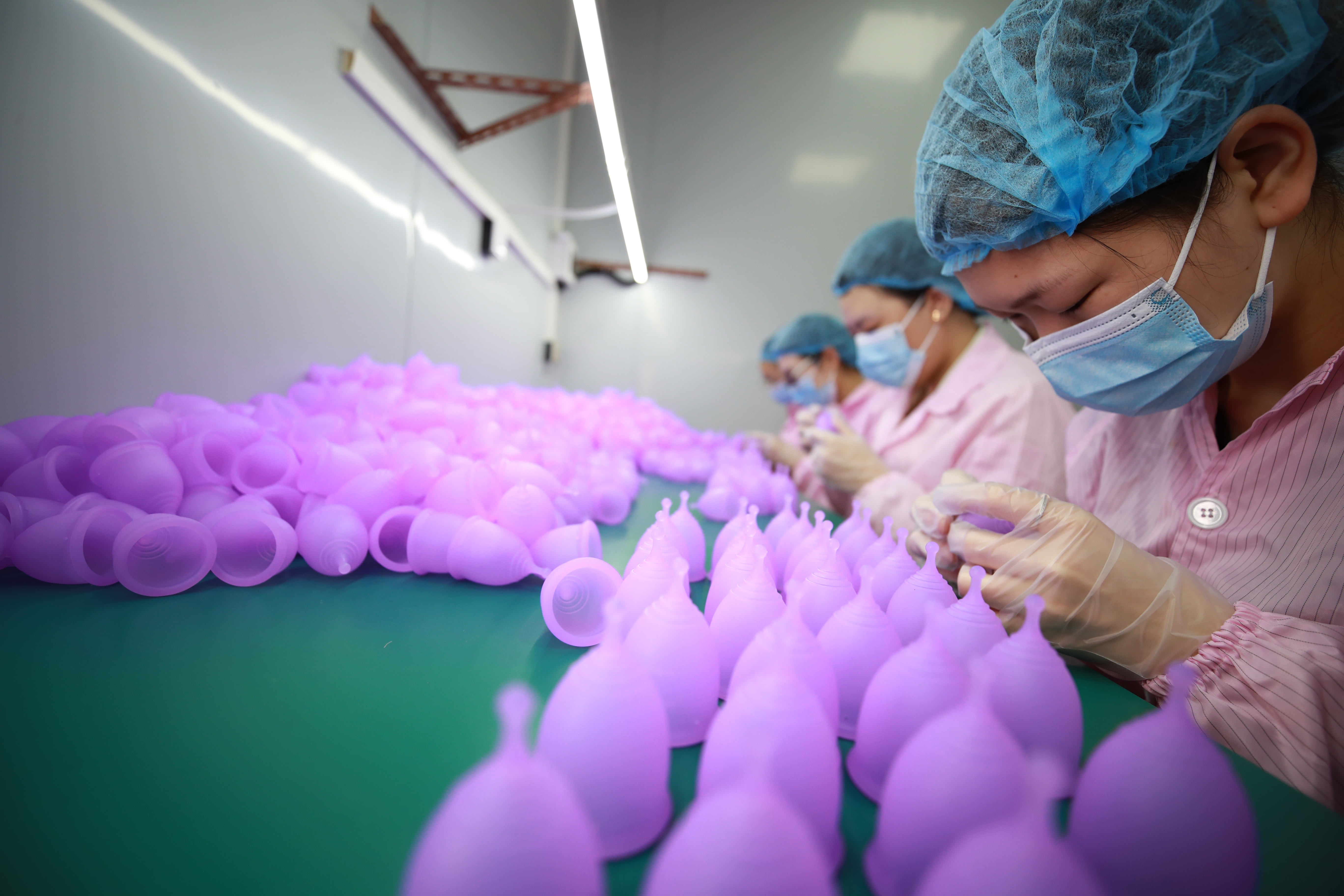
Instrument Suite
Laboratory Equipment & Capabilities
On-site validation lab adjacent to molding — mechanical, dimensional, and functional testing under calibrated SOPs with same-shift turnaround for lot release and failure investigation. Complements material IQC and batch QC.
- • UTM stem pull, Shore A, compression set rigs
- • CMM rim/wall/bowl dimensional sampling
- • Disc leak bench and gravimetric capacity fixtures
- • 23 ±2 °C / 50 ±10% RH per ISO 291 protocols
- • Calibration-linked certificates on equipment master list
Lifecycle Simulation
Durability & Fatigue Testing
Thermal aging & boil cycles
5, 20, and 50 × 10-minute distilled-water boils; post-cycle Shore A, tensile retention, and delta-E vs baseline.
Mechanical fatigue
1,000 stem pull cycles at 70% break force; 500 disc fold simulations; rim collapse on soft teen cups.
UV & chemical exposure
ISO 4892-3 UV-A panels for display SKUs; silicone-compatible detergent soak for harsh cleanser modeling.
Failure analysis
Microscopy and shore mapping on field returns; CAPA feed to quality control within five business days.
FAI sign-off trigger
Required on new mold FAI and after silicone grade or pigment change shifting shore hardness >3 points.
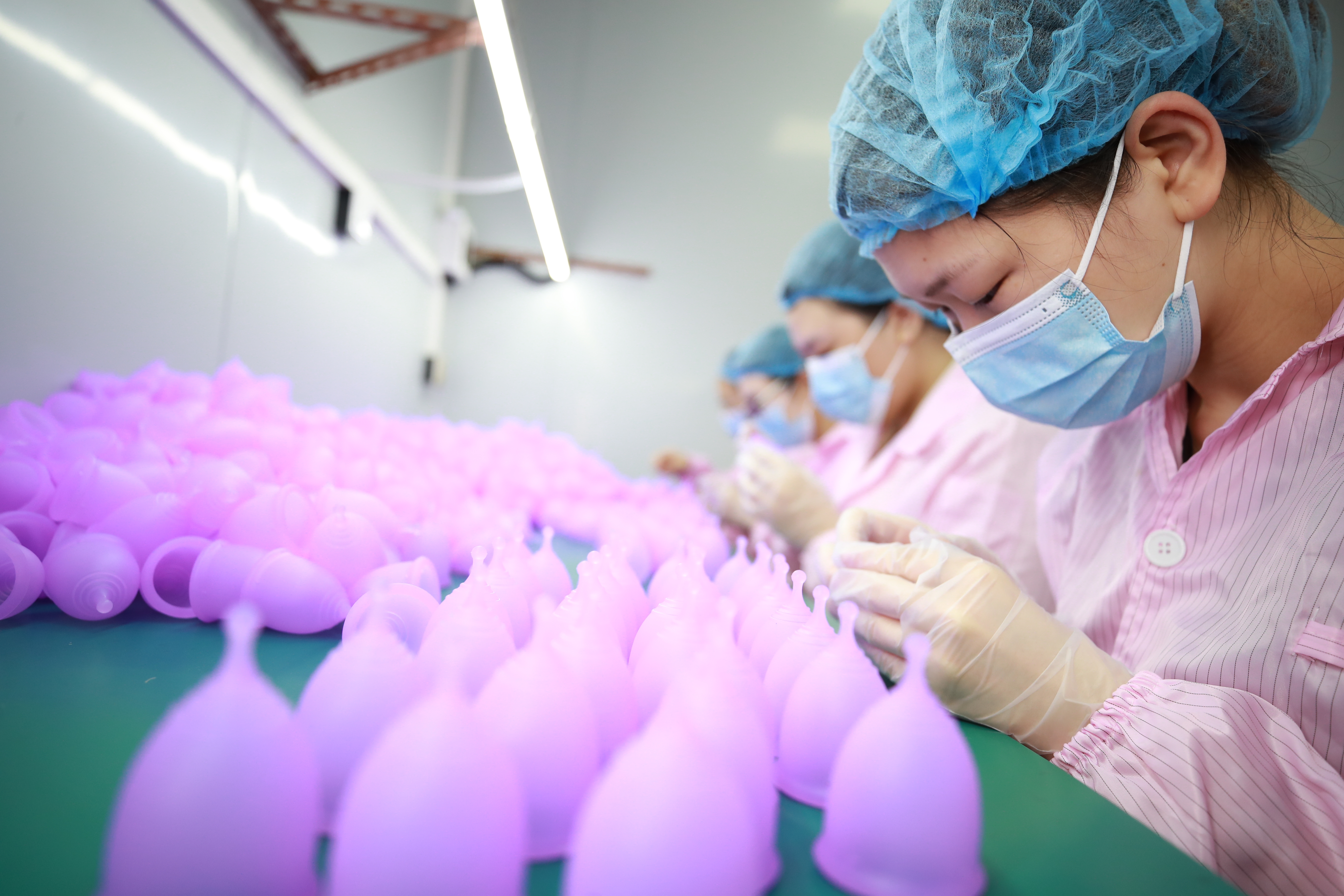
Biological Safety
Biocompatibility & Safety Testing
Production-cure samples
Test plaques molded on production tools with same LSR lot, pigment, and cure parameters as evaluated SKU.
ISO 10993 coordination
Cytotoxicity (10993-5) and sensitization (10993-10) via CNAS/ISO 17025 partners; raw data reviewed for borderline results.
Chemical residual screens
Headspace VOC and extraction mass-loss on selected lots before 10993 submittal — catches catalyst mis-mix.
Regulatory evidence files
Structured dossiers for EU MDR and US FDA pathways — not generic hypoallergenic claims without test IDs.
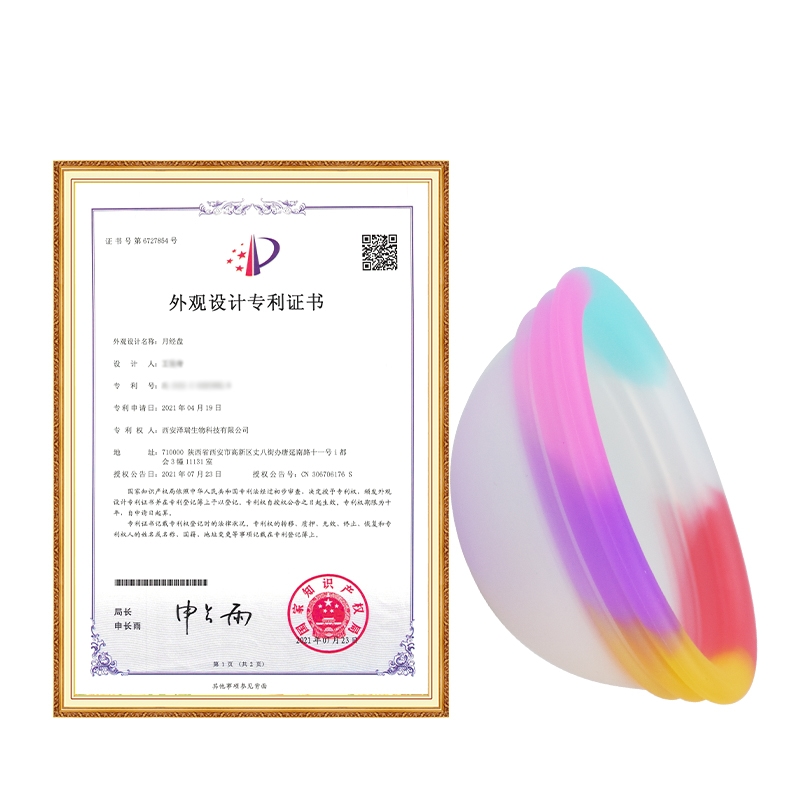
Biocompatibility Testing Workflow
From production-cure molding through change control
Sample Molding Under Production Cure
Plaques and whole cups molded on production tools with same LSR lot, pigment, and cure parameters as SKU.
Extraction & Preparation
Post-cured per SOP, sectioned for extractables; chain-of-custody links to batch traveler and silicone COA.
In-Vitro Screening
ISO 10993-5 cytotoxicity and 10993-10 sensitization commissioned from accredited partners.
Chemical Residual Checks
VOC headspace and solvent-extraction screens complement biological panels on selected lots.
Ongoing Change Control
Material matrix flags re-evaluation triggers; report expiry dates auto-create LIMS retest tickets.
File Building
Regulatory Compliance Verification
EU & UK pathways
EU MDR Class I GSPR mapping, UKCA coordination, clinical evaluation inputs, post-market surveillance hooks.
Traceability index
Report number, sample batch, test date, SOP revision, and technician ID — one-page audit answers.
SGS supplementation
Third-party SGS reports supplement SKU-specific file assembly managed here.
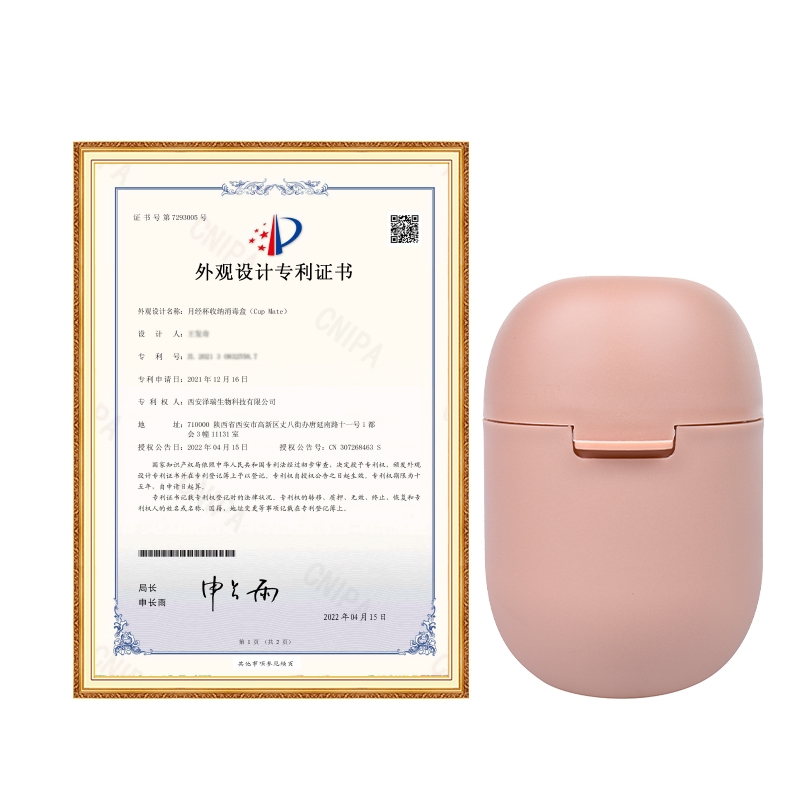
Closed Loop
Quality Assurance Integration
LIMS & traveler linkage
Barcode scans on OQC AQL samples auto-create test jobs; pass/fail flags propagate to batch release screens.
Trigger matrix
FAI → full suite; silicone lot change → boil panel; pigment → delta-E/VOC; DISC-LEAK complaint → 48 h forensics.
OEM transparency
Quarterly sanitized lab summaries; NDA quality portals with rim-diameter histograms on lighthouse SKUs.
Continuous improvement
Monthly lab–QC Pareto reviews; failed tests block MES release before cartons reach staging dock.
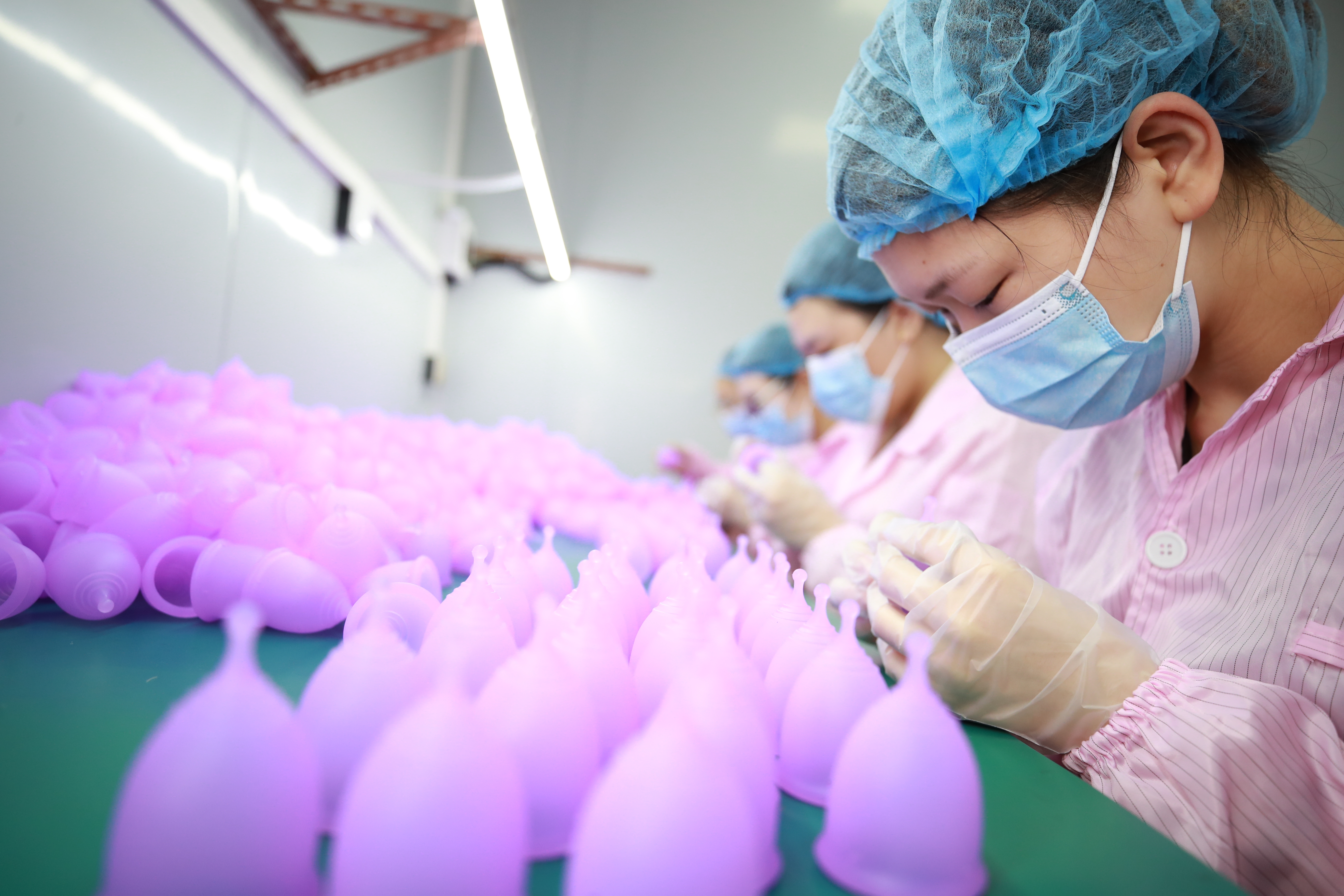
Menstrual Cup Testing Lab FAQ
What tests does your menstrual cup lab perform?
Dimensional CMM sampling, tensile stem tests, compression set after boiling, dye-leak benches, and chemical residual screening — supporting QC release.
Do you provide ISO 10993 biocompatibility evidence?
In-vitro protocols coordinated with accredited partners; summaries included in OEM compliance packs alongside SGS reports.
Can buyers review test reports before first PO?
Yes — request anonymized report samples via inquiry form during supplier vetting.
Related Manufacturing & OEM Resources
Leverage Our ISO13485 Testing Lab
Contact us to learn how our lab ensures menstrual cup safety, performance, and regulatory compliance.