· Furuize Team · Sourcing Guide · 7 min read
EU MDR vs FDA Pathway for OEM Menstrual Cups — Regulatory Roadmap for Multi-Market Brands
Side-by-side regulatory comparison for EU, US, and UK launches. Role split between manufacturer and brand owner, evidence reuse, timeline budgets, and common filing mistakes.
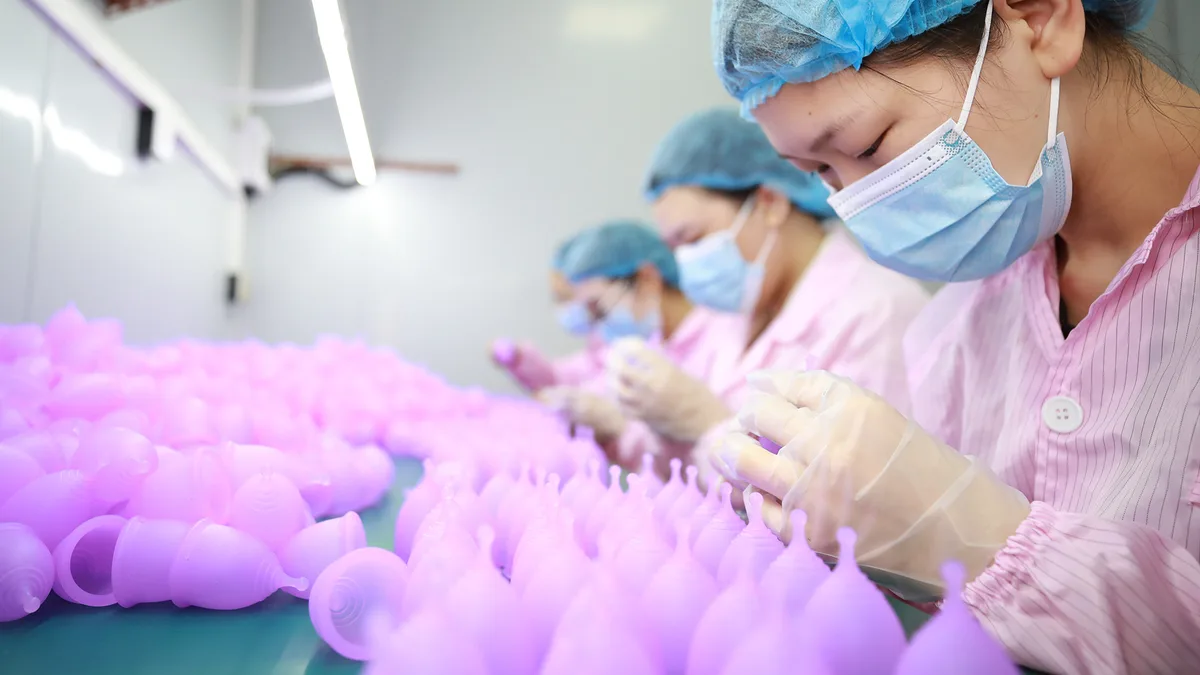
Multi-market OEM brands routinely ask: “If our factory is ISO 13485 and FDA registered, are we CE-ready and Amazon-safe?” The honest answer is partially — shared manufacturing evidence accelerates both pathways, but EU MDR and US general controls assign different obligations to manufacturers, importers, and brand owners. Treating a factory certificate as a universal passport is how listings go live in September and stall in November under document requests.
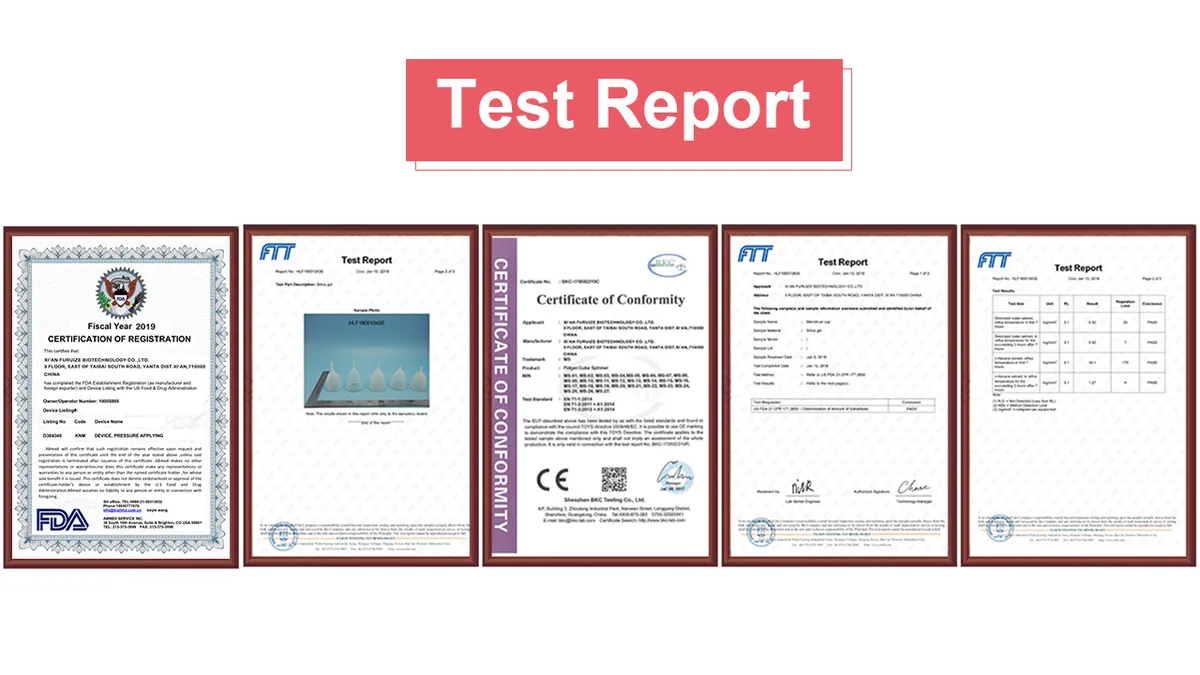
This roadmap is for regulatory affairs leads, founders, and distributors planning EU + US + UK placement of menstrual cups and discs manufactured at Xi’an Furuize Biotechnology Co., Ltd. or comparable OEMs. Deep dives live on CE, FDA, ISO 13485, and SGS pages — here we compare pathways, timelines, and ownership.
Device Classification Snapshot
| Region | Typical classification | Notified body / agency | Conformity highlight |
|---|---|---|---|
| EU (MDR) | Class IIa Rule 21 internal wear | Notified body for IIa | CE certificate + Declaration |
| UK (UKCA) | Mirrors MDR transition rules | UK approved body | UK importer + UKCA mark |
| USA | Class II general controls common | FDA establishment + listing | No PMA for typical cup/disc |
| Canada | Class II medical device | Health Canada MDL pathway | Separate license holder |
Most reusable silicone cups/discs are not implantables or life-sustaining — but they are regulated devices, not generic consumer goods.
Role Split — Who Owns What
| Activity | Contract manufacturer (Furuize) | Brand owner / importer |
|---|---|---|
| ISO 13485 QMS | Maintains | Audits supplier |
| Design DMR for OEM SKU | Maintains under contract | Approves specifications |
| Batch DHR / COA | Issues per lot | Archives for traceability |
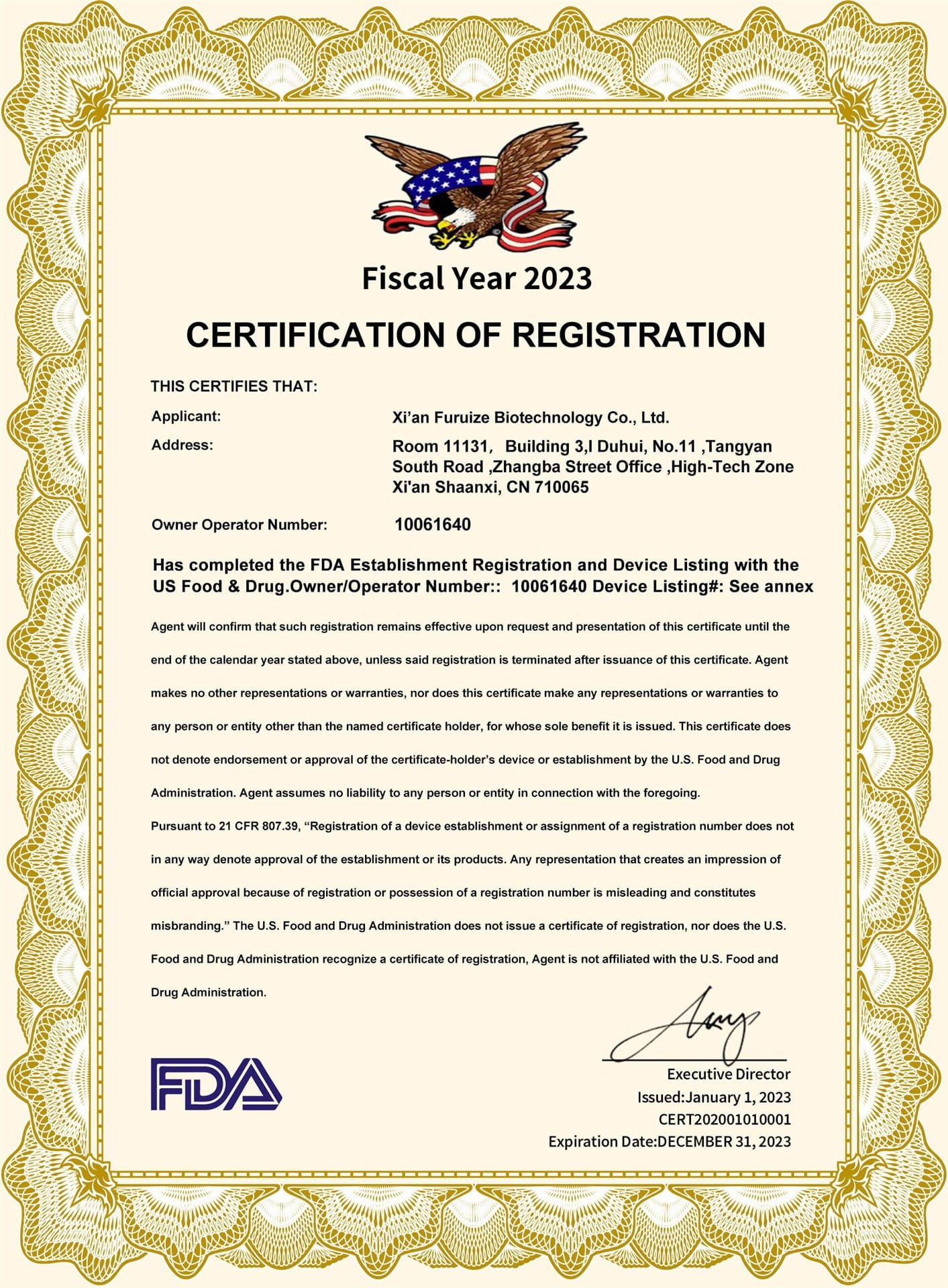
| FDA establishment registration | Factory registered | US importer often separate registration |
| CE certificate scope | Holds manufacturing conformity | EU Declaration signatory often brand |
| EU Authorized Representative | Cooperates with access | Appoints AR on label |
| UDI-DI assignment | Provides data elements | Registers in EUDAMED as importer |
| Post-market vigilance | Factory CAPA interface | Importer serious incident reporting |
| Amazon chemical uploads | Supplies SGS reports | Seller uploads to portal |
Blurry roles cause the most delays — contract clarity beats hurry.
Video: Regulatory Document Map
Furuize YouTube channel — manufacturing compliance context
Use alongside downloadable indexes from your account manager during NDA onboarding.
EU MDR Pathway — OEM Timeline Model
Indicative new brand / new mold timeline with competent regulatory consultant:
| Phase | Duration | Key outputs |
|---|---|---|
| Classification & intended purpose | 2–3 weeks | Intended use, contraindications, variant list |
| Biological evaluation plan | 3–4 weeks | ISO 10993 matrix |
| Technical file assembly | 8–12 weeks | Annex II index, risk file ISO 14971 |
| Notified body submission | 4–10 weeks queue | NB contract |
| NB review & QMS audit linkage | 8–16 weeks | Certificate issuance |
| Declaration + labeling | 2–4 weeks | IFU languages, UDI labels |
| Total (typical) | 6–9 months | First EU shipment ready |
Accelerators: Catalog mold with existing Furuize technical file supplements; literature-based clinical evaluation for established geometry.
Delays: New pigment without chemical reassessment; missing AR appointment; IFU claims exceeding test evidence.
See CE certification page for GSPR and technical file structure — not duplicated here.
FDA General Controls Pathway — OEM Timeline Model
| Phase | Duration | Key outputs |
|---|---|---|
| Device description & classification rationale | 2 weeks | 510(k)-exempt or Class II memo |
| Establishment registration verification | 1 week | Factory FEI alignment |
| Device listing (brand/importer) | 1–2 weeks | Listing for product code |
| Labeling review 21 CFR 801 | 3–4 weeks | US symbols, warnings |
| Biocompat / performance file | Parallel | SGS summaries attached |
| State + marketplace gates | Variable | Seller-specific |
| Total (typical) | 2–4 months operational | Often faster than EU if files exist |
Critical language: “FDA registered manufacturing facility” ≠ “FDA approved cup.” Misleading copy triggers marketplace takedowns.
Detail on establishment registration: FDA page.
Side-by-Side Evidence Reuse Matrix
| Evidence document | EU MDR use | FDA use | Reuse notes |
|---|---|---|---|
| ISO 13485 certificate | QMS proof | QSR alignment narrative | Same certificate |
| ISO 10993 biocompat | Annex II biological | General controls file | Same reports if material unchanged |
| SGS chemical RoHS/REACH | Chemical characterization | Amazon upload | Refresh on pigment change |
| Mechanical bench data | Performance GSPR | Design verification | Same protocols |
| Risk management ISO 14971 | Mandatory | Design controls story | Harmonize hazard lists |
| Clinical evaluation / literature | CER required | Less formal but useful | EU drives depth |
| PMS plan | PSUR cadence | Complaint handling | Different forms |
| Label artwork | MDR Annex I | 21 CFR 801 | Must regionalize |
One test, two files — index reports once in manufacturer DMR; brand regulatory lead forks regional cover sheets.
Cost Budget Illustration (Planning Only)
| Cost bucket | EU IIa indicative | US indicative |
|---|---|---|
| Notified body fees | USD 15k – 40k+ | N/A |
| Regulatory consultant | USD 8k – 25k | USD 5k – 15k |
| Biocompat / chemical testing | USD 3k – 12k | Overlap with EU |
| Translation / IFU | USD 2k – 8k per language set | English primary |
| UDI / EUDAMED setup | USD 1k – 3k | GUDID if applicable |
| AR annual fee | USD 2k – 5k | N/A |
USD bands vary by NB and SKU complexity — use as board-level reserves, not quotes.
UKCA Post-Brexit Note
Great Britain requires UKCA conformity and UK Responsible Person for many device routes. EU CE alone does not clear GB after transitional rules evolve. Dual-file brands maintain:
- EU: CE + AR + EUDAMED
- UK: UKCA + UKRP + MHRA registration steps
Factory technical files at Furuize support both with regional cover pages — plan three indexes (EU/US/UK) off one DMR core.
Common Filing Mistakes (OEM Brands)
| Mistake | Consequence | Prevention |
|---|---|---|
| Brand signs EU Declaration before NB certificate | Illegal placement | Sequence NB cert first |
| Reusing Amazon US claims on EU IFU | MDR misbranding | Regional copy control |
| No AR before first EU shipment | Customs / pharmacy rejection | AR contract pre-PO |
| Skipping UDI on disc variant | EUDAMED block | Variant UDI plan day one |
| ”One ISO certificate” from trading company | Audit failure | Verify scope holder = molder |
| Ignoring PMCF for disc line extension | NB surveillance finding | Plan PMCF at launch |
Regulatory Gantt — Dual Market Launch (ASCII)
Month:  1    2    3    4    5    6    7    8    9
EU TF:  [==========]
NB:              [============]
EU ship:                              *
US file:[======]
US ship:                    *
Run US operational launch when factory evidence complete even if EU NB still in review — if US entity and listings ready. Do not ship EU until CE chain closed.
Working With Factory on Multi-Market Files
Furuize deliverables for dual-path brands:
- DMR index per SKU with mold and material IDs
- Sanitized Annex II table of contents for EU consultant
- FDA establishment verification letter
- SGS report index with refresh dates
- Change-control notification template for pigment/mold events
- Post-market complaint routing SOP draft
Your consultant remains legal manufacturer strategist on Declarations and listings — factory does not replace importer vigilance duties.
Clinical Evaluation and Performance File — EU vs US Depth
EU MDR expects a Clinical Evaluation Report (CER) even for well-established cup geometries — often literature-based for mature designs, but the benefit–risk conclusion must be explicit and signed. US general controls rarely demand a CER-shaped document in the same form, yet Amazon and retail reviewers increasingly ask for performance narrative tying capacity claims and material safety to test reports.
| Element | EU expectation | US practical expectation |
|---|---|---|
| Literature search | Documented per MEDDEV-style rigor | Helpful for brand credibility |
| Equivalence argument | If claiming equivalent device | Less formal unless 510(k) path |
| PMCF plan | Required in PMS bundle | Complaint trending acceptable start |
| Usability (IEC 62366) | Expected in TF for new users | Label warnings + IFU clarity |
| Post-market updates | PSUR cadence for Class IIa | Complaint file + CAPA linkage |
Brands launching both markets should task their EU consultant to produce CER content that US packaging teams can excerpt — avoiding duplicate medical writing fees. Factory mechanical verification data from testing lab protocols feeds both files when test method IDs are harmonized.
Labeling and Claims — Regional Copy Control
| Claim type | EU MDR | US FDA / FTC |
|---|---|---|
| ”Medical grade silicone” | OK with material substantiation | OK with material substantiation |
| ”FDA approved device” | Misleading | Misleading for typical cup |
| ”12-hour wear” | Needs IFU + risk file support | Needs substantiation; FTC visibility |
| ”Hypoallergenic” | Avoid unless tested | Avoid unless tested |
| Period sex with disc in place | Only if validated + IFU | Conservative copy review |
Maintain a claims matrix spreadsheet approved by regulatory before design ships retail boxes — packaging revs are the fastest way to invalidate a technical file.
Selecting Regulatory Consultants and Notified Bodies
OEM brands should interview advisors with menstrual device experience, not general consumer goods certifiers:
- Ask for redacted Class IIa intimate device timelines they led in the last 24 months.
- Confirm NB quotes include surveillance audit years three through five — not only initial cert fee.
- US counsel should understand general controls without defaulting to 510(k) budget when exempt rationales apply.
- Factory participates in TF workshops but does not ghost-write Declarations on brand letterhead.
Furuize supplies technical appendices; brand counsel owns legal signatory decisions.
Decision Tree — Which Market First?
| If your priority is… | Launch order | Why |
|---|---|---|
| Fastest revenue test | US DTC after FDA file check | Shorter operational path |
| Pharmacy credibility | EU after NB cert | CE unlocks dm/Boots-class dialogues |
| GCC wholesale | US/EU docs + Arabic sticker pack | Importers want both symbols |
| Teen DTC global | US + soft cup; EU disc later | Match education spend to format |
Post-Market Surveillance — Dual-File Operating Rhythm
After launch, synchronize EU PSUR inputs and US complaint trending monthly:
| Month | EU action | US action | Factory interface |
|---|---|---|---|
| Monthly | Complaint summary by lot | Amazon review scrape + helpdesk | CAPA triage |
| Quarterly | PMS metrics dashboard | Retail chargeback review | Mold parameter check |
| Annual | PSUR draft inputs | Insurance renewal data pack | Surveillance audit support |
Brands that treat post-market as one dataset, two reports spend less than brands rebuilding evidence after a serious complaint.
Schedule a regulatory readiness workshop with factory QA before any crowdfunding or pharmacy LOI announcement — public launch dates without closed NB contracts are a leading cause of EU shipment slips that damage brand credibility in trade press. Treat regulatory budget as CAPEX alongside molds, not as a post-launch administrative surprise.
Conclusion
EU MDR and FDA pathways share manufacturing DNA but diverge on legal actors, timelines, and labeling grammar. OEM brands win by indexing evidence once, regionalizing claims twice, and sequencing certificates before cartons print. Use factory ISO and SGS depth as acceleration — not as a substitute for notified-body certificates or importer registrations.
Next in series: marketplace and pharmacy vendor compliance — operationalizing these files at Amazon and retail gates. Request regulatory onboarding via contact or solutions.