
Raw Material Science
Medical-Grade Silicone Material
Platinum-Cured LSR Supply
FDA-Approved LSR Silicone • ISO13485 Certified Materials
Biocompatible • Non-Toxic • High Elasticity OEM/ODM Material System
Material Foundation
Medical Grade Silicone Overview
Furuize uses platinum-cured medical LSR only — lower extractables than peroxide-cured HCR, stable clarity, and no plasticizer migration for multi-year intimate use. Lots trace from drum serial to SKU barcode; IQC release before molding. Validation: testing lab.
- • Shore A 30–50; tensile 7–9 MPa on cured plaques
- • A/B metering at ±1% before static mix and injection
- • Hydrophobic, boil-stable, odor-neutral cured matrix
- • Medical-grade pigment limits per internal spec sheet
- • Thin-wall precision for bell cups and disc notches
Regulatory Substance
Safety Certifications & Compliance
Material compliance matrix
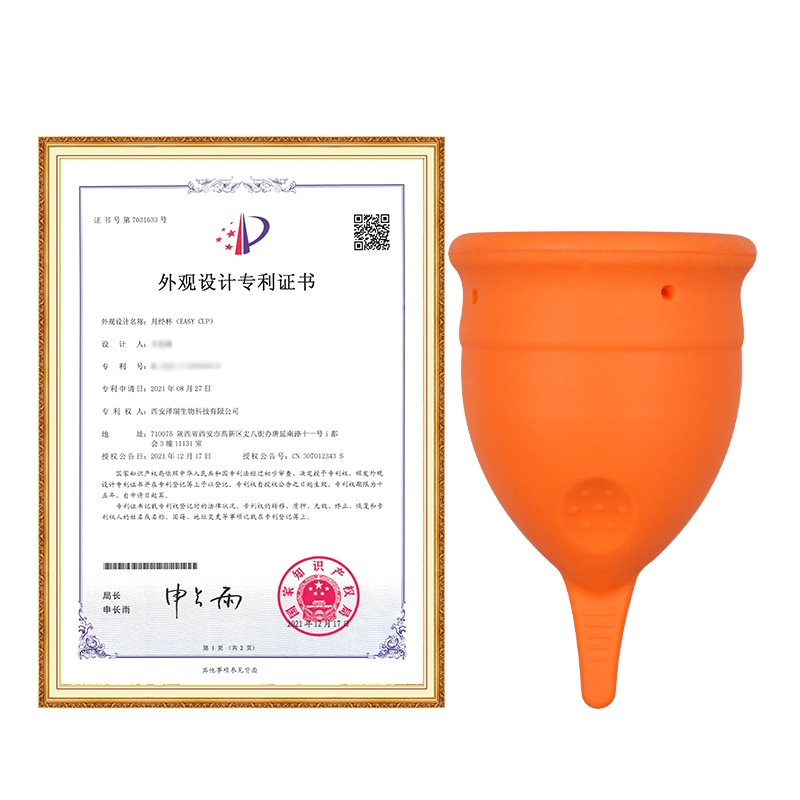
Each approved LSR grade has supplier declarations, chemical restrictions, and biological evidence — separate from facility ISO 13485 scope.
Biological safety
ISO 10993-5/10/11 on cured plaques; USP Class VI supplements EU MDR files; pigment/shore changes trigger re-evaluation assessment.
Chemical restrictions
BPA, phthalate, latex, and heavy-metal declarations; annual RoHS and REACH SVHC screen; Prop 65 support for US OEM files.
FDA & EU declarations
Supplier DMF cross-refs and EC 1935/2004 framework declarations for monomer residual and boiling-use narratives.
Documentation chain
Per-lot COA, SDS, and compliance bundle archived seven years; redacted SKU summaries for due diligence.
Measured Properties
Key Material Performance Tests
Lot verification focus
Every new drum and formulation change tested for properties predicting stem tears, rim softening, and disc lip creep.
Rheology & mix ratio
Viscometry and gel-time on Part A/B before press connection — catches aged catalyst before under-cured parts.
Mechanical plaques
ISO 37 tensile/tear within ±10% of grade spec; outliers trigger lot hold and supplier NCR.
Downstream link
Plaque results predict molded cup leak and stem pull pass rates — detail in quality control.
Material Performance Test Sequence
From rheology verification through extractables screening
Rheology & Mix Ratio Verification
Rotational viscometry and gel-time tests validate catalyst activity before drums connect to press skids.
Mechanical Property Plaques
Cured 2 mm ISO 37 dumbbells — tensile and tear within ±10% of grade specification.
Shore A Hardness & Compression Set
ISO 7619 durometer; 100 °C compression set predicts disc lip relaxation after folding insertion.
Thermal Aging & Boil Simulation
Five × 10-minute boils; re-test hardness, tensile, and delta-E on translucent or pastel SKUs.
Extractables & Volatile Screening
VOC headspace and solvent extraction on selected lots; spikes trigger expanded testing lab panels.
Material Comparison
Advantages Over Other Materials
LSR vs TPE/TPU
No plasticizer migration, boil-stable to 200 °C+, seamless thin-wall molding, established ISO 10993 data packages.
LSR vs latex
Hypoallergenic synthetic, UV/ozone resistant, neutral odor, compatible with platinum pigment systems.
LSR vs PVC
No chlorine or phthalate concerns; sub-millimeter wall elasticity for long internal dwell times.
User-experience benefits
Hydrophobic insertion surface, disc elastic memory, color-stable pigments, 5–10 year aging data backing.
Non-approved policy
No alternative elastomers in shared medical presses; formal risk memo before any tooling investment.
Customization Matrix
OEM Material Selection Options
Shore hardness tiers
Soft 30–35 teen/sensitive; medium 38–42 bell default; firm 45–50 disc lips and heavy-flow rims — mapped to mold families.
Optical & color
Translucent, Pantone opaques, swirl marble effects — per-color biological re-qualification flagged in matrix.
Specialty pigments
Pearl, glitter, glow from pre-qualified suppliers with migration history and loading limits.
Client-nominated grades
50-shot trial, boil-aging vs baseline, signed change control before approved vendor list entry.
Recommendation sheet
Per-quote SKU-to-drum-grade link on batch traveler; branding options via custom branding OEM.
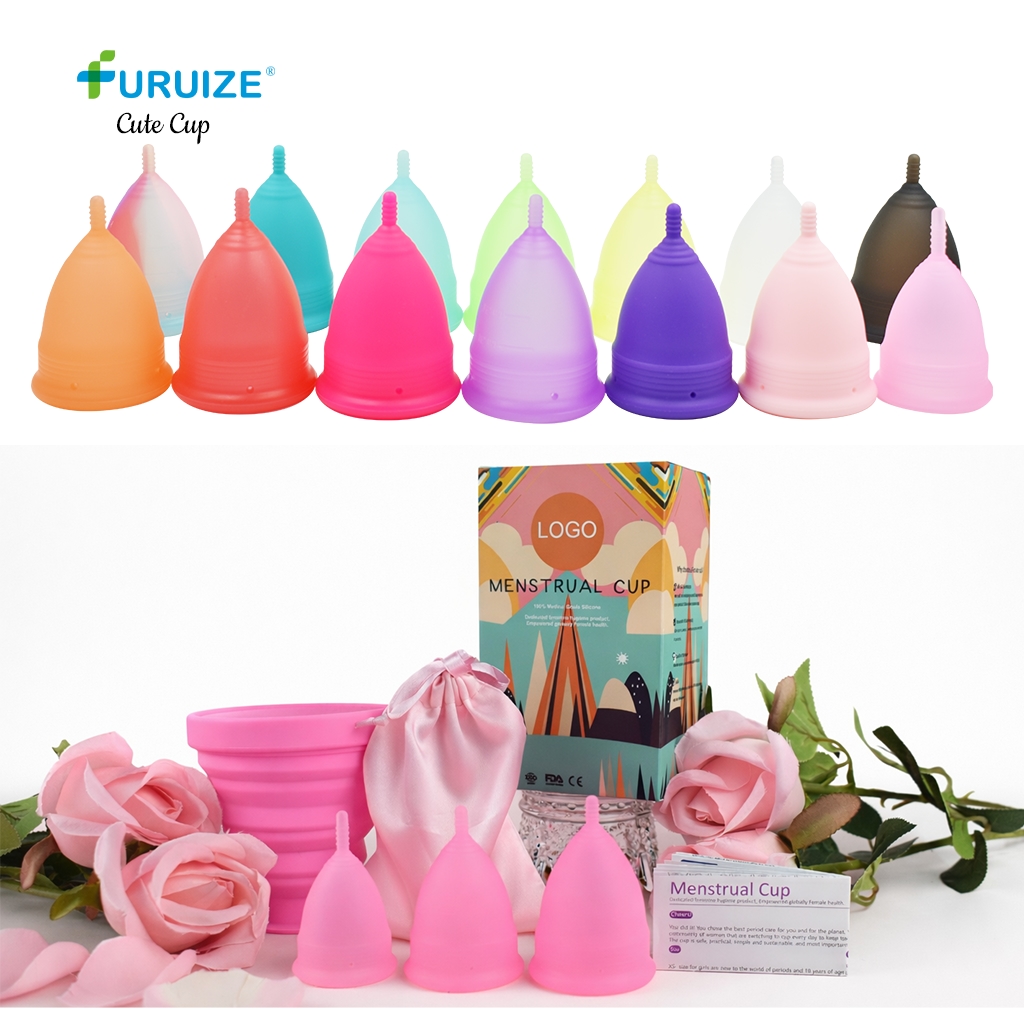
Medical Grade Silicone FAQ
What silicone grade do you use for menstrual cups?
Platinum-cured medical-grade LSR from audited suppliers — biocompatible, odor-neutral, and validated per lot before molding release.
Can you match custom shore hardness and colors?
Yes — shore tiers, Pantone pigments, and translucent finishes with lot-linked COAs. Branding options: custom branding OEM.
How do you verify silicone safety?
Incoming rheology checks, mechanical plaques, extractables screening, and third-party SGS testing coordinated via our testing lab.
Do material changes require re-qualification?
Yes — any pigment or hardness change triggers shrinkage re-validation and updated batch travelers under ISO 13485 change control.
Related Manufacturing & OEM Resources
Premium Silicone for Safe Menstrual Cup Manufacturing
Contact us to learn more about our medical-grade silicone materials for OEM/ODM projects.