· Furuize Team · Customer Stories · 13 min read
Welcoming Our Turkish Partner — A First-Person Account of a Menstrual Cup Factory Visit That Became a Long-Term Supply Relationship
A first-person account of how Furuize welcomed a Turkish client, walked through our menstrual cup product range, discussed customization and quality control on-site, and earned her decision to choose us as her final supplier.
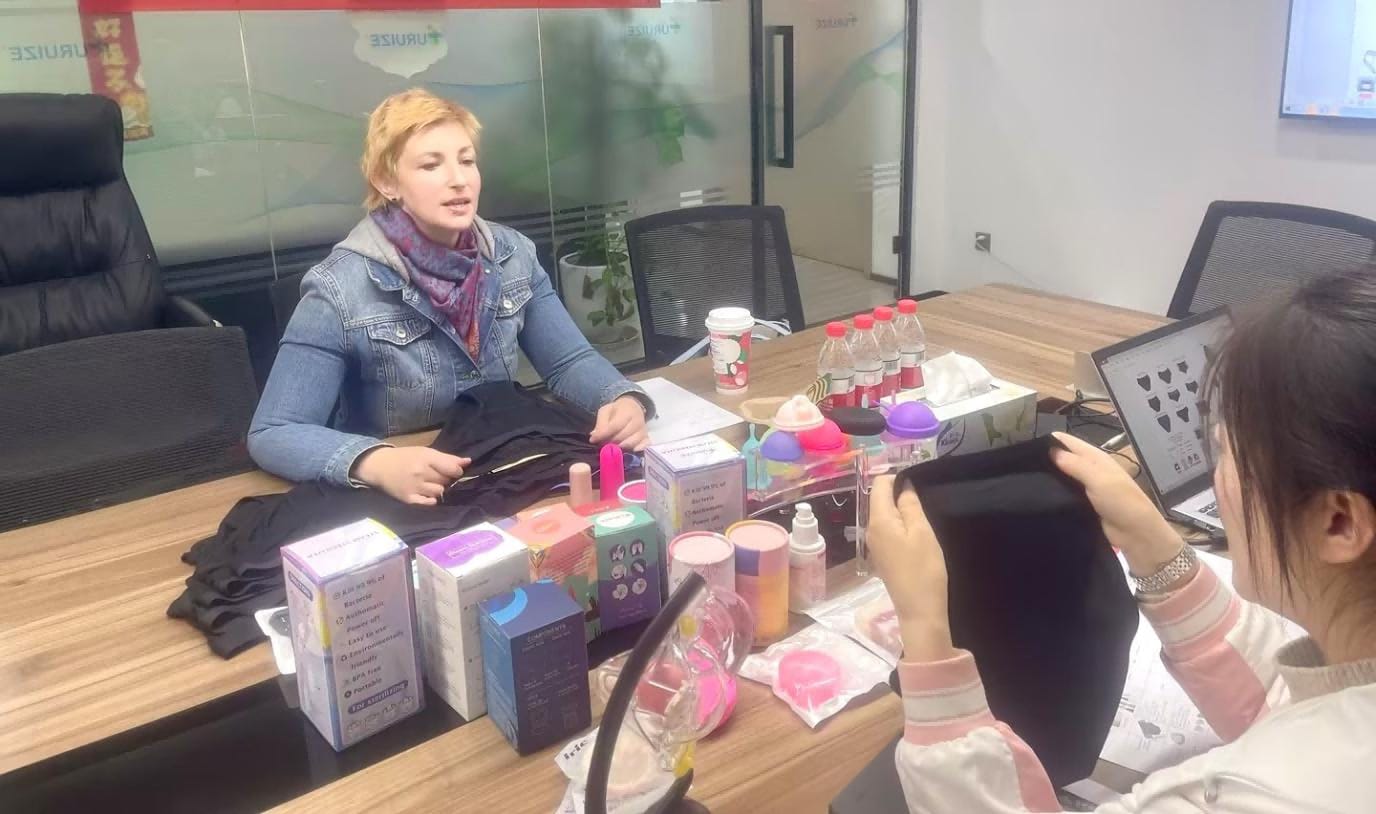
A Visit That Started with Curiosity, Not a Price List
When our Turkish client first reached out, her message was polite but unmistakably serious. She was not asking for a generic catalog dump. She wanted to understand whether Furuize could support a full feminine-care program — menstrual cups, discs, sterilizers, packaging, and period panties — with the kind of manufacturing depth that would survive real market scrutiny in Turkey.
I remember reading that email twice.
At Furuize, we have spent more than thirteen years producing menstrual cups, menstrual discs, sterilizer cups, and related feminine-care products for brands in over sixty countries. We are accustomed to buyers who open with MOQ and FOB price. This inquiry was different. She asked about material grades, sterilizer compatibility, packaging print methods, and whether we could adapt product dimensions for regional preferences without compromising safety documentation.
That told me we were not discussing a one-off shipment. We were being invited into a partnership conversation — one that would eventually bring her to Xi’an, place our full product table in front of her, and end with a decision that still shapes how we serve the Turkish market today.
This article is my account of that visit: the preparation, the meetings, the questions she asked on the shop floor, and the trust we earned before she chose Furuize as her final supplier.
The First Conversations: Understanding What “Full Range” Really Meant
Before anyone booked flights, we spent several weeks in structured email and video discussions. I wanted to understand what her business model looked like — retail, pharmacy distribution, e-commerce, or a hybrid — because the right product bundle depends on how customers actually buy in Turkey.
She explained that her team was building a brand positioned on comfort, transparency, and practical education. Turkish consumers, like buyers everywhere, compare not only price but also packaging clarity, material credibility, and whether a supplier can grow with them from first SKU to full portfolio. She had reviewed samples from other factories. Some cups looked acceptable in photos but carried inconsistent rim finishing or weak documentation. Others offered aggressive pricing but could not explain sterilizer dimensions, pouch materials, or batch traceability with confidence.
What she wanted from Furuize was straightforward:
- A supplier that could cover cups, discs, sterilizers, packaging, and period panties under one quality system
- Clear evidence of medical-grade silicone sourcing and inspection discipline
- Customization support that respected regulatory requirements instead of treating design as decoration
- A factory relationship where she could verify claims in person, not only on a PDF
I shared our certification package — ISO 13485, ISO 9001, FDA registration, CE, Sedex audit, ISO 10993 biocompatibility, REACH, and RoHS — and offered to arrange calls with our production, quality, and design teams. We did not promise that every idea would be easy. We promised that every answer would be traceable to a real process.
That distinction mattered. Over the following month, her questions shifted from “Can you make this?” to “How do you control this?” That is the moment a vendor conversation becomes a partnership conversation.
Samples, Packaging, and the Product Table That Set the Tone
Before the visit, we prepared a sample set aligned to her initial brief: two cup firmness options, a disc prototype, a foldable sterilizer cup, packaging dummies with spot UV and matte film variants, and period panty swatches in the absorbency tiers she requested. We also prepared a comparison sheet listing stem styles, rim profiles, pouch folding methods, and carton sizes so she could evaluate the range as a system, not as isolated SKUs.
Her feedback was detailed.
She liked the softness of one cup option but wanted the stem junction refined for users who trim stems short. She asked whether our sterilizer cup could accommodate both the disc and the cup she preferred without forcing an awkward fold. She studied packaging inserts carefully, noting that Turkish customers often read ingredient and care information multiple times before purchase. She even tested how the retail box fit in a standard pharmacy display depth.
One point still stands out. She placed two competitor samples beside ours and said, “The price difference does not worry me as much as the difference in consistency.” Then she asked to see the exact production traveler for the sample lot in front of her.
Our quality team pulled it within the hour.
That response changed the tone of the project. She stopped evaluating us like a quote on a spreadsheet and started evaluating us like a manufacturing partner she might rely on for years.
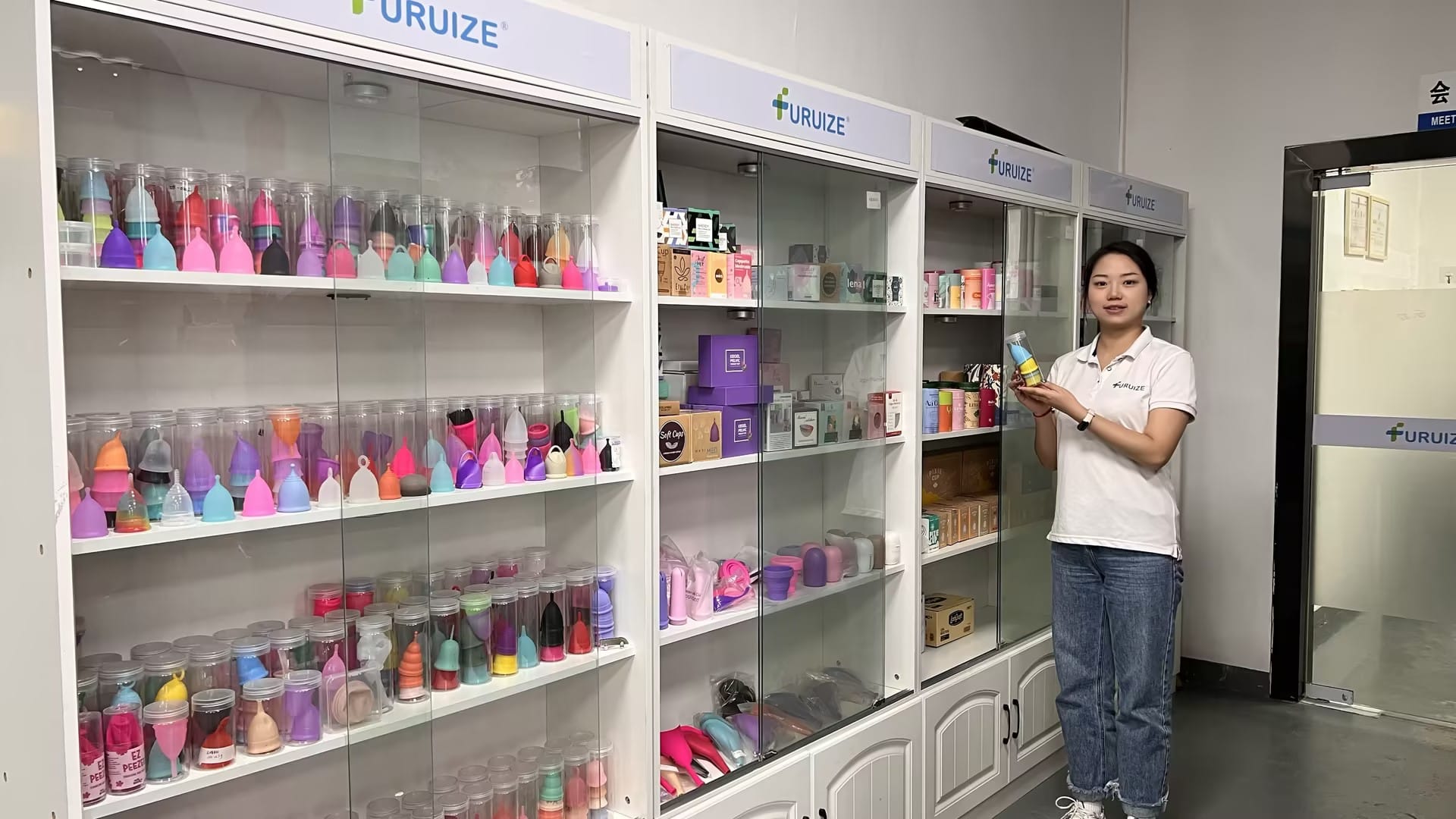
The Day She Arrived: Hospitality Without Theater
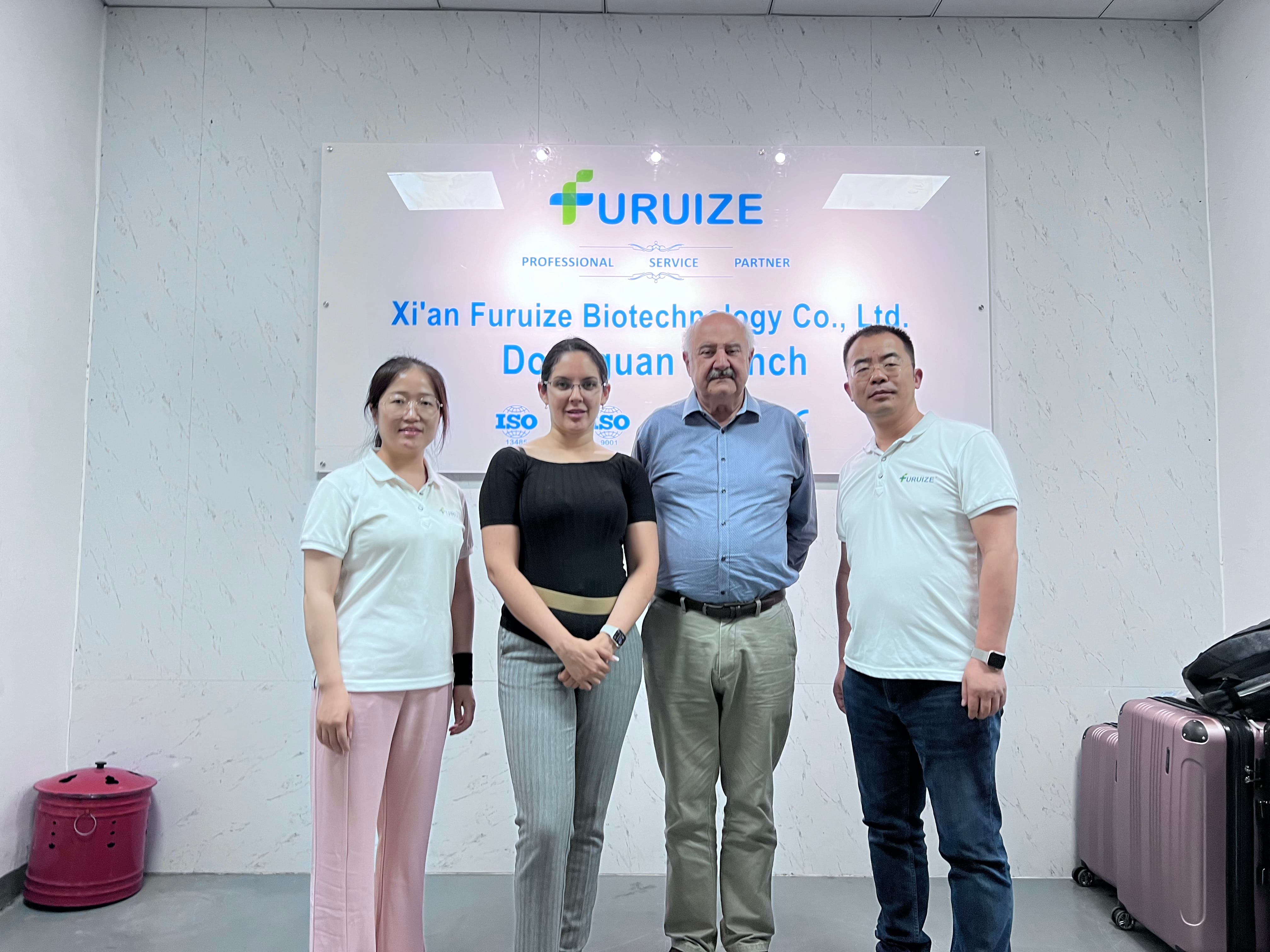
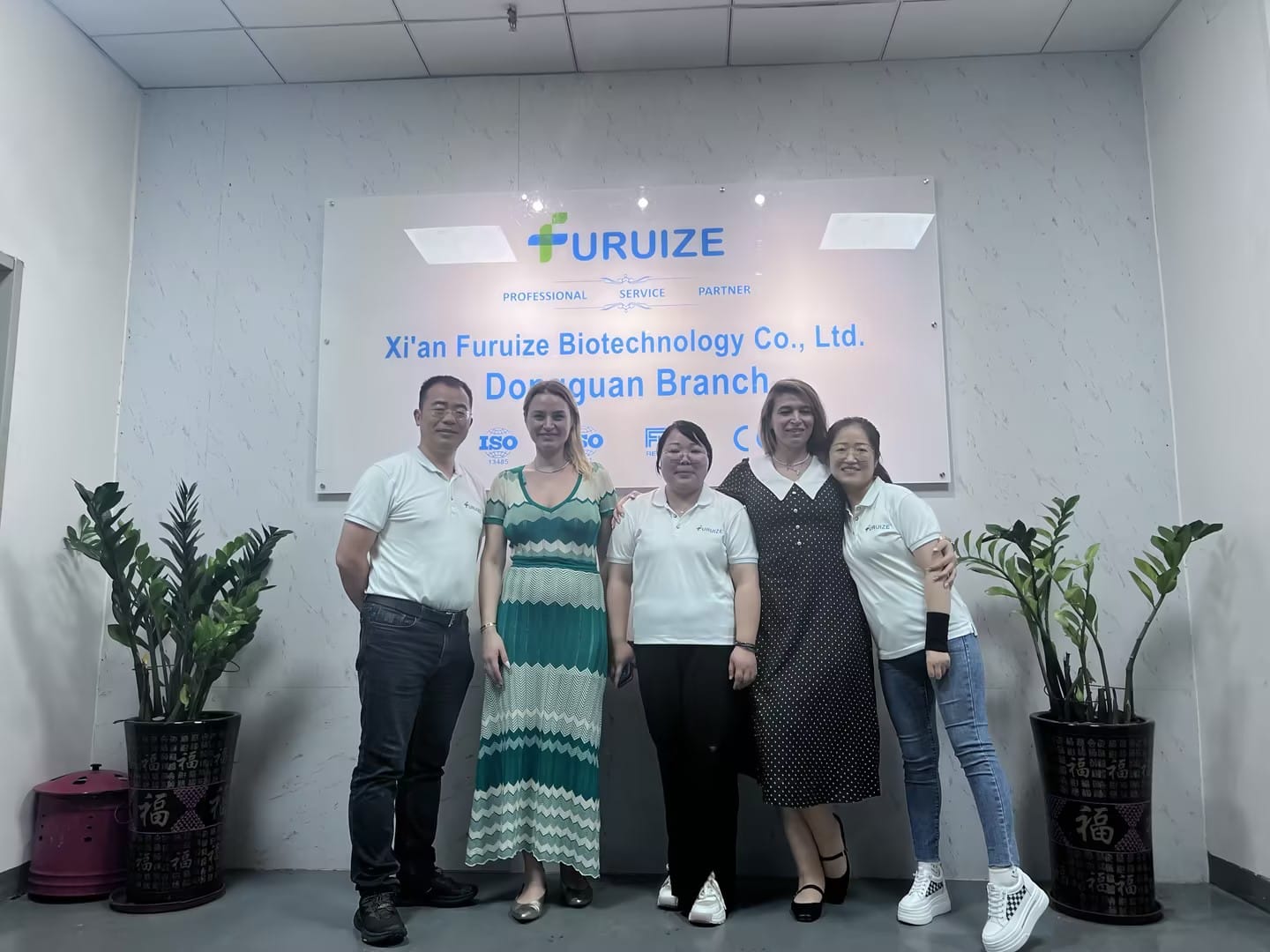
When our Turkish client landed in Xi’an, we treated the visit as working time, not performance time. There were no oversized welcome banners and no scripted speeches. We picked her up, shared a straightforward agenda for the day, and brought her directly into the kind of meetings she had been asking for since the first email.
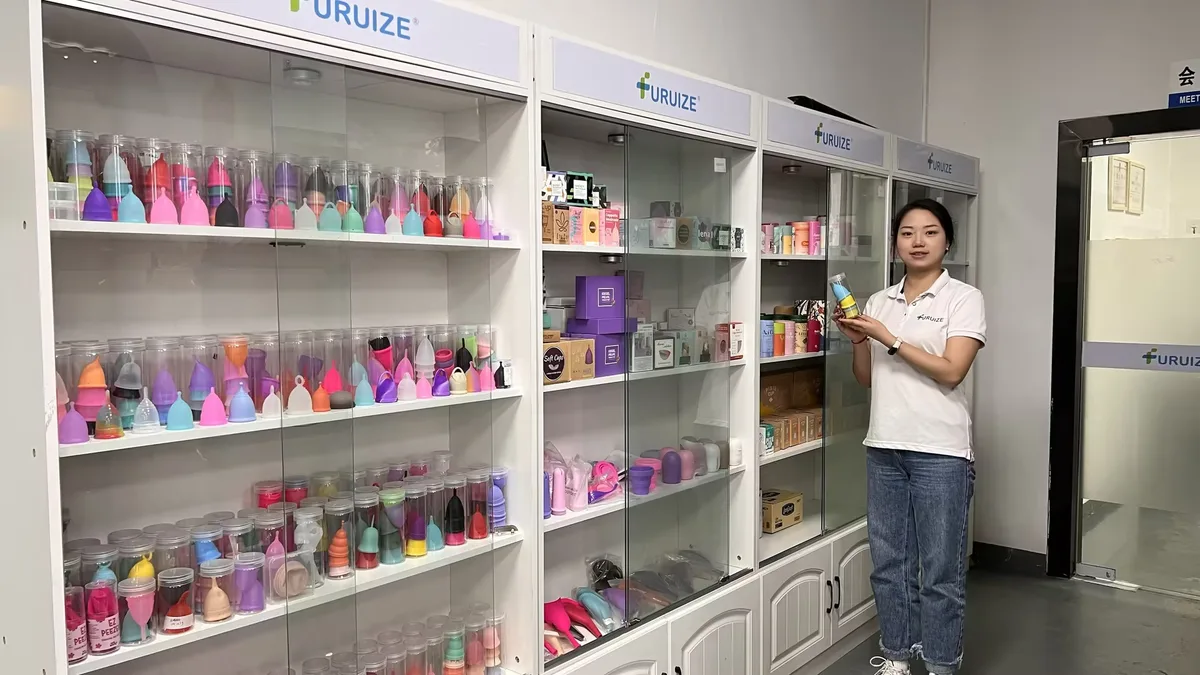
At our product table, she spent nearly an hour handling cups, discs, sterilizer components, and packaging elements side by side. She asked practical questions: How does the pouch fold fit in a handbag? Will this carton survive humidity in summer storage? Can the sterilizer lid vent properly without splatter? Can the disc rim recover shape after compression in transit? These are not showroom questions. They are market questions.
I appreciated that she tested products with her own hands instead of waiting for us to narrate features. At one point she laughed and said, “I have read enough brochures. Today I want to see whether your team knows its own products.” So we stepped back and let our product managers, designers, and quality engineers speak directly.
That was the right call.
Customization Talks: Designing for Turkey, Not for a Template
During the visit, comprehensive discussions took place around customization. Turkey’s market has its own retail rhythms, language requirements, and consumer expectations. A product that works in one country may need recalibrated packaging hierarchy, adjusted insert copy, or a different bundle strategy elsewhere.
Our design team presented multiple paths:
- Cup geometry adjustments for beginner and experienced user segments
- Color palettes that would differentiate shelf variants without complicating pigment control
- Packaging structures that could support both premium gifting and efficient pharmacy distribution
- Sterilizer and accessory pairings that made the starter kit feel complete rather than improvised
She challenged us constructively. Could we reduce inner tray plastic without weakening protection? Could we add Turkish-ready artwork zones while keeping global master dielines efficient? Could period panty sizing align with the brand tone she wanted for the cup line? I pulled our packaging engineer and product designer into the same room rather than promising follow-up slides later.
By the end of that session, we were no longer talking about “customization” in the abstract. We had a prioritized list of development items with feasibility notes, tooling implications, and sample timelines attached to each one.
Quality Control: The Part of the Visit That Matters Most
Every factory can show polished samples. The real question is whether the factory can repeat those samples under production pressure. So we walked her through the parts of our operation that matter most to long-term brand trust.
She saw raw material inbound logging for medical-grade silicone. She reviewed mixing and vacuum deflash discipline. She spent meaningful time in the QC area examining leak-test fixtures, rim-diameter gauges, appearance standards, and batch release binders. She asked how we segregate client molds, how travelers follow each lot, and what happens when a single cup fails AQL inspection.
We did not pretend defects never occur. We showed how they are contained, recorded, and corrected.
Quality control was a major focus of the day, and I am glad it was. Turkish buyers, like Japanese and European buyers, are right to treat feminine-care products as trust products. A brand can recover from a delayed shipment more easily than from a quality surprise in market. Our client understood that, and she asked sharp questions because she planned to put her own name on the box.
I told her something I believe deeply: the factory visit is not a marketing event. It is an audit of whether your supplier’s daily habits match the claims in their brochure.
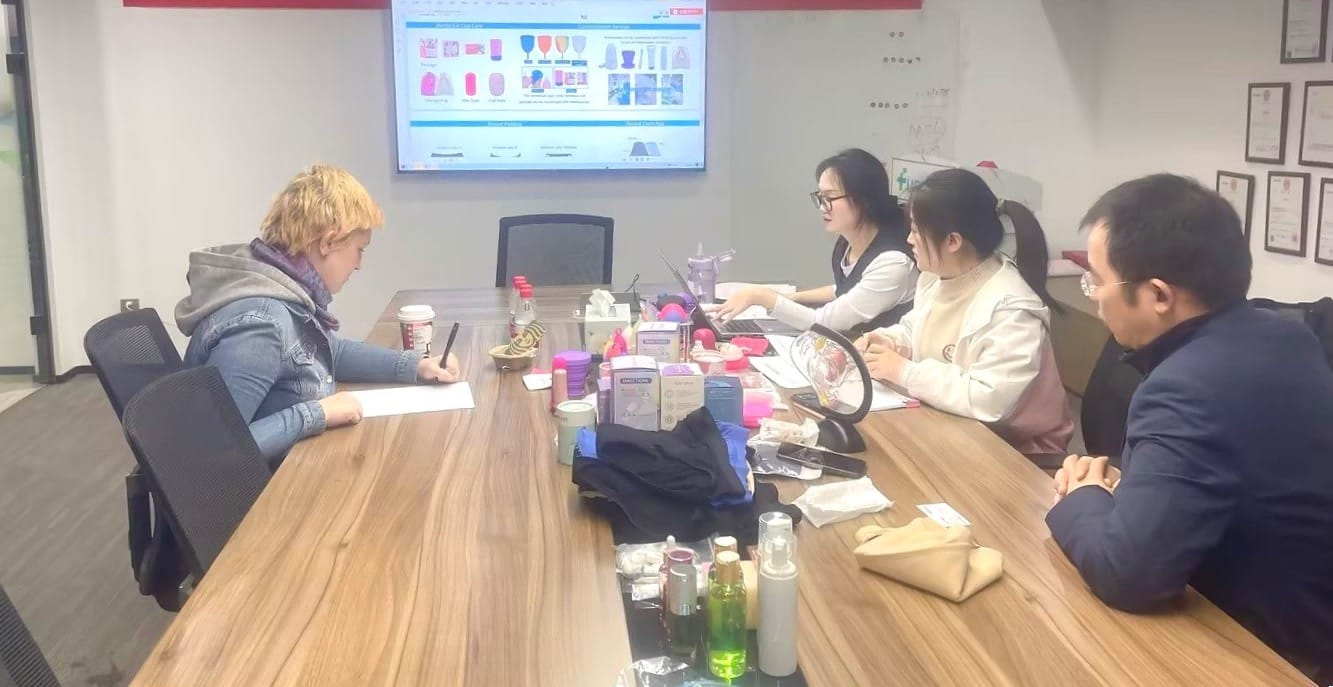
Certifications, Compliance, and Commercial Planning
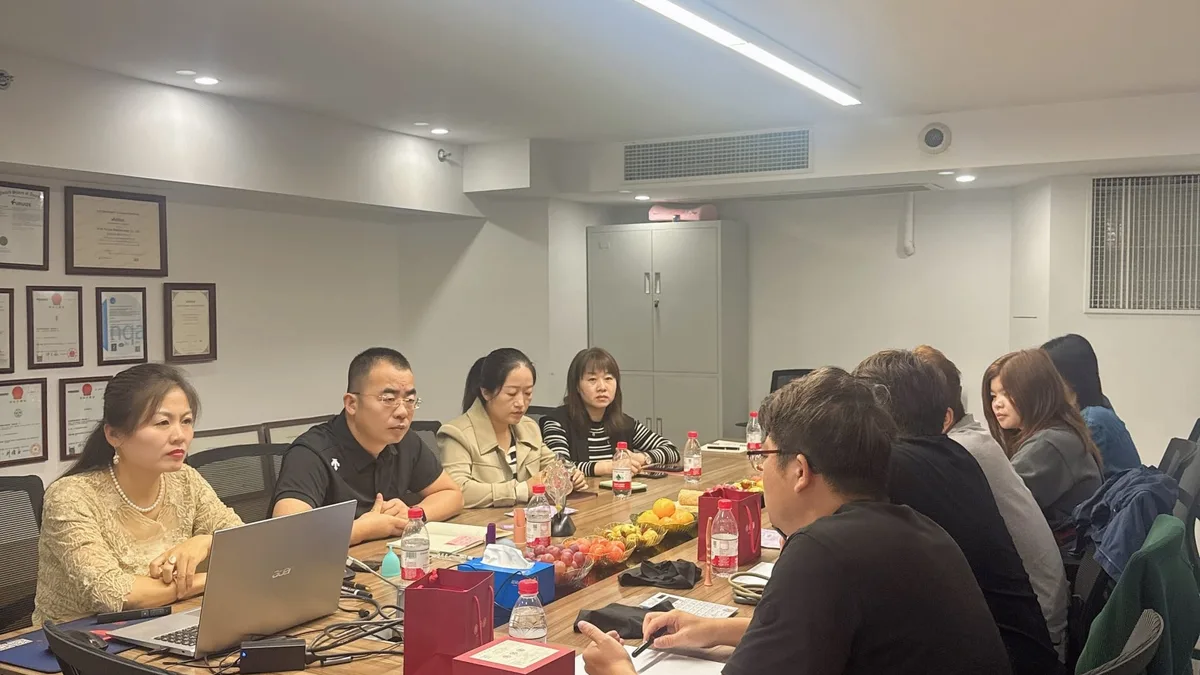
After the technical walkthrough, we moved into the documentation and commercial side of the relationship.
Regarding certifications, we provided detailed information on the international and local certificates relevant to her category and export path. We explained how ISO 13485 scope applies to our production controls, how biocompatibility testing supports material safety claims, and how document packs are organized for brand onboarding and distributor due diligence. She was not simply checking boxes. She wanted to understand which documents would help her sell to retailers and pharmacies with confidence.
In the sales aspect, we discussed potential marketing strategies and distribution channels in Turkey to maximize product reach. That conversation included starter bundle logic, margin structure by SKU, repeat-purchase accessories, and how sterilizer plus cup pairings can improve first-time user success. We also discussed lead-time planning for initial launch versus replenishment, because nothing damages a new brand faster than stockouts after good publicity.
She listened carefully, took notes, and asked for realistic timelines instead of best-case fantasies. That made the planning conversation useful. We left the room with a commercial framework that both sides could execute.
The Decision: Choosing a Final Supplier Is an Act of Trust
After in-depth conversations and on-site inspections, the mood in our meeting room was calm rather than celebratory. The best supplier decisions do not feel like lottery wins. They feel like clarity.
Our client told us she was highly satisfied with what she had seen. She appreciated that we welcomed direct questions, that technical staff spoke with ownership, and that the product range she needed could be developed under one roof instead of being stitched together from unrelated vendors. Then she said the sentence every manufacturing team hopes to earn honestly: she would choose Furuize as her final supplier.
I did not treat that moment as a finish line. I treated it as a handoff from evaluation to execution.
A final supplier decision is not only about product photos and polite meetings. It is about whether the brand believes you will protect their reputation when a production issue appears at the worst possible time. On that day, I believed we had shown enough evidence to earn that trust. The months that followed would still have to prove it.
What Happened After the Visit: From Handshake to Production Rhythm
A visit can open the door. Production discipline keeps it open.
After she returned to Turkey, we moved immediately into structured development:
Phase 1 — Specification freeze
We consolidated the visit notes into a controlled specification sheet: cup and disc dimensions, shore-A targets, stem details, sterilizer fit requirements, packaging dielines, and panty size mapping. Ambiguity is expensive in OEM work. We removed as much of it as possible before tooling conversations advanced.
Phase 2 — Artwork and packaging approval
Her team reviewed insert copy zones, icon usage, and carton strength tests. We provided pre-production packaging samples and documented drop-test results so she could evaluate protection without guessing.
Phase 3 — Sample validation
Revised samples arrived with dimensional reports and material lot references. She tested fit, fold recovery, sterilizer usability, and retail presentation. Where adjustments were needed, we logged them as engineering changes rather than informal favors.
Phase 4 — Launch and replenishment planning
Once approval gates were met, we aligned production slots with her launch calendar and discussed reorder cadence for cups, sterilizers, and secondary SKUs. That planning conversation is where many supplier relationships either mature or fray. We treated it as seriously as the visit itself.
The first shipment left our factory with the same documentation discipline she had reviewed on-site. When she placed a follow-up order, we were not starting from zero. We were building on a documented baseline.
What This Customer Taught Us About Serving Turkey and Nearby Markets
Working with Turkey has sharpened our commercial and technical thinking in ways that benefit other regions too.
Our Turkish partner reminded us that full-range capability only matters if the range is integrated. Buyers do not want a great cup from one workshop, a sterilizer from another, and packaging from a third party with mismatched timelines. They want coherent product logic. That insight now shapes how we propose starter portfolios to new clients.
She also reinforced the importance of plain-language technical communication. Certifications matter, but buyers also need to understand what those certificates mean for shelf claims, after-sales support, and customer education. We improved our onboarding packet so brand teams can translate factory documentation into market-facing confidence more easily.
Most importantly, she reminded us that feminine-care partnerships are personal for the entrepreneurs behind them. Many founders start brands because they want better options for women in their own communities. When they visit a factory, they are not only inspecting silicone. They are deciding whom to trust with a mission they care about deeply.
Why I Share This Story Publicly
Customer stories are often polished into advertising. I wanted to write this one as a record of how a real supplier relationship begins.
We did not earn this partnership by being the loudest factory online. We earned it by answering detailed questions, preparing a substantive product review, opening our quality systems to inspection, and discussing commercial realities without hype. The visit mattered because it replaced assumptions with evidence.
If you are a brand, distributor, or product team evaluating a menstrual cup manufacturer, I hope this story helps you know what to look for:
- Ask whether the supplier can support cups, discs, sterilizers, packaging, and adjacent categories with one quality framework
- Test how the factory responds when you request travelers, not only certificates
- Evaluate customization conversations for regulatory realism, not just visual mockups
- Treat the factory visit as an operational audit, not a photo opportunity
- Choose a final supplier based on whether they can protect your reputation after launch, not only before it
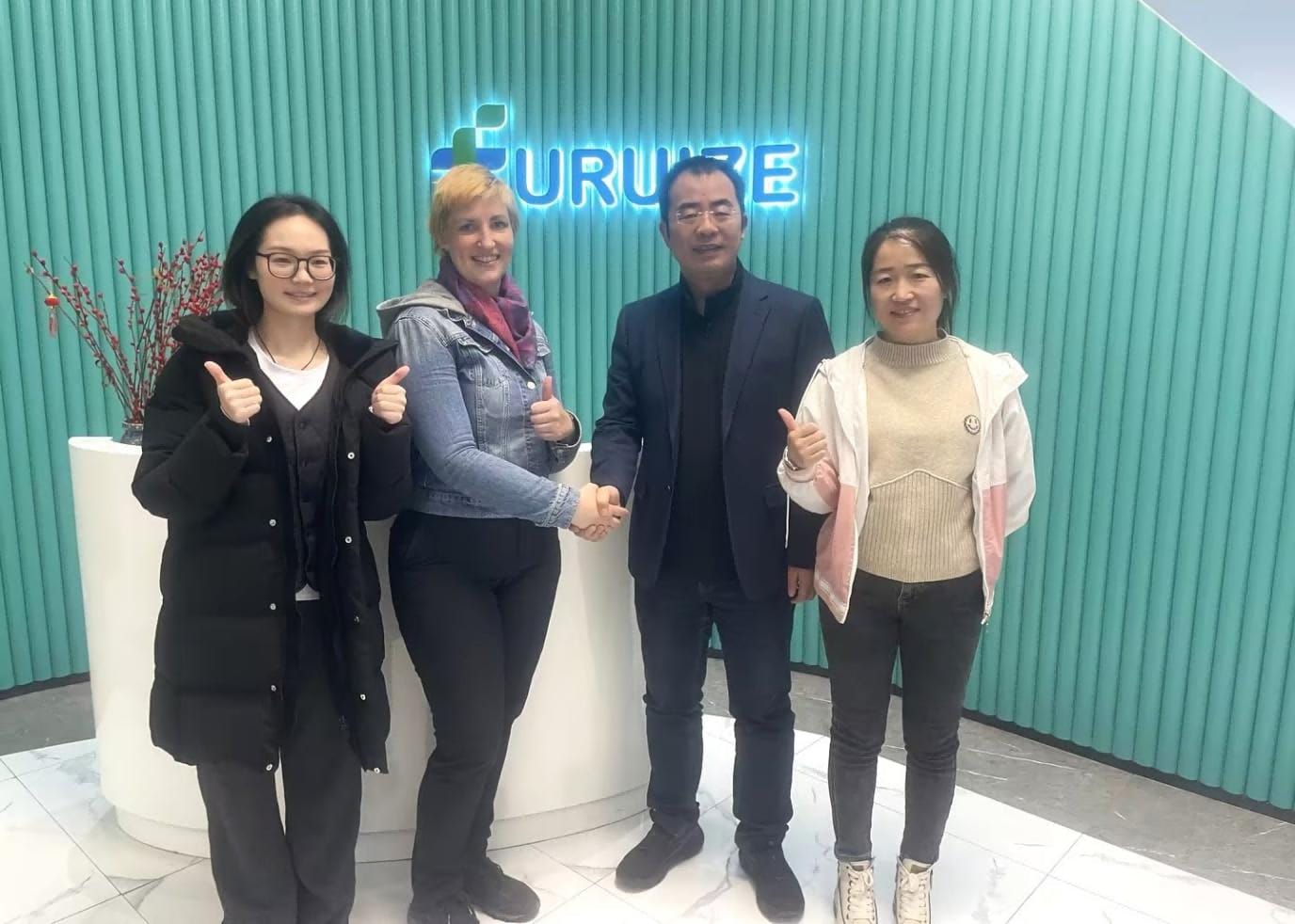
Where We Are Today
Today, our relationship with this Turkish partner remains active and expanding. We continue to refine product specifications, align packaging updates, and plan additional SKUs based on her market feedback. She has become one of the customer stories I mention when new buyers ask, “Have you worked with founders who needed a full-range partner they could verify in person?”
The answer is yes — and this is that story.
If your team is preparing a similar visit, launching a private-label menstrual cup line for Turkey or neighboring markets, or evaluating whether a manufacturer can support long-term growth rather than a single container order, we would be glad to talk. Share your target product specs, quality requirements, and timeline. We will respond with an honest assessment — including what we can launch quickly, what requires tooling, and what should be validated through samples before you book a flight.
Because the strongest customer relationships we have at Furuize were never built on a polished quotation alone. They were built the way this one was: one truthful conversation at a time, until a factory visit turned into confidence, and confidence turned into a partnership we are still proud to deliver every month.
Looking back, her decision to choose Furuize was never only about products on a table. It was about whether our team would stand behind those products with documentation, discipline, and respect for the women her brand serves. That is the standard we continue to hold ourselves to — in Turkey and in every market where our partners place their trust in us.