· Furuize Team · Customer Stories · 10 min read
From First Email to MOU Signing — How We Built a Long-Term Menstrual Cup Partnership with Our Japanese Client
A first-person account of how Furuize welcomed a Japanese business partner, hosted a factory visit, signed an MOU, and launched a customized menstrual cup program built on trust, quality, and regulatory discipline.
A Partnership Story That Started with One Honest Question
When I first opened the inquiry from our Japanese partner, the message was short and direct: they were evaluating menstrual cup manufacturers in China, but they were not looking for the cheapest quote. They wanted a factory they could visit, audit, and build with for years — not a trading company that would disappear after the first shipment.
That single sentence told me everything I needed to know about the kind of customer relationship we were being invited into.
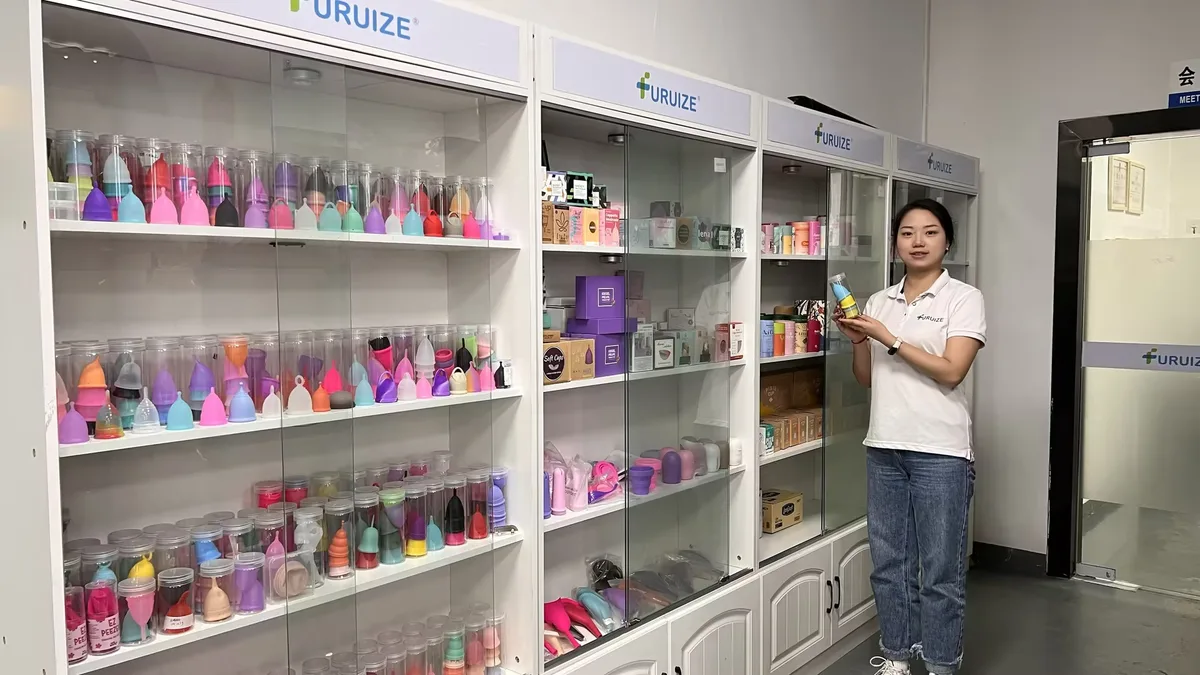
At Furuize, we have spent more than thirteen years manufacturing menstrual cups, menstrual discs, sterilizers, and feminine care products for brands in over sixty countries. We are used to buyers who ask about MOQ, lead time, and unit price within the first five minutes. This conversation was different. Our Japanese contact asked about raw-material traceability, ISO 13485 scope, biocompatibility testing, mold ownership, and how we document batch release before cartons leave the building.
I knew immediately that this was not a one-time order. It was the beginning of a partnership story — one that would eventually bring their team to our facility, lead to a formal MOU signing, and open a customized menstrual cup program for the Japanese market.
This article is my account of that journey: the emails, the samples, the factory visit, the disagreements we worked through, and the trust we earned on both sides.
The First Conversations: Listening Before We Quoted
In the early stage, I resisted the instinct to send a polished catalog and a price list. Instead, I asked our partner what problem they were actually trying to solve.
They explained that Japan’s consumers expect exceptional product consistency, transparent material sourcing, and packaging that feels premium without being wasteful. Their team had already tested samples from other suppliers. Some cups were priced attractively but showed parting-line flash, uneven rim finishing, or silicone odors that failed their internal standard. Others came with impressive marketing PDFs but weak factory documentation.
What they wanted from Furuize was clarity:
- Could we prove medical-grade silicone sourcing and lot traceability?
- Could we support custom mold development without cutting corners on QC?
- Could we walk them through real production, not a showroom tour?
- Could we grow from sampling to stable bulk supply without quality drift?
I shared our certification package — ISO 13485, ISO 9001, FDA registration, CE, Sedex audit, ISO 10993 biocompatibility, REACH, and RoHS — and offered to arrange video calls through our production, quality, and engineering teams. We did not promise perfection on day one. We promised transparency.
That approach mattered. Over the next several weeks, our Japanese partner stopped comparing us only on price and started comparing us on process. That shift is the foundation of every strong OEM relationship we have built.
Samples, Specifications, and the Details That Almost Broke the Deal
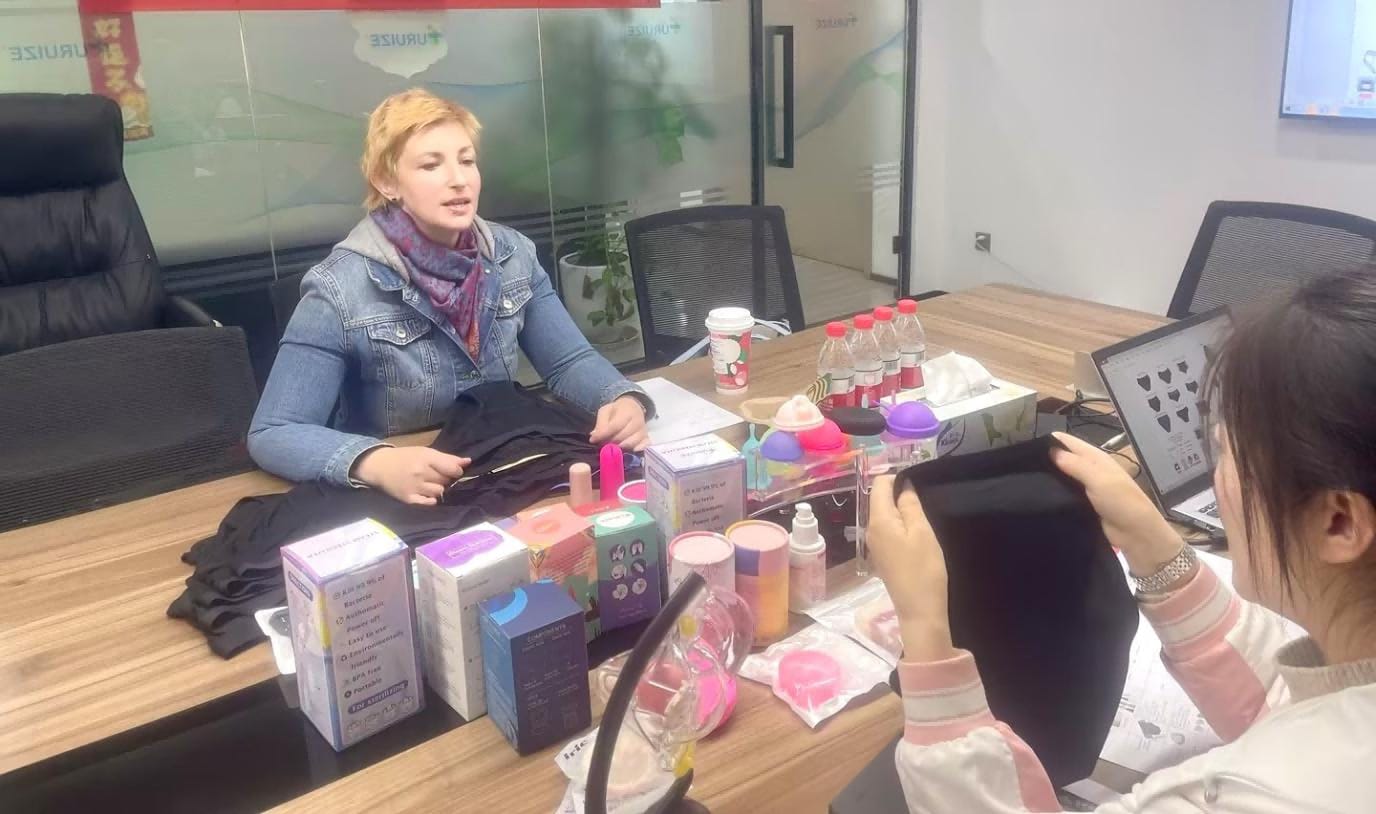
Before any factory visit, we shipped a structured sample package: soft and firm cup variants, alternate stem designs, color chips, packaging dummies, and a marked-up specification sheet in both English and Japanese-friendly formatting.
The feedback came back precise, and at times challenging.
They wanted a softer shore-A option for first-time users, but not so soft that the cup collapsed during insertion. They asked for a stem length adjustment of only two millimeters — a change that sounds minor but affects demolding, inspection fixtures, and user comfort. They requested matte-translucent silicone instead of glossy clear, which required us to refine our pigment dispersion and cure profile to avoid cloudiness.
One email still stands out in my memory. Their product manager wrote that a sample cup passed their visual standard but failed a simple squeeze-recovery test they used internally. The rim took too long to return to shape. Our quality team pulled the exact production traveler, reviewed cure time and post-cure conditioning, and reproduced the issue in-house within forty-eight hours.
We did not argue. We fixed it.
That moment changed the tone of the project. The customer stopped treating us like a vendor and started treating us like an engineering partner. I have learned that in the menstrual cup category, buyers do not only remember your price — they remember whether you take their failure reports seriously.
The Factory Visit: Showing Reality, Not a Performance
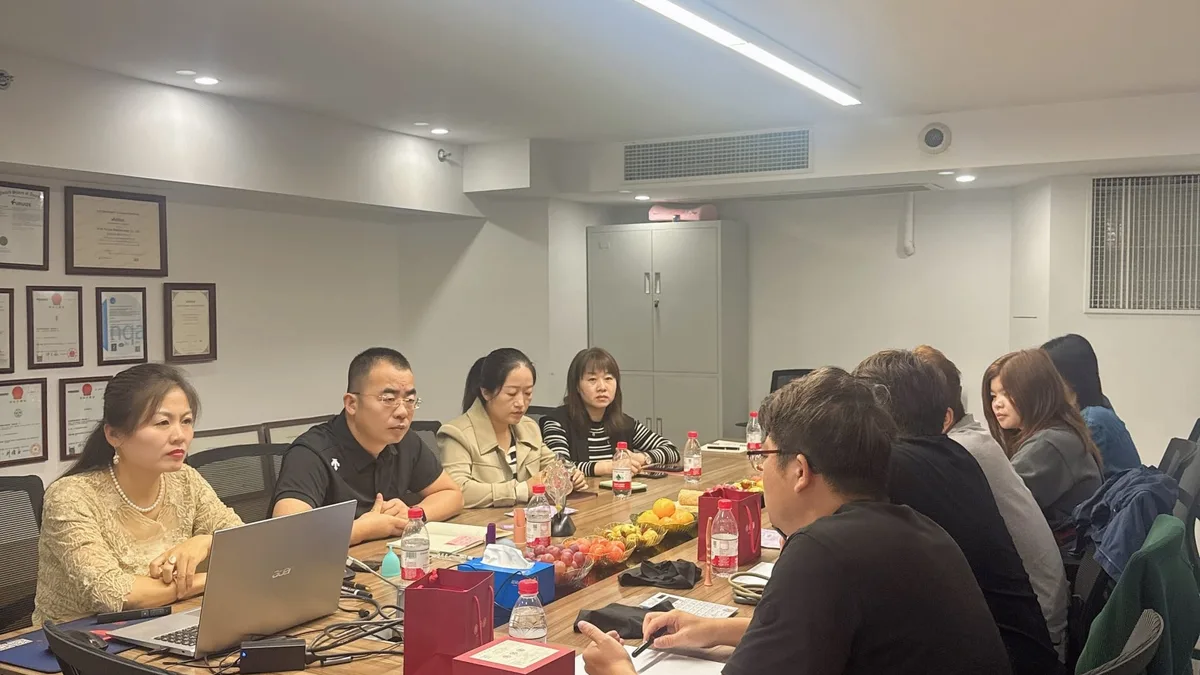
When our Japanese partner confirmed their visit, our entire team treated it as a milestone, not a formality. We prepared a full-day agenda: raw material warehouse, silicone mixing and vacuum deflash lines, clean-room molding, secondary curing, QC lab, packaging area, and document archive.
I met them at the facility entrance early in the morning. There were no banners and no staged speeches. Coffee, safety briefing, name badges, and straight into production.
They noticed things I am proud of and things I knew they would question.
They appreciated that our Wacker medical-grade silicone lots are logged from inbound inspection to finished goods. They spent nearly an hour in the QC room reviewing leak-test fixtures, rim-diameter gauges, and biocompatibility report binders. They asked how we segregate client molds, how traveler tags follow each batch, and what happens when a single cup fails appearance inspection at AQL.
They also challenged us.
Could we shorten certain secondary operations without increasing flash? Could we document packaging seal integrity for export cartons? Could our engineering team explain the draft-angle change they wanted on a new mold concept? I pulled in our tooling manager directly on the shop floor, not in a conference room later.
By lunch, one of their team members told me, in careful English, “This is the first factory visit where we were allowed to see what we asked to see.”
That sentence meant more to me than any compliment on our brochure.
Signing the MOU: A Framework for Long-Term Cooperation
After the visit, there was still work to do. A factory tour can impress, but Japanese buyers rightly expect the commercial and quality framework to be equally solid. Over the following weeks, we aligned on:
- Product development milestones for two cup sizes and one limited color series
- Sampling timelines and approval gates before mass production
- Quality acceptance criteria tied to measurable checkpoints, not vague “good appearance”
- Regulatory document support for their market entry process
- Confidentiality and mold ownership terms
- A communication rhythm across engineering, quality, and commercial contacts
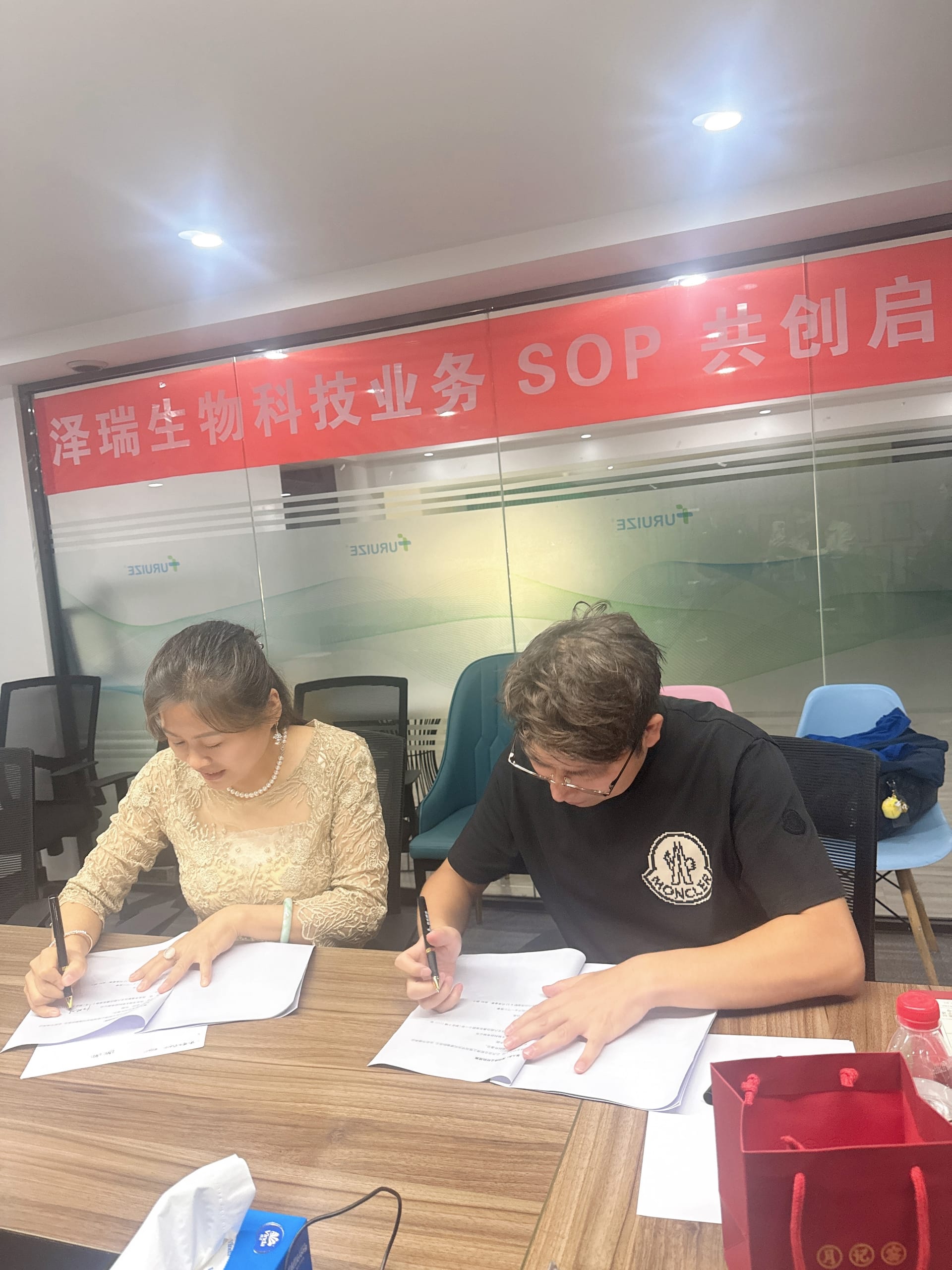
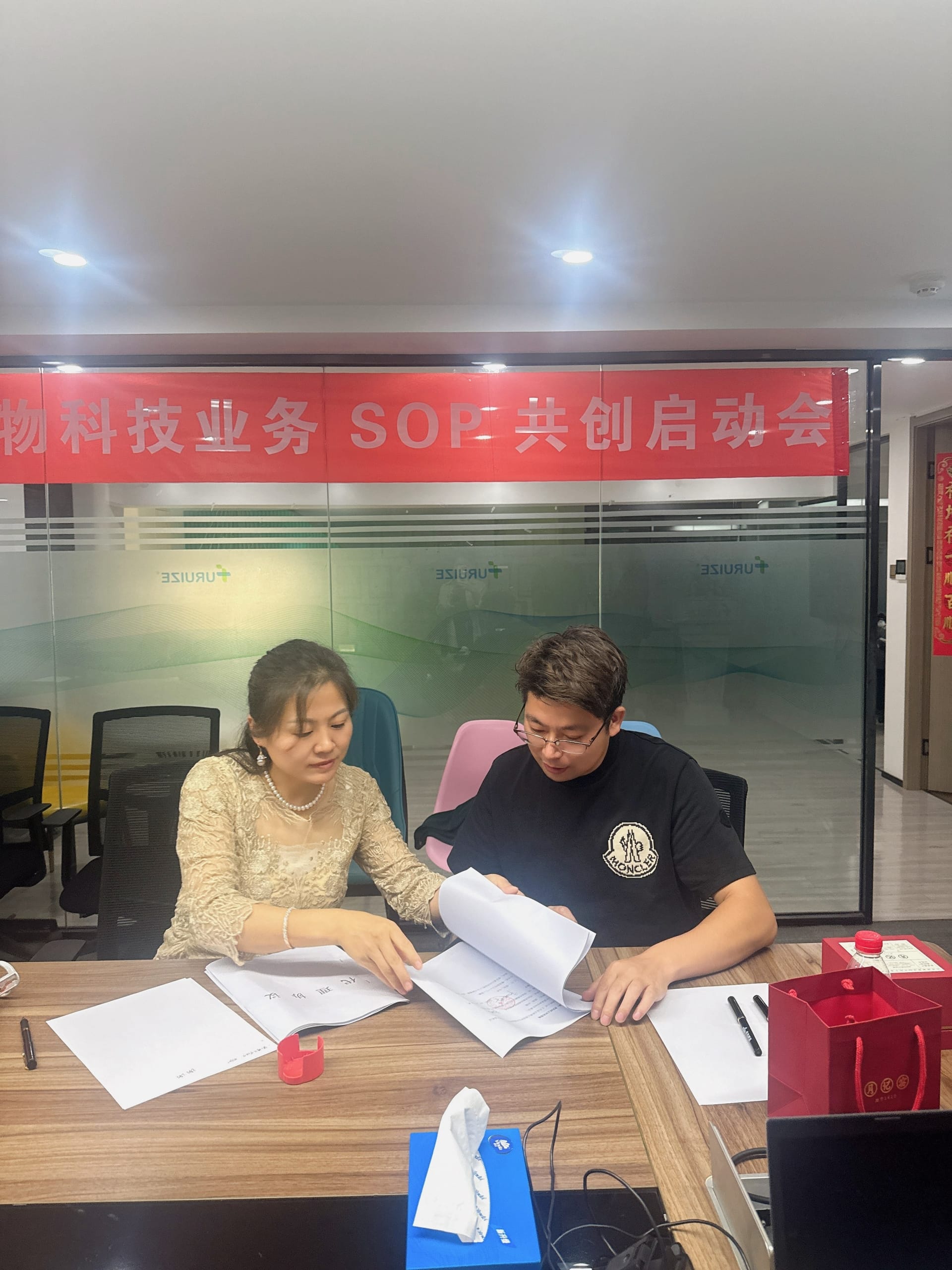
When both sides were ready, we formalized the relationship with a Memorandum of Understanding. I will not pretend the signing ceremony was only symbolic. In our industry, an MOU is a promise in writing that both parties intend to invest time, tooling, and reputation in the same project.
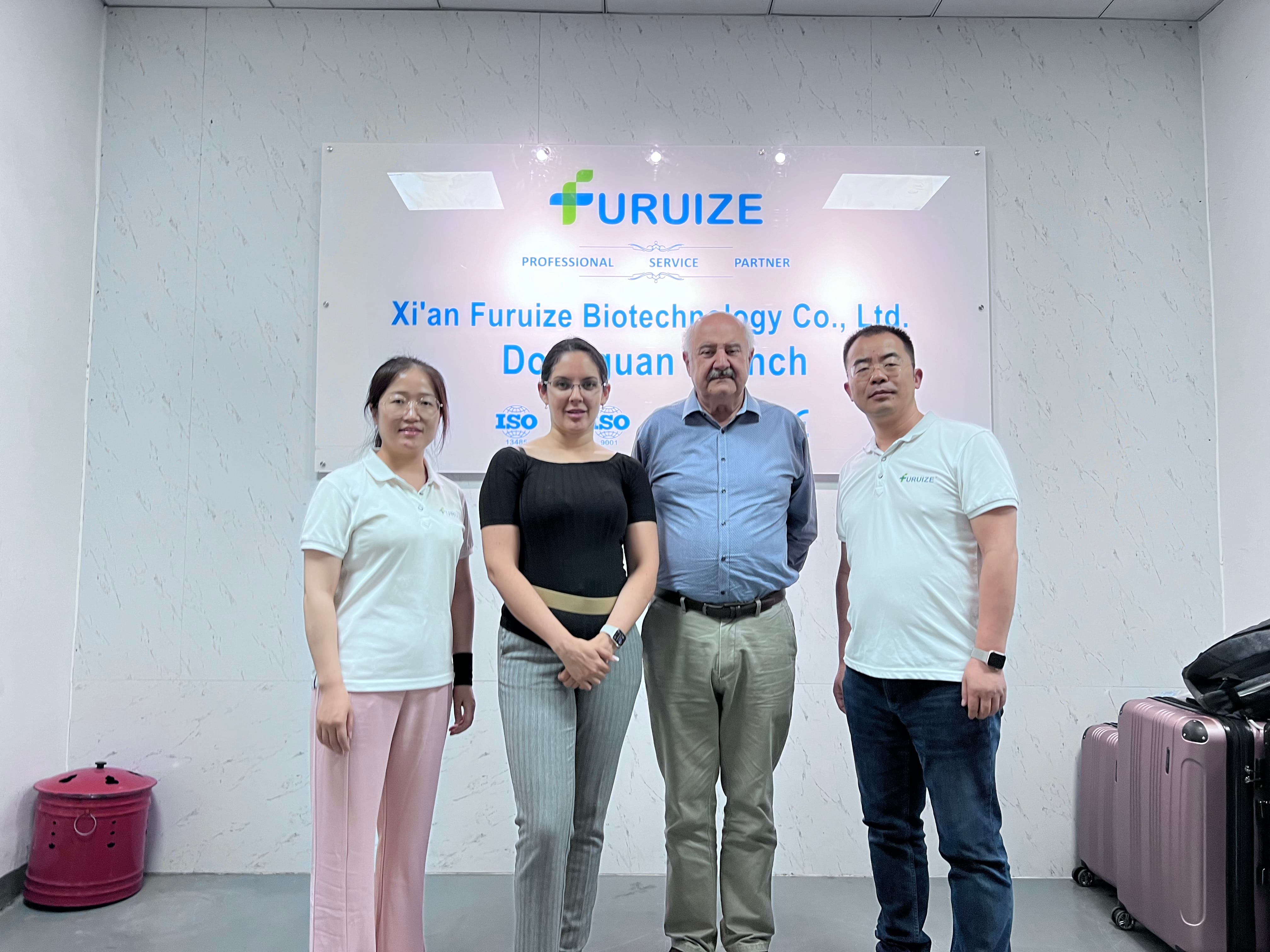
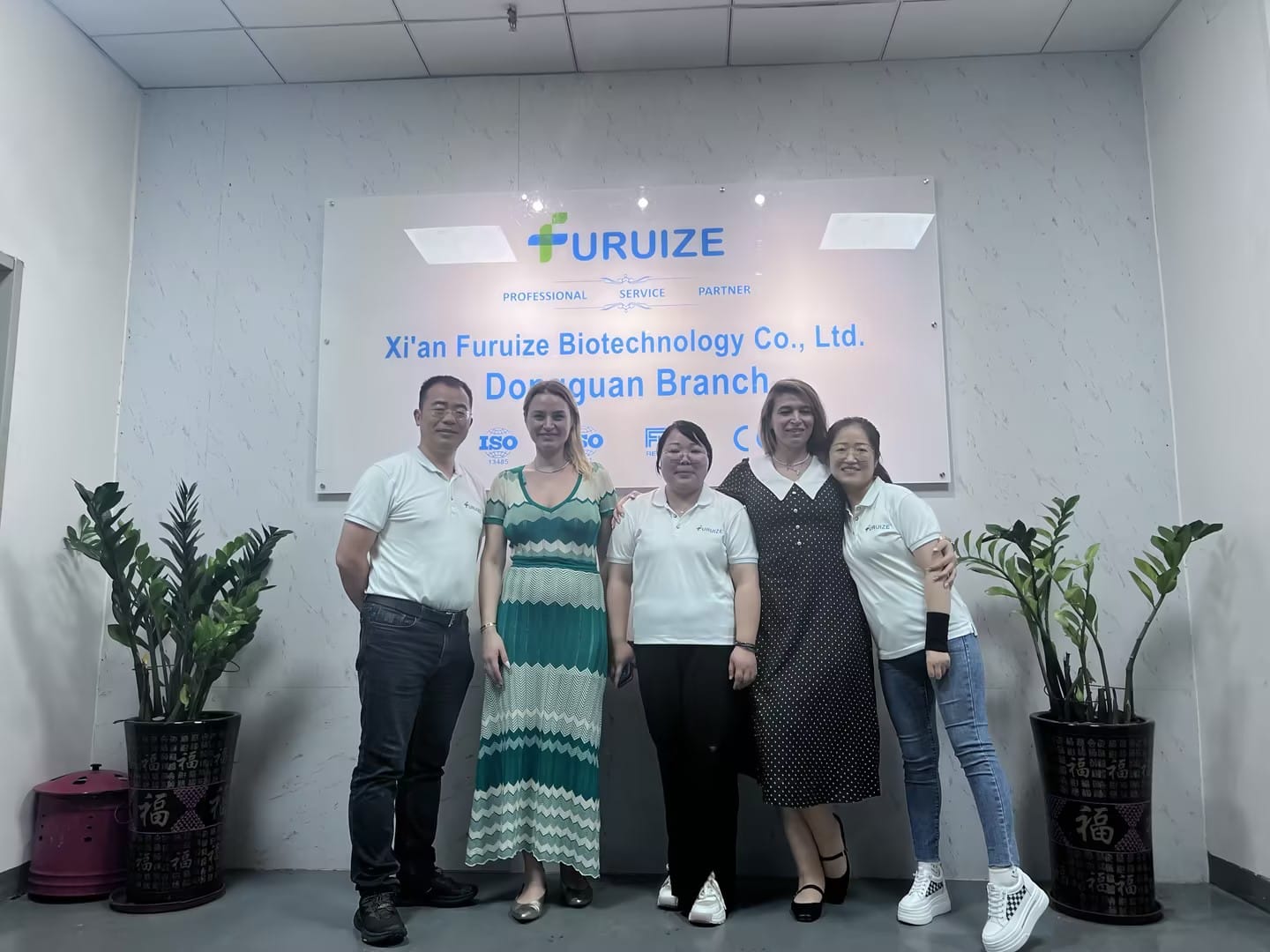
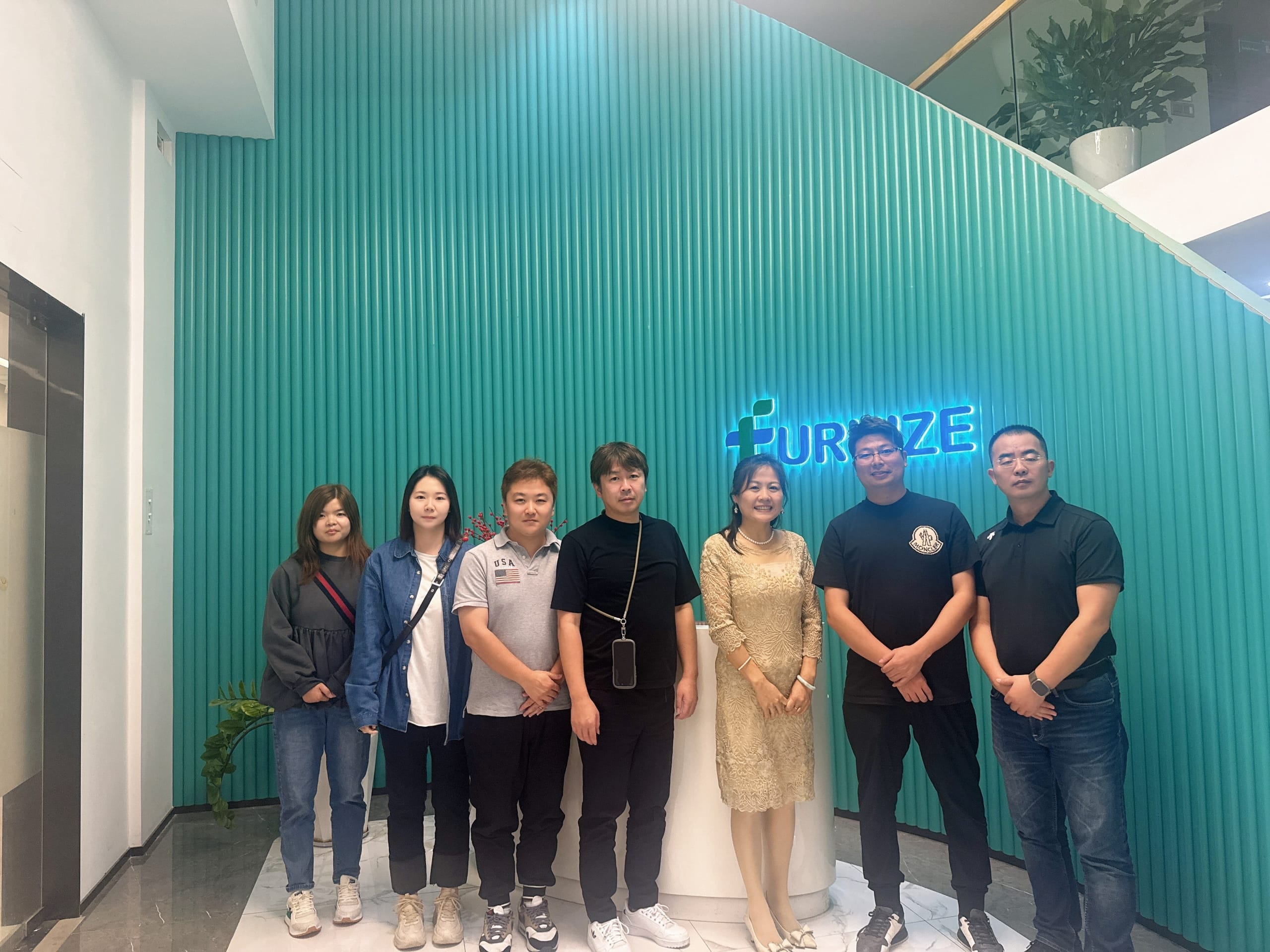
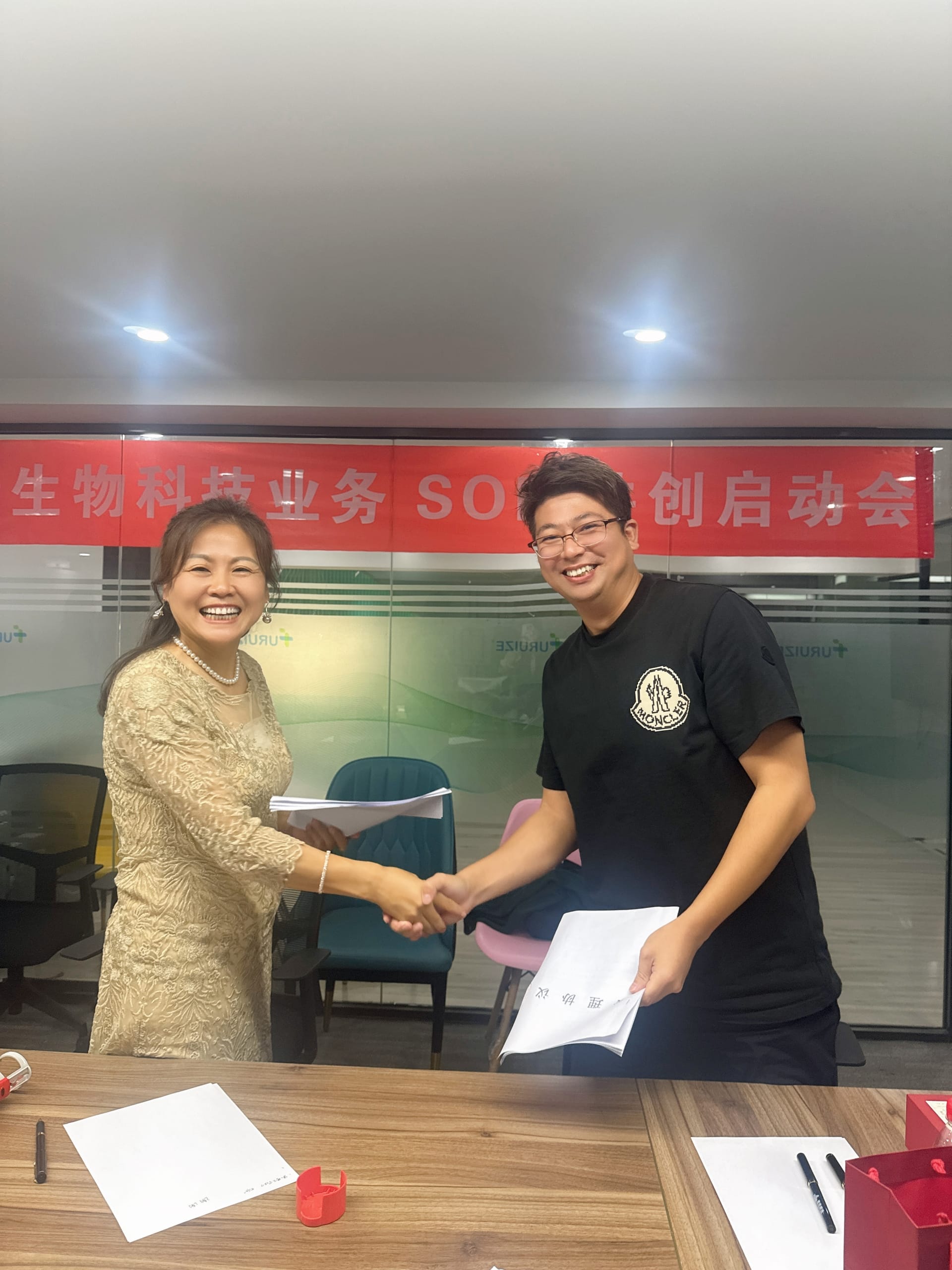
We shook hands, exchanged signed copies, and took the photo that still hangs in our customer project room. Our partner said they chose Furuize because we were willing to be evaluated in person and because we responded to difficult questions with process data instead of slogans.
I believed them because that is exactly how we want to be chosen.
Turning Commitment into Production: What Happened After the Handshake
An MOU is only the beginning. The real partnership starts when tooling deposits are paid, molds are cut, first articles are measured, and a buyer has to explain your product to their own customers.
For this project, we moved in disciplined phases:
Phase 1 — Engineering confirmation
Our tooling team issued drawings for rim geometry, stem junction, and vent-hole placement. The customer returned annotated feedback within days. We held nightly video reviews for two weeks until every critical dimension was frozen.
Phase 2 — T1 and T2 samples
First-article cups arrived with full dimensional reports. The Japanese team tested fit, fold recovery, and packaging insertion. T2 improved stem flexibility and adjusted the pouch folding method to reduce crease marks.
Phase 3 — Pilot run
Before the first bulk order, we ran a pilot lot on the approved press recipe. QC logged rim thickness, parting-line burr height, and color consistency across cavities. Only after that lot passed did we release the mass-production traveler.
Phase 4 — Stable supply
The first container left our factory with batch documents, inspection records, and packaging specs aligned to what the customer had approved on-site. When they placed a repeat order three months later, they did not renegotiate from zero. They asked for capacity planning and secondary SKU expansion.
That repeat order was the moment I knew the relationship had graduated from project to partnership.
What This Customer Taught Us About Serving Japan
Working with Japan has sharpened our company in ways that benefit every market we serve.
Our Japanese partner pushed us to make implicit factory habits explicit. Questions that once lived only in the experience of senior inspectors are now written into traveler checks. Packaging discussions that used to end at “box looks fine” now include drop-test photos and seal integrity notes.
They also reminded us that communication culture matters. A delayed “no” is more damaging than a fast “here is the issue and here is the correction plan.” We rebuilt our project update template for international clients: current status, risks, next gate, owner, and evidence attachments.
Most importantly, they reinforced our belief that menstrual cups are healthcare-adjacent products, not generic silicone goods. Users trust brands with their bodies. Brands trust manufacturers with their reputations. Manufacturers must earn that trust every month, not only during the first sale.
Why I Share This Story Publicly
Customer stories are often written as polished marketing. I wanted to write this one differently — as a record of how a real partnership is built.
We did not win this Japanese client because we were the loudest factory on the internet. We won because we answered hard questions, welcomed an unscripted factory visit, corrected sample failures quickly, and signed an MOU only after both sides understood the work ahead.
If you are a brand, distributor, or product team evaluating a menstrual cup manufacturer, I hope this story helps you know what to look for:
- Ask to see mold ownership and batch traceability, not only certificates on a slide deck.
- Test whether the factory invites engineering and quality staff into the conversation early.
- Evaluate how the supplier responds when a sample fails — that is when vendor behavior becomes partnership behavior.
- Treat an MOU or development agreement as the start of operational discipline, not the finish line.
Where We Are Today
Today, our relationship with this Japanese partner is active and expanding. We continue to refine cup variants, review QC data together, and plan additional SKUs based on their market feedback. They have become one of the customer stories I mention when new buyers ask, “Have you worked with brands that care deeply about process?”
The answer is yes — and this is that story.
If your team is preparing a similar factory visit, developing a private-label menstrual cup line, or evaluating whether a manufacturer can support long-term growth in Japan and beyond, we would be glad to talk. Share your target product specs, quality requirements, and timeline. We will respond with an honest assessment — including what we can do now, what needs tooling, and what should be validated through samples first.
Because the best customer relationships we have at Furuize were never built on a single quotation. They were built the way this one was: one truthful conversation at a time, until both sides were ready to sign not just a purchase order, but a shared plan for quality, delivery, and trust.
Looking back, the MOU was never the end of the story. It was the point where both teams agreed to share the same standard — in the inspection room, on the production line, and in the weekly project updates that still continue today. That is the kind of customer partnership we are proud to document, and the kind of manufacturing relationship we hope to keep building for years to come.