· Furuize Team · Sourcing Guide · 6 min read
Feminine Hygiene Products Wholesale Suppliers — Adding Menstrual Cups to Your Product Line
B2B guide for sanitary napkin and tampon wholesalers expanding into reusable menstrual cups — disposable vs reusable portfolio strategy, femtech sourcing, OEM MOQ, and margin logic.
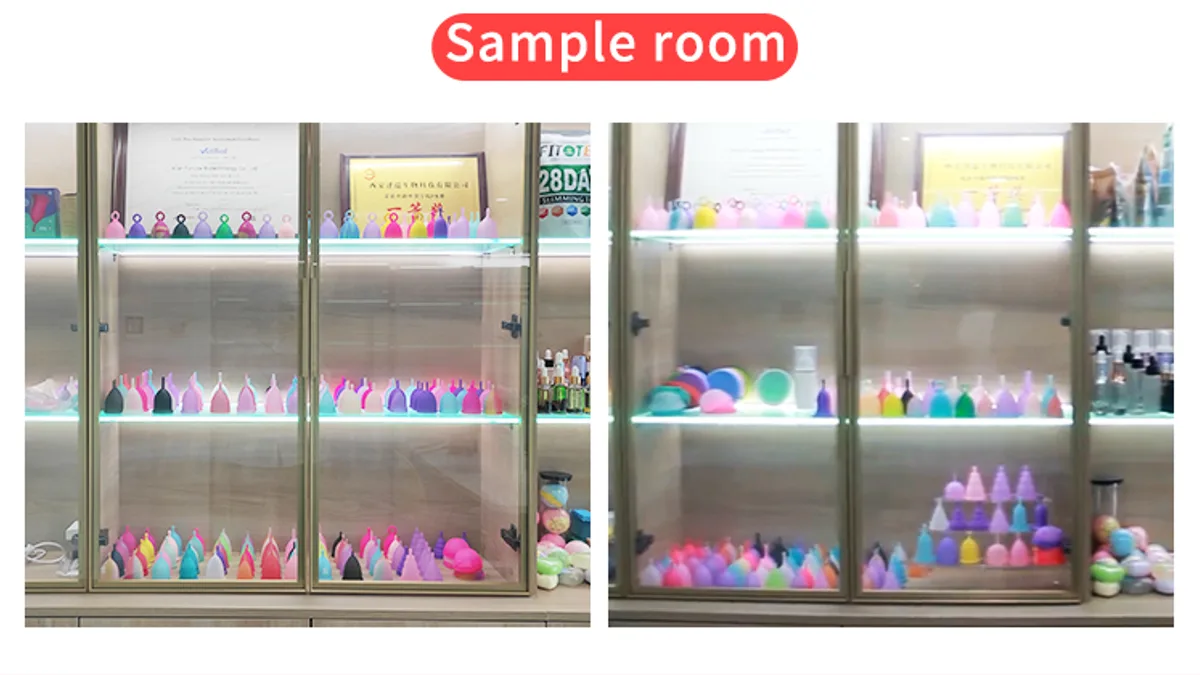
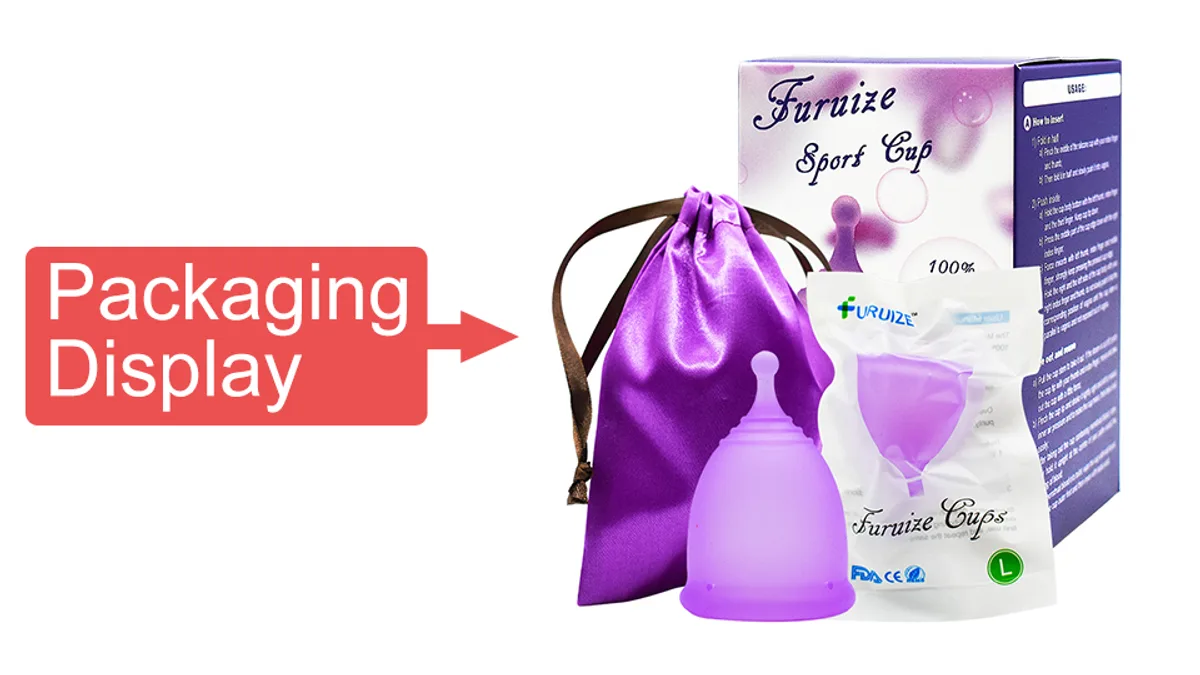
Sanitary napkin distributors, tampon wholesalers, and private label feminine care manufacturers are under the same commercial pressure in 2026: recurring disposable volume is stable, but expand feminine care product line eco-friendly roadmaps demand a reusable hero SKU. Feminine hygiene products wholesale suppliers who add a medical grade silicone period cup bulk program capture femtech margin, ESG retail listings, and B2B accounts that tampon-only catalogs cannot win.
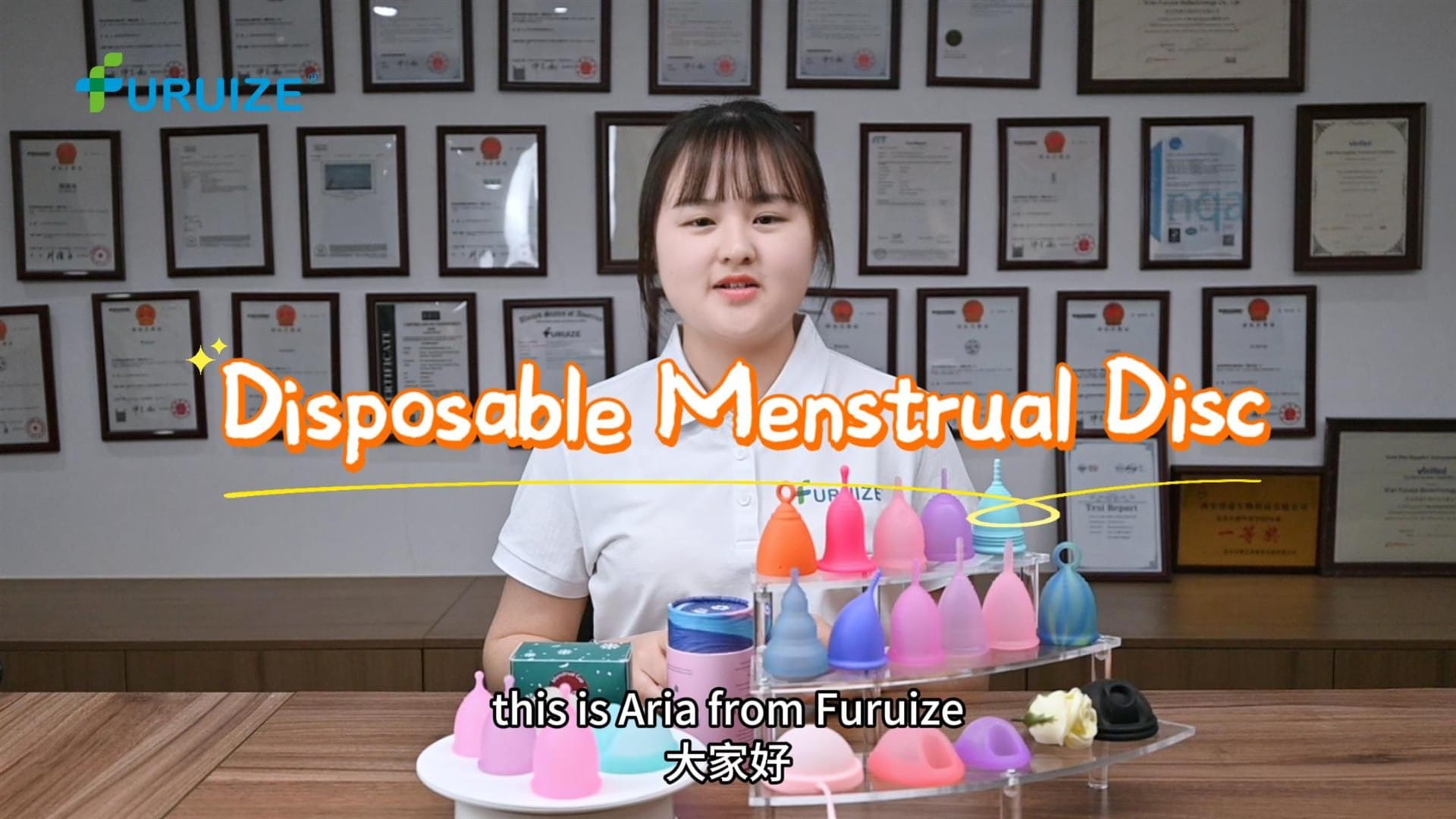
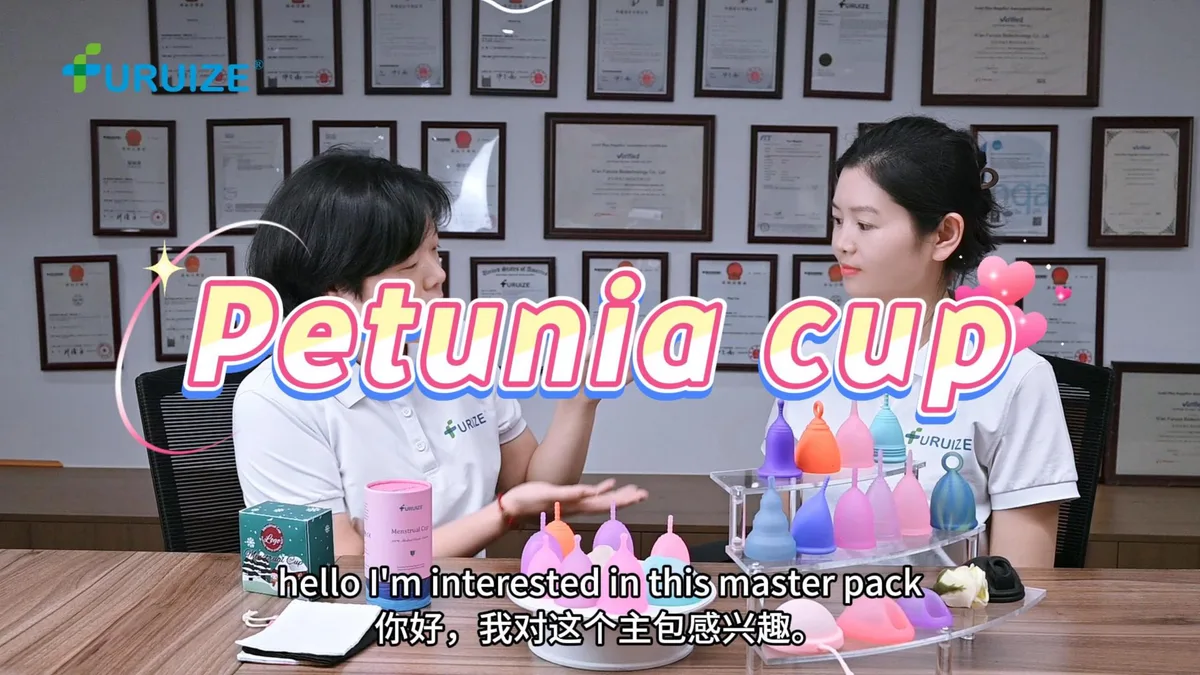
This article is for B2B procurement managers, brand owners, and wholesale buyers planning menstrual cup line extensions — not consumer insertion tutorials. Xi’an Furuize Biotechnology Co., Ltd. supplies OEM/ODM menstrual cup factory programs alongside global distributors building next-gen menstrual hygiene products wholesale assortments.
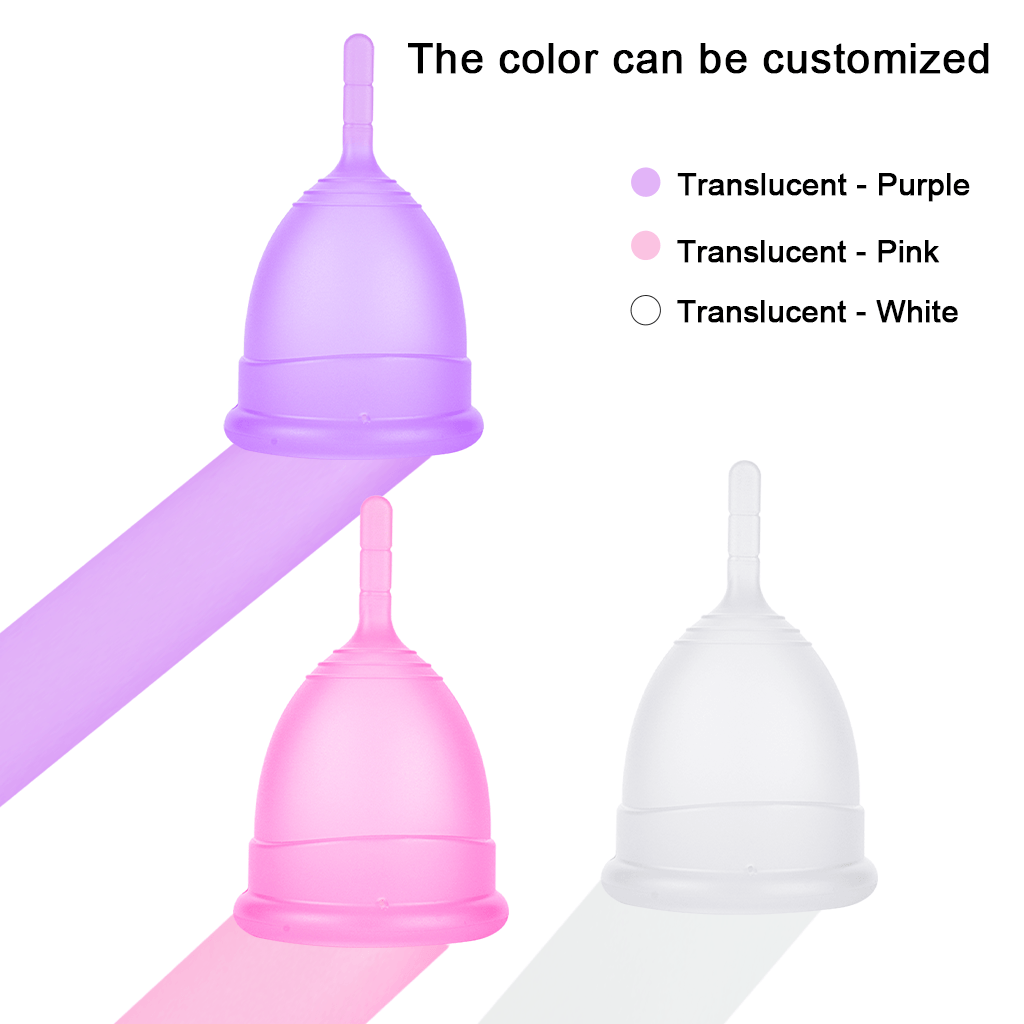
Why Traditional Feminine Care Wholesalers Are Adding Cups
Three market signals explain why sanitary napkin manufacturer add menstrual cup projects moved from pilot to standard assortment planning:
- Retail shelf evolution — Grocery, pharmacy, and club channels now allocate facings to reusables. Buyers expect feminine hygiene products wholesale suppliers to offer tampon and cup options under one PO relationship.
- Femtech positioning — DTC brands reframed period care as health tech. Wholesale incumbents need a femtech product sourcing story to defend against challenger brands with higher perceived innovation.
- Margin structure shift — Disposables drive replenishment; reusables drive upfront basket value and private-label stickiness. A credible tampon alternative wholesale SKU diversifies revenue without abandoning core pad/tampon lines.
The goal is portfolio balance: disposables for habit buyers, reusables for eco and cost-conscious segments — under one trusted private label feminine care manufacturers umbrella.
Disposable vs. Reusable Portfolio Strategy
Procurement teams should model shelf logic before signing an OEM contract. Use this framework in buyer meetings and line-review decks:
| Dimension | Disposable (pads/tampons) | Reusable menstrual cup | Wholesale implication |
|---|---|---|---|
| Purchase frequency | Monthly replenishment | One-time + accessories | Cups lift AOV; disposables drive repeat |
| SKU count | High (absorbency × size × format) | Lower (size + material variants) | Cup line simplifies warehouse pick paths |
| Margin profile | Volume-driven, price-competitive | Higher unit margin at wholesale | Cup can subsidize commodity disposable bids |
| Regulatory burden | Varies by market | Medical device pathway in EU/US | Partner with ISO 13485 factory early |
| ESG narrative | Waste per cycle | Near-zero after purchase | Retailers request reusables for sustainability aisles |
| Education need | Low (familiar) | Moderate (sizing, sterilization) | Bundle IFU + retailer training PDFs |
Shelf placement logic: Position cups adjacent to tampons as the tampon alternative wholesale option — not in a separate “green” ghetto. Cross-merchandise sterilizer cups and dual-size kits beside super-absorbency tampon blocks. Reference our cup vs tampon corporate benefits guide for ROI language that resonates with B2B accounts.
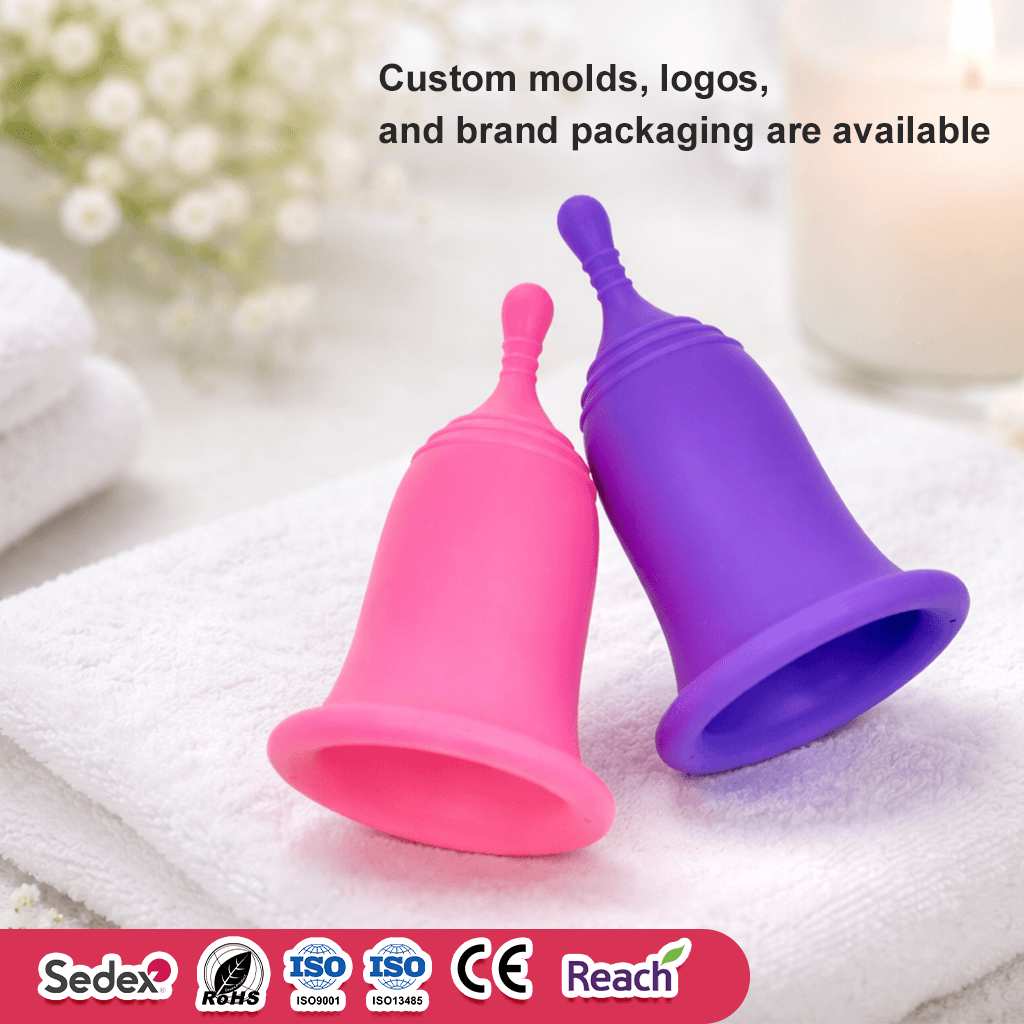
OEM Sourcing Checklist for Line Extensions
When evaluating an OEM/ODM menstrual cup factory, apply the same rigor you use for absorbent product audits — with added device-class discipline.
Step 1: Material and compliance baseline
| Requirement | What to verify | Why wholesalers care |
|---|---|---|
| 100% medical-grade LSR | Wacker or equivalent COA per lot | Brand continuity with premium feminine care |
| ISO 13485 QMS | Scope includes feminine device manufacturing | Repeatable production for multi-market labels |
| ISO 10993 biocompatibility | Full panel index | Skin-contact intimate device standard |
| CE / FDA pathway clarity | Technical file or 510(k) strategy per market | Avoid retail delisting after launch |
| REACH / RoHS | Lot-matched chemical panels | EU and marketplace compliance gates |
Furuize operates under ISO 13485 with silicone material traceability — the same LSR competency required for medical grade silicone period cup bulk programs at wholesale scale.
Step 2: SKU architecture for wholesale
| SKU tier | Typical contents | MOQ note |
|---|---|---|
| Entry single cup | One size + pouch + IFU | Lowest risk line test; 500+ units/SKU |
| Dual-size kit | S + L cups + case | Reduces sizing returns; hero wholesale SKU |
| Cup + sterilizer bundle | Cup + collapsible sterilizer | Higher margin; pairs with pad/tampon endcaps |
| Private label starter | Custom color + logo + box | Mold/color premiums at 1,000+ depending on spec |
See wholesale programs and private label OEM for catalog options.
Step 3: Packaging and logistics
Wholesale feminine care buyers should specify:
- Shelf-ready cartons with EAN/UPC per market
- Multi-language IFU (minimum: EN + market language)
- Master carton dims aligned with existing feminine care freight contracts
- FSC or recycled board if retail buyers require eco packaging
Margin and Pricing Logic (Illustrative)
Use this template when modeling feminine hygiene products wholesale suppliers economics — adjust for your channel and currency:
| Metric | Disposable tampon (wholesale) | Menstrual cup (wholesale) |
|---|---|---|
| Unit wholesale price | $0.08–$0.15 / tampon | $4–$8 / cup (volume dependent) |
| Units per customer/year | 200–400 | 1 (plus 0.2 accessory attach) |
| Annual revenue per account | $16–$60 | $4–$10 + accessories |
| Gross margin % | 15–25% typical | 35–50% typical |
| Replenishment dependency | High | Low (accessories only) |
Cups do not replace disposable volume dollar-for-dollar in year one — they defend account relationships with retailers demanding full-category solutions and femtech product sourcing credibility.
Femtech and Next-Gen Positioning
Next-gen menstrual hygiene products wholesale is not a buzzword — it is how buyers describe assortments that combine:
- Reusable collection devices (cups/discs)
- Data-aware education (QR-linked IFU, sizing apps white-labeled)
- ESG metrics for corporate and retail reporting
Wholesalers who only stock rayon tampons and fluff pulp pads risk exclusion from RFPs that explicitly require reusable options. Position your cup line as the expand feminine care product line eco-friendly anchor — supported by third-party certs, not influencer claims.
Regional Rollout Considerations
| Region | Buyer priority | Sourcing note |
|---|---|---|
| North America | FDA labeling, sizing education | Dual-size kits reduce support load |
| EU | CE marking, REACH | Confirm technical file ownership in contract |
| LATAM | Price-sensitive entry SKU | Single-size + strong IFU illustrations |
| Middle East / Africa | Bulk kits, NGO adjacency | Simpler packaging; see charity procurement guides |
| APAC | Pharmacy compliance, cute formats | Color and form-factor differentiation |
FAQ — Feminine Hygiene Wholesale Cup Expansion
Can we keep our existing napkin factory and add cups from a separate OEM?
Yes — most wholesalers dual-source: absorbents from legacy partners, cups from an OEM/ODM menstrual cup factory with device-class QMS. Ensure brand voice and packaging design language align on shelf.
What MOQ should we expect for a first wholesale cup SKU?
Catalog OEM programs often start at 500 units per SKU. Custom color or mold projects scale MOQ to 1,000–3,000+. Request tiered pricing in your RFQ.
How do we train retail staff without consumer-style content?
Request factory-built retailer training PDFs, sizing flowcharts, and planogram suggestions. Link endcaps to menstrual cup catalog hubs for consistent education.
Will cups cannibalize our tampon business?
Some shift is inevitable among eco and cost-conscious buyers — but retailers increasingly require both. Better to capture reusable margin yourself than lose the account to a femtech competitor.
What certifications should we put on the wholesale spec sheet?
Minimum: ISO 13485, ISO 10993 summary, material COA, CE or FDA strategy letter per target market. Add SGS lot testing for tender-driven accounts.
Next Steps for Wholesale Buyers
- Audit your top 10 retail accounts — how many already request reusable facings?
- Define a hero SKU — dual-size kit or cup + sterilizer bundle for highest attach rate.
- Issue an RFQ — material grade, MOQ tiers, IFU languages, packaging OEM scope.
- Pilot one region — measure sell-through before national roll.
Request a wholesale catalog, MOQ tiers, and sample quote: Contact Furuize.
- feminine hygiene products wholesale suppliers
- expand feminine care product line eco-friendly
- tampon alternative wholesale
- private label feminine care manufacturers
- OEM ODM menstrual cup factory
- medical grade silicone period cup bulk
- femtech product sourcing
- next-gen menstrual hygiene products wholesale