· Furuize Team · Sourcing Guide · 6 min read
NGO Procurement Menstrual Hygiene Kits — Bulk Menstrual Cup Sourcing for Charity & Relief
B2B guide to NGO procurement menstrual hygiene kits — affordable bulk menstrual cups for Africa and India, charity donation programs, SGS-tested sourcing, and tender compliance without false UNICEF claims.
NGOs, humanitarian agencies, and national health programs are scaling menstrual cups for charity donation bulk programs as a durable alternative to monthly pad distribution. NGO procurement menstrual hygiene kits must balance unit economics, cultural acceptability, verifiable quality evidence, and logistics reality — especially for affordable bulk menstrual cups for Africa and affordable bulk menstrual cups for India deployments where water access, education capacity, and import rules vary sharply.
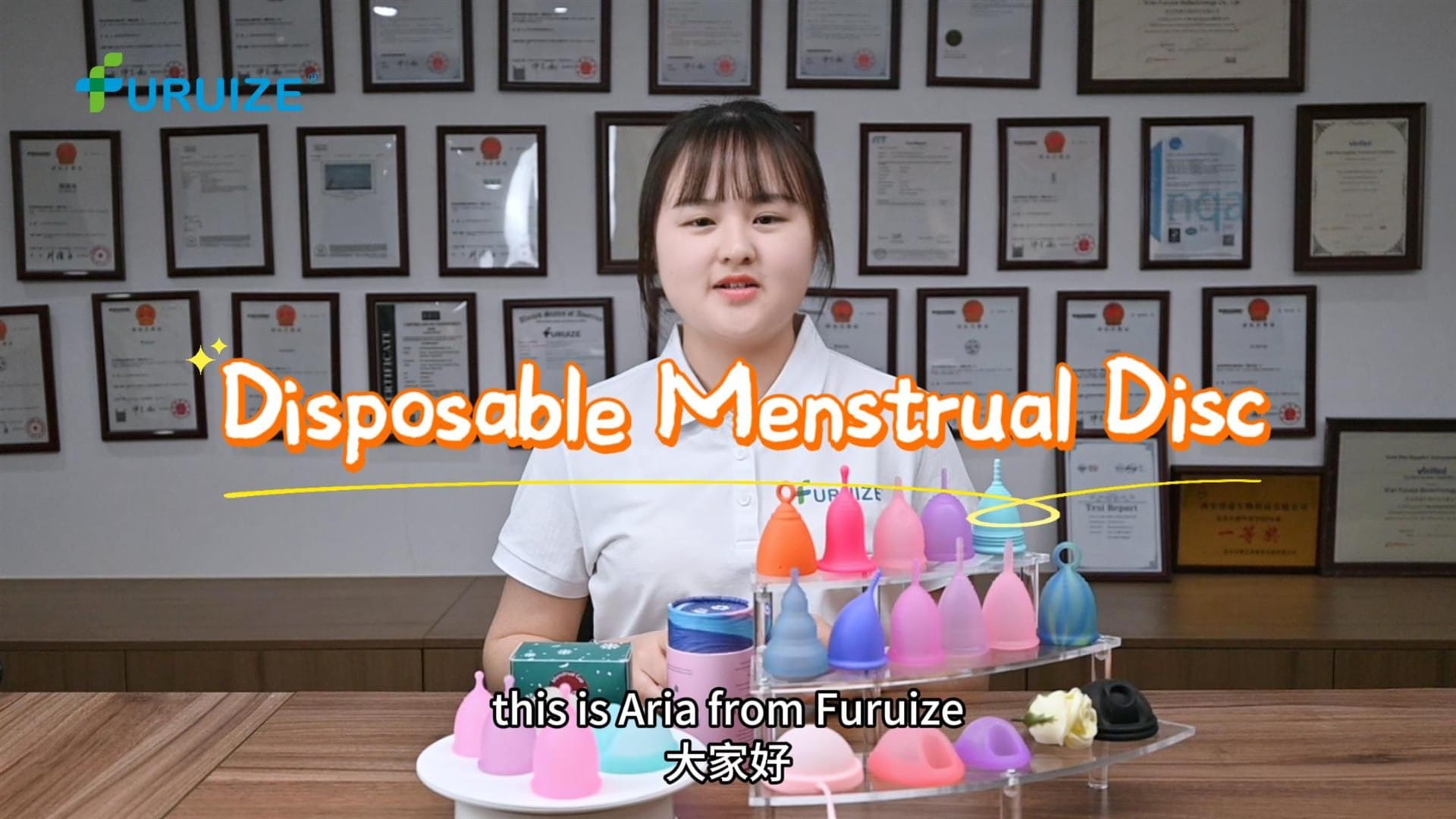
This article is for procurement officers, program managers, and tender writers — not consumer how-to content. Xi’an Furuize Biotechnology Co., Ltd. supplies low cost reusable period cups wholesale to relief and development programs with SGS and ISO 13485 documentation suitable for formal vendor review.
Important: Furuize is an independent manufacturer. We are not a UNICEF-designated supplier. Tender language should cite verifiable certificates and lot testing — not unverified “preferred vendor” claims.
Why NGOs Are Adding Cups to Menstrual Hygiene Kits
Disposable pad programs dominate humanitarian response — but recurring distribution creates cost, waste, and supply-chain dependency. Reusable cups address end period poverty menstrual cup supplier goals when paired with education:
| Factor | Disposable pads (bulk) | Menstrual cup (bulk) |
|---|---|---|
| 5-year unit cost | 60–120 cycles × unit cost | 1 unit + optional spare |
| Logistics weight | High per beneficiary | Low per beneficiary |
| Waste burden | Ongoing landfill / burn | Minimal after distribution |
| Education requirement | Moderate | Higher upfront |
| Water dependency | Lower | Boiling / sterilization access needed |
Cups are not universal replacements — they are high-impact options for beneficiaries with water access, peer educator support, and follow-up channels.
Procurement Specification Template
Use this baseline when writing RFPs or NGO procurement menstrual hygiene kits specs:
| Spec item | Minimum standard | Evidence to request |
|---|---|---|
| Material | 100% medical-grade LSR silicone | COA per lot |
| Biocompatibility | ISO 10993 panel | Full test report index |
| QMS | ISO 13485 manufacturing scope | Valid certificate + scope line |
| Chemical safety | REACH / RoHS or SGS equivalent | Lot-matched third-party report |
| IFU languages | Program languages (e.g. EN, FR, Swahili, Hindi) | Native review before print |
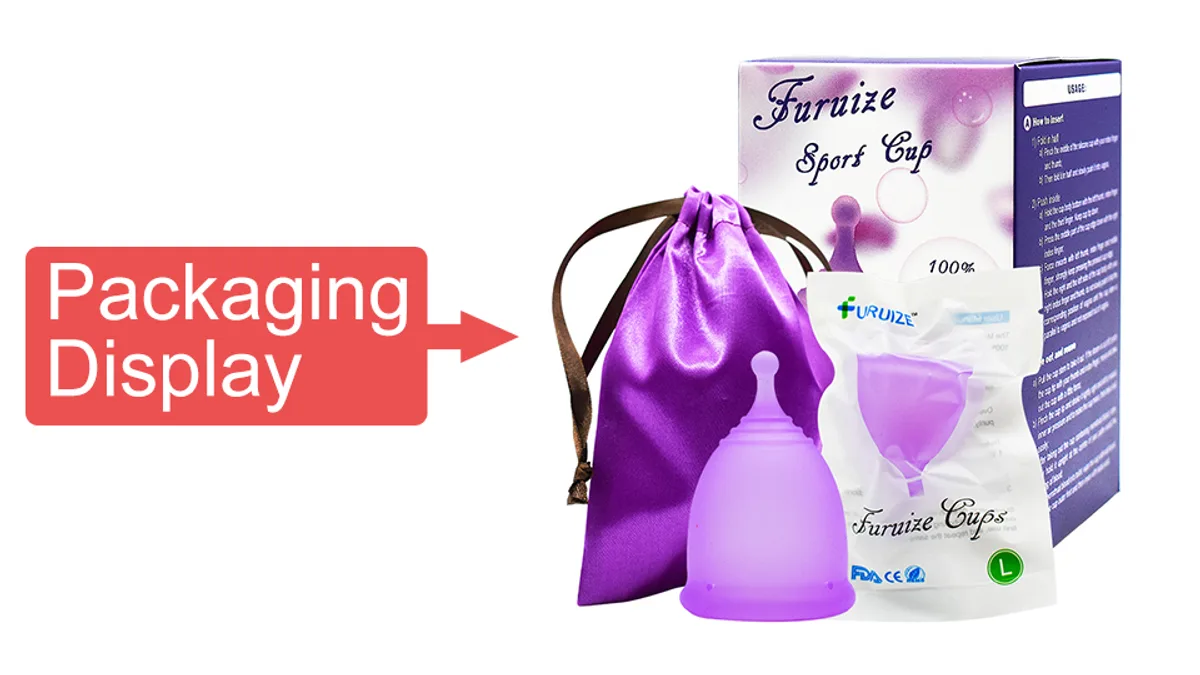
| Packaging | Simple pouch or box; no luxury waste | Dimensions for freight modeling |
| Traceability | Batch/lot coding | For recall and audit |
SGS tested wholesale menstrual cups for relief programs should specify which tests (e.g. volatile organics, heavy metals) — not generic “SGS approved” marketing copy.
Africa Deployment Considerations
Affordable bulk menstrual cups for Africa programs succeed when procurement aligns with field reality:
Logistics and customs
- HS classification — Confirm harmonized code with freight forwarder before budget sign-off; duties vary by country and NGO import status.
- Consolidated air vs sea — Cups are lightweight; education materials and spare parts may drive cube. Model landed cost, not FOB alone.
- In-country storage — Silicone is stable; avoid extreme heat in unventilated warehouses for prolonged periods.
Education and culture
- Partner with local peer educators — insertion training is non-negotiable for acceptance.
- Offer dual-size kits where budget allows to reduce improper fit abandonment.
- Address virginity myth misinformation with medically accurate, culturally sensitive materials — pre-test copy with local advisors.
Water and sterilization
| Setting | Sterilization option | Kit implication |
|---|---|---|
| Urban, reliable boil access | Boiling 5–10 min | Include boil-time pictogram IFU |
| Clinic-adjacent programs | Facility autoclave / boil | Coordinate with clinic schedule |
| Limited fuel settings | Diluted hypochlorite rinse protocols per WHO guidance | IFU must match approved protocol |
| No reliable clean water | Do not distribute cups | Pads or internal alternatives per program assessment |
India Deployment Considerations
Affordable bulk menstrual cups for India tenders often emphasize:
- Price bands — Government and state NGO bids may cap unit cost aggressively. Request tiered pricing at 10k / 50k / 100k+ quantities.
- Multilingual IFU — Hindi, English, and state languages per rollout region.
- Size diversity — Teen and adult sizing; softer durometer options for first-time users.
- Import and Make in India — Clarify country of origin on tender forms; some programs prefer local assembly or labeling — discuss kitting options with factory.
Distribution channels
- School-based programs (age-appropriate consent frameworks)
- ASHA / community health worker networks
- Corporate CSR menstrual hygiene partnerships
- Disaster relief adjacency (cups secondary to immediate pad need)
Unit Economics (Illustrative)
| Order size | Indicative FOB unit range (catalog cup) | Landed cost drivers |
|---|---|---|
| 5,000 | Higher per unit | Air freight, education print |
| 25,000 | Mid tier | Sea LCL, consolidated IFU |
| 100,000+ | Lowest per unit | Full container, localized kitting |
Add 10–15% spare units for training loss and sizing exchanges in program budgets.
Tender Compliance — What to Write (and Avoid)
Acceptable tender language
- “Supplier shall provide ISO 13485 certificate with scope covering menstrual cup manufacturing.”
- “Lot shipment accompanied by ISO 10993 summary and material COA.”
- “SGS or equivalent third-party chemical panel dated within 24 months.”
Avoid unsubstantiated claims
- ❌ “UNICEF-approved supplier” (unless your organization holds a specific, verifiable UNICEF contract — Furuize does not claim this)
- ❌ “FDA-approved factory” without clarifying device vs establishment listing
- ❌ “100% acceptance rate” without pilot data
Search terms like UNICEF menstrual cup tender supplier reflect buyer research — respond with documented compliance, not implied endorsement.
Kit BOM Recommendations
| Kit level | Contents | Use case |
|---|---|---|
| Basic | 1 cup + pouch + pictogram IFU | Large-scale lowest cost |
| Standard | 1 cup + small soap + IFU + educator card | Field programs with WASH partners |
| Dual-size | S + L cups + shared pouch + IFU | Reduce abandonment from poor fit |
| Clinic | Cup + spare + sterilizing pot donation | Facility-linked education |
Pair with menstrual cup catalog specs when defining rim diameter and capacity targets.
Vendor Due Diligence Checklist
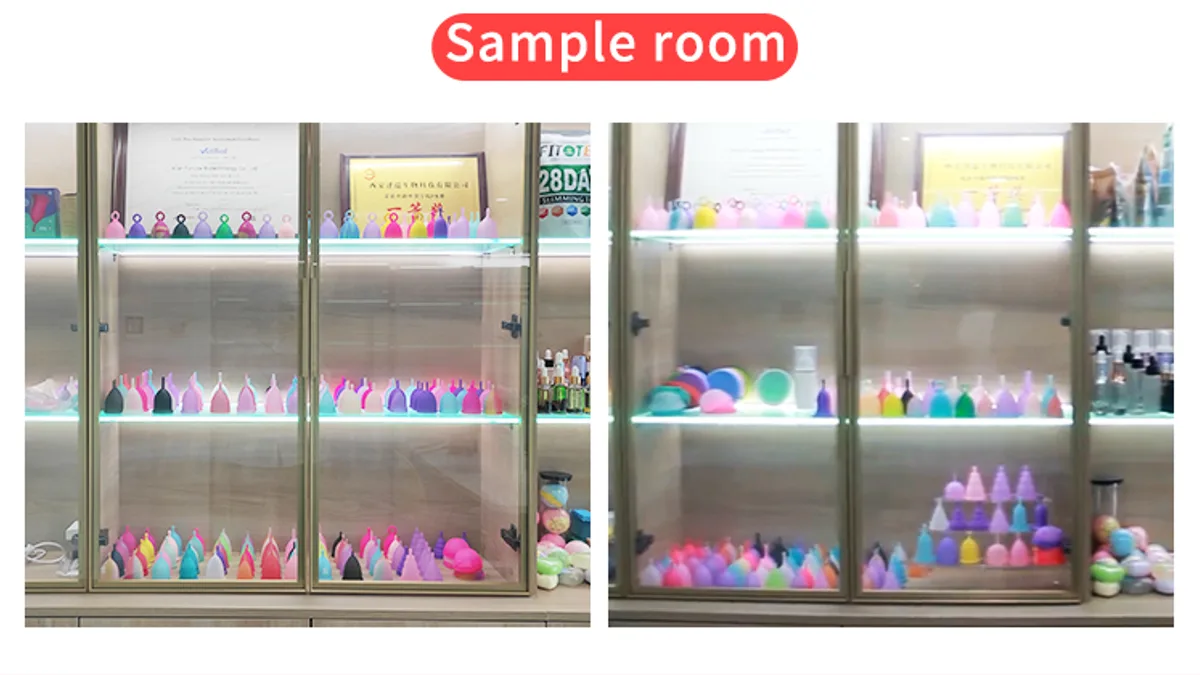
- Factory audit or video tour — Confirm cleanroom discipline, not trading company bait-and-switch.
- Sample evaluation — Durometer, rim finish, stem robustness, pouch stitching.
- Pilot cohort — 200–500 users with follow-up survey before national scale.
- Contract terms — Inspection rights, defect rate CAPA, late-delivery remedies.
- Child safeguarding — If minors are beneficiaries, align distribution policy with national law and NGO policy.
See wholesale programs for volume pricing discussions.
FAQ — NGO & Charity Bulk Procurement
Are menstrual cups appropriate for all relief contexts?
No. Assess water, privacy, education capacity, and cultural context first. Cups complement — rarely replace — emergency pad distribution in acute phase response.
What is the minimum order for a charity pilot?
Factories often support 500–1,000 unit pilot runs at higher per-unit cost. Scale pricing improves at 5,000+.
Can we customize IFU with our NGO logo and local languages?
Yes — budget for translation, medical review, and print MOQ. Digital QR IFU supplements low-literacy settings.
How do we verify SGS reports are authentic?
Request report number, verify directly with SGS, match lot batch to shipment COA.
Does Furuize support UNICEF tenders?
We can supply documented product evidence for tenders your organization submits. We do not represent ourselves as a UNICEF-designated or exclusive supplier.
Next Steps for Program Officers
- Complete field assessment — water, education, cultural fit.
- Draft RFP spec — material, certs, languages, kit BOM, landed cost cap.
- Run pilot — measure continuation rate at 3 and 6 months.
- Scale with tiered PO — lock pricing bands before multi-year programs.
Request NGO bulk pricing, certificate pack, and sample evaluation: Contact Furuize.